Tag: Quality Improvement Plans

  • QI in Action eBulletin #103 – Moving Forward with Quality Improvement in the New Year

    QI in Action eBulletin #103 – Moving Forward with Quality Improvement in the New Year

    In this Issue:

    • Quality Improvement on the Fly & QIPs
    • QI Resources
    • Upcoming Events

    Quality Improvement on the Fly & QIPs

    At this time, teams usually start to plan for their annual QIPs submission. We can expect an update in the upcoming weeks. In the meantime, the QI in PC Council has collaboratively gathered the following information about what initiatives teams led this year and hope to do in the upcoming year.

    Will your team(s) submit a 2021/22 QIPS? Unsure 50%, Yes 50% n=16 QIDSS/QIDSS-like

    Did your team(s) submit a 2020/21 QIPS? Yes 50%, No 18.8%, Some 31.3% n=16 QIDSS/QIDSS-like


    Priorities for 2021/22 QIPS - Unsure 13.5%; 7 day post hospital discharge 16.2%; documented assessment of palliative care needs 16.2%; patient involvement in decisions about care 18.9%; timely access to a primary care provider 18.9% n= 14 QIDSS/QIDSS-like


    Initiatives on the Go:

    • Virtual care adoption for one-on-one visits along with groups & online booking
    • Social Determinants of Health Training for all team members
    • Reconciliation of prevention care data within EMRs
    • Updated patient demographic information within EMRs
    • Regional lung health projects specifically focusing on COPD
    • Increased influenza vaccination – one team vaccinated 90% of their roster
    • Senior wellness initiatives and home blood pressure monitoring

    COVID-19 Member Initiatives Table


    Recognizing that many organizations are very busy with their local COVID efforts, we would anticipate that the 2021/2022 QIPs would have flexibility to allow organizations to reflect what they are doing to manage COVID locally or what they’re doing to maintain services (e.g. tracking access, patient experience, etc.).

    We are continuously capturing these initiatives, in the COVID-19 Member Initiatives Table. If you have an initiative you would like to share, please email improve@afhto.ca!


    Primary Care Patient/Client Virtual Care Experience Survey

    Given what we have seen in the past year with the huge transition to virtual care, this will be a key factor for measuring access to care and patient experience. To aid teams in capturing this experience, please refer to the Primary Care Patient/Client Virtual Care Experience Survey. The survey was created to help fill informational gaps to inform future planning and further support the implementation of virtual care in primary care.

    To help you get started on planning your team’s annual Quality Improvement Initiatives, we have partnered with Choosing Wisely to host a webinar:

    Now is the Time to Choose Wisely: Advancing Quality Improvement in Primary Care  

    January 27, 2021 (12-1 pm EST)

    In this webinar, Dr. Kimberly Wintemute, Primary Co-Lead for Choosing Wisely Canada, and Dr. Peter Kuling, Family Physician at The Ottawa Hospital Academic FHT, provide insights on how to advance resource stewardship and implementation efforts in primary care using Choosing Wisely Canada recommendations and resources.   

    Click here to read more and register.

    QI Resources
    Below are measurement and quality-related tools, resources, slides, and videos. You can flag these emails or bookmark the related posts, so they will be easy to find for future reference.

    Upcoming Events:

    Better Breathing Conference 2021
    January 18 & 22, 2021
    LOCATION: VIRTUAL

    Join the Lung Health Foundation’s Better Breathing Conference! Their conference’s accredited respiratory education programming is 100% free for all Canadian healthcare professionals.

    Click here to register.

    Early ID for Palliative Care: Lessons Learned and Moving Forward
    January 21, 2021 (12-1 pm EST)

    Please join the CoP as they celebrate successes, learn about progress to date on the palliative care indicator, and discuss plans for 2021 to improve palliative care in Ontario.

    Click here to register.

    SCALE Program (Supporting Caregiver Awareness, Learning and Empowerment)
    February 3, 2021 – March 23, 2021

    Back by popular demand, the SCALE Program aims to empower you with practical information and skills to enhance self-awareness with a focus on your own needs and well-being.

    The program consists of:

    • a series of eight weekly webinars
    • online group coaching
    • one-on-one, individualized telephone counselling

    Select just one topic that you are interested in each week or take the entire program – as a caregiver, we understand how valuable your time is and that is why we developed a program to best suit your schedule.

    Click here to learn more and register.

    E-QIP Conference: QI Innovations, Understand – Pivot – Change
    April 13, 2021

    In this one-day virtual conference will offer virtual networking opportunities, poster presentations, concurrent sessions, wellness activities, and more. You will have the opportunity to hear from QI and data experts in mental health and addiction, engage in rich discussions, and ask their experts a lot of questions.

    Click here for more information.

    Interested in sharing your teams’ initiatives in a future webinar? Email Sandeep Gill – Sandeep.gill@afhto.ca to learn more about the AFHTO KTE Webinar Schedule!

    In Case You Missed It: Check out eBulletin #102 or other back issues here!
    Questions? Comments? Contact us at improve@afhto.ca.
     

  • Bits & Pieces: how Lakelands FHT handled COVID-19, Business Continuity Toolkit now available & more

    Bits & Pieces: how Lakelands FHT handled COVID-19, Business Continuity Toolkit now available & more

    Your Weekly News & Updates


    In This Issue  
    • How Lakelands FHT handled a positive COVID-19 result at their clinic
    • COVID-19 provincial testing guidance update and more
    • Business continuity toolkit for COVID-19 now available
    • Advance Care Planning Day (April 16): Approach to Goals of Care Conversations
    • Member renewal payments- accepting payments via Interac and EFT
    • Update on the 2020/21 QIP submission deadline
    • Upcoming events including CMHA Ontario and Mental Health Works Webinars – In response to COVID-19 pandemic

    How Lakelands FHT handled a positive COVID-19 result at their clinic
    “In late March, Lakelands FHT discovered that there was a positive case at our Northbrook site. That resulted in the immediate closure of our building.

    We all had to go home and finish 14-day periods of self-isolation. To our surprise, this meant having to distance ourselves from our own families, which was very difficult.”– Dr. Matt Dumas, Lead Physician, Lakelands FHT

    Find out more on our site.


    COVID-19 provincial testing guidance update and more
    The Ministry released a COVID-19 provincial testing guidance update as of Apr. 8. Also last week, we created a page Providing Comprehensive Care During COVID-19 which includes resources related to COVID-19 for providing comprehensive primary care.

    We continue to update several pages on our site with resources and news:

    We’ll update these on a regular basis as we receive relevant resources, while trying to reduce duplication with other sources. We will continue to update the news page daily.


    Business continuity toolkit for COVID-19


    Business continuity toolkit for COVID-19 now available

    On Thursday, April 9 we launched our business continuity toolkit, developed to help our teams plan for and adapt to the disruption of COVID-19. It can potentially be used for future pandemic disruptions as well.

    Within the toolkit you will find tools and resources to help develop a plan for your own organization. A reminder to check the AFHTO website for templates your colleagues have developed if you are looking for tools you can adapt. Please also send us any materials you are developing so we can share with your colleagues as well.


    Advance Care Planning Day (April 16): Approach to Goals of Care Conversations
    Health can change without warning. That is more evident than ever in the COVID-19 reality.
    We all need to help patients, their families and our health care providers have conversations that will lead to the care people need and want, reflecting their values and wishes.

    HPCO, in collaboration with Speak Up Ontario, has been hosting a series of Physician Forums around goals of care and advance care planning for healthy and high-risk patients. Last week they hosted a Physician Forum entitled, “Conversations with your Patients during COVID Pandemic”. You can access all recordings (both past and present) using this link.

    On National Advance Care Planning Day (April 16th) they will be co-hosting a Palliative Care and COVID-19 Forum on Approach to Goals of Care Conversations with the Ontario Medical Association from 7:00 – 8:30 p.m. Your feedback on the forum and recommendations for future webinar topics that you would like to see covered are welcome here.


    Member renewal payments- accepting payments via Interac and EFT
    As we mentioned several weeks ago, we understand members are focused on COVID-19 right now. Last week Ontario extended the state of emergency until April 23 and our building remains closed. If you plan to pay by cheque, please continue to hold.

    However, we can still accept payments via Interac and EFT. We’ll provide another update as soon as we’re able to do so. Please contact info@afhto.ca for further information.


    Update on the 2020/21 QIP submission deadline
    Ontario Health (Quality) has decided to pause the 2020/21 QIP submission for now to allow organizations to focus their efforts on supporting their staff, their health care providers, and their communities to manage the treatment and containment of COVID-19.

    If your QIP is near completion and you would like to submit, please proceed, as the QIP Navigator will remain open. They will continue to monitor this situation closely and will provide an update by the end of June. Please contact QIP@hqontario.ca if you have any questions or concerns.


    CMHA Ontario and Mental Health Works Webinars – In response to COVID-19 pandemic, April 15-21, 2020
    For health care professionals and workers: with topics relevant to both hospitals and clinics, as well as telehealth professionals and those who work to support patient outcomes, such as custodial staff, security professionals, and administrators.

    1.    Mental Health for TelehealthApril 15, 6-7 pm
    2.    Mental Health for Support Staff: Taking Care of YourselfApril 17, 6-7 pm

    General Workplace Supports:
    3.  Being Mindful at Work (office and from home) April 17, 10 – 11 AM; (FR) April 22, 1 pm
    4.  Isolation and LonelinessApril 21, 12 – 1 pm


    ECHO Coping with COVID, April 15 & 17, 2020
    These weekly webinars are for healthcare providers responding to the COVID-19 pandemic to share and learn about ways to build resilience and overall wellness. Learn more here.


    Understanding Bronchiectasis Webinar, April 21, 2020
    Learn more about this neglected pulmonary disease. By the end of this webinar, you will be able to help patients self-manage the disease and avoid the acquisition of nontuberculosis mycobacteria. Find out more here


    The COVID-19 Pivots: April 15 & 16, 2020
    Jon the upcoming CFPC COVID-19 Pivot webinars: Le virage COVID-19 : Adapter la pratique de médecine de famille aux soins virtuels on April 15, and Examining public health campaigns in the pandemic battle on April 16. Find the webinar links here.


    Person-Centered Decision-Making Conversations Webinar, April 16, 2020
    Gain awareness for Person-Centred Decision Making (PCDM) components and more with the Palliative Care CoP.  Find out more here


    When Video Isn’t an Option: Counselling via E-mail Chat and Phone, April 20, 2020
    Learn how to maximize your text and phone-based counselling methods in this online training, hosted by the OASW. Learn more here.

  • QI in Action eBulletin #93: Change Ideas for Quality Improvement Plans

    In this issue


    • Quality Improvement Plan (QIP) Priority Indicators
    • 7 Day Post Hospital Discharge Follow Up
    • Same Day & Next Day Appointments
    • Involving Patients in Decisions About Their Care and Treatment
    • Identifying Patients for Palliative Care who Subsequently have their Palliative Care needs Assessed using a Comprehensive and Holistic Assessment
    • Non-Palliative Patients Newly Dispensed an Opioid
    • Resources
    • Upcoming Webinars   

    Quality Improvement Plan (QIP) Priority Indicators

    On November 27, 2019 the 2020/21 Quality Improvement Plans (QIPs) were launched. The priorities that will guide quality improvement efforts over the coming year remain similar as last year. Please see the following resources for specifics on the priority indicators:

    To help you plan this year’s change ideas, please see initiatives other teams have taken within their 2019/2020 QIPs for each priority indicator:  

    Percentage of those hospital discharges (any condition) where timely (within 48 hours) notification was received, for which follow-up was done (by any mode, any clinician) within 7 days of discharge


    • Aurora-Newmarket FHT will be collaborating with the local hospital to book post hospital appointments prior to the patient’s discharge
    • City of Lakes FHT will pilot integrating a tool to identify patients at risk for readmission
    • East Elgin FHT will be introducing coordinated care plans at follow up appointments
    • Petawawa Centennial FHT will be checking the local hospital’s database for discharge reports
    • Summerville FHT will be working with partners to develop a portal and educational materials
    • Sunset Country FHT will be collaborating with the local hospital to connect unrostered patients seeking primary care services at a hospital with a primary care physician
    • Teams are conducting medication reconciliations for patients discharged from the hospital
    • Teams have RNs performing telephone follow-ups with patients or are printing out a list of patients discharged daily for providers

    Percentage of patients and clients able to see a doctor or nurse practitioner on the same day or next day, when needed
    Teams are:

    • Adding additional survey questions to better understand access
      • Credit Valley FHT is creating an Access Survey to create a patient focus group to understand what access means to patients
    • Blocking times within NP/MD Schedules for same day/next day acute appointments
    • Analyzing appointment availability data
    • Offering after-hour clinics
      • Lakehead NPLC will expand office hours to include more evening and weekend hours and open walk-in access six days a week
    • Offering e-visits and expanding e-booking of appointment

    Percent of patients who stated that when they see the doctor or nurse practitioner, they or someone else in the office (always/often) involve them as much as they want to be in decisions about their care and treatment

    • Survey Completion Targets
      • Teams administer the survey upon the completion of programs
      • Teams have set weekly, monthly, quarterly and/or annual targets
      • Grandview FHT will be developing an EMR search to query patients that have had a visit in the last 4 weeks to request targeted survey feedback
      • Smithville FHT will incentivize patients and staff to meet survey completion targets
      • Windsor FHT is creating pre and post surveys for their Team Care Centre
    • Modes of Communication
      • Teams survey patients via tablets, kiosks, website, paper surveys, emails, patient portals, patient feedback cards, newsletters and social media
      • Carefirst FHT will have posters in their waiting room in different languages
      • Guelph FHT will encourage patient centered goal setting across disciplines through standardized prompts in charting tools
      • Harbourview FHT will be creating patient self-management resources
      • Kincardine FHT will have Patient Navigator Volunteers that will help with way-finding questions and encourage the completion of surveys
      • North Shore FHT will be developing an introductory handout for locums to highlight their commitment to patient centred care
    • Sharing Survey Results
      • Teams accumulate survey results to present at team meetings and/or to patients
        • Belleville NPLC will have open discussions at huddles and team meetings around including patients in decisions about their care
      • University of Ottawa Health Services FHT will have a dedicated Survey Working Group to analyze survey results and make recommendations for improvement
    • Patient Advisory Committees
      • Bridgepoint FHT will draft letters to recruit patients to participate in the Patient Advisory Committee

    Proportion of patients with a progressive, life-limiting illness who were identified to benefit from palliative care who subsequently have their palliative care needs assessed using a comprehensive and holistic assessment

    • Carefirst FHT intends to introduce the Palliative Performance Scale (PPS) assessment for their complex patients in the INTEGRATE program
    • Mount Forest FHT, in partnership with eHealth Centre of Excellence (eCE), will contact patients who have been identified in the EMR as having 4 or more chronic conditions and/or have had 4 or more emergency room visits in the past 6 months and invite them to engage in developing a coordinated care plan
    • Teams are implementing the use of the Palliative Toolbar created by eCE
    • Teams are providing advanced care education for providers
    • Teams are developing and implementing standardized identification methods within EMRs
      • Great Northern FHT will be incorporating the surprise question “Would you be surprised if patient were to die next year?” within their workflow
      • St. Joseph’s Urban FHT plans to create a list of diagnoses that capture the diseases that are potentially progressive and life threatening from our patient population. From this group of patients, they will determine palliative status using a possible prognosis of less than 1 year.

    Percentage of non-palliative patients newly dispensed an opioid within a 6-month reporting period prescribed by any provider in the health care system within a 6-month reporting period

    • Identification of patients on opioids:
      • Bancroft FHT will implement a Rural Outpatient Opioid Treatment Program
      • Brockton and Area FHT will incorporate the review of hospital discharge opioid prescriptions as part of their Medication Reconciliation Program
      • Chapleau and District FHT will implement a telepharmacist-led opioid stewardship program
      • Lakehead NPLC will be using a standardized approach to safe prescribing in which patients will have a risk assessment tool, pain assessment tool and treatment agreement completed
      • Nipigon District FHT will implement the HARMS program developed by Marathon FHT
      • Petawawa Centennial FHT will increase the number of opioid contracts completed and plan a process to follow up with patients prescribed an opioid
      • St. Michael’s Hospital Academic FHT will collaborate with St. Michael’s Hospital departments to develop patient-oriented discharge plans for opioid taper when initiated in hospital
      • Thamesview FHT will implement a cannabinoid program focusing on the reduction of polypharmacy
      • Wawa FHT will participate in a RAAM clinic with other community agencies
      • Teams are working on developing queries to identify patients
    • Pain Management Programs:
      • Alliston FHT will be performing a falls risk assessment of all patients in the geriatric program
      • Dufferin Area FHT will continue to offer the Power Over Pain group and individual appointments
      • Hanover FHT will review a rehab plan after joint replacement surgeries
      • Powassan and Area FHT will offer patients a mindfulness for chronic pain program
    • Increase physician sign up for MyPractice reports
    • Increase Opioid Toolbar Use
    • Teams are focusing on education and awareness for patients and providers:
      • Exploring professional development opportunities for providers to educate on pain management programs and/or opioid prescribing
      • Post-operative pain management handouts for patients

    To learn more about the initiatives listed above please email improve@afhto.ca.

    Resources:

    Upcoming Webinars:


    In Case You Missed It: Check out eBulletin #92 or other back issues here!
    Questions? Comments? Contact us at improve@afhto.ca.
  • Bits & Pieces: Mississauga and Hamilton OHTs announced, Clinton & North Perth FHTs accredited & more

    Bits & Pieces: Mississauga and Hamilton OHTs announced, Clinton & North Perth FHTs accredited & more

    Your Weekly News & Updates


    In This Issue  
    • Mississauga and Hamilton OHTs announced
    • Clinton, North Perth FHTs and others accredited with commendation
    • 2020/21 Quality Improvement Plans launched
    • Registration open for Project ECHO Ontario Bariatric Network Series starting January 2020
    • Upcoming events on virtual care and more

    Mississauga and Hamilton OHTs announced
    On Nov. 25, 2019, Christine Elliott, Deputy Premier and Minister of Health, announced the Mississauga Ontario Health Team, known as Mississauga Health, as one of the first teams in the province. AFHTO members in Mississauga Health are Credit Valley FHT, CarePoint Health and Summerville FHTRead more here.

    And today she announced the Hamilton Ontario Health Team, known as the Hamilton Health Team.  AFHTO members are Hamilton and McMaster FHTs. Read more here.

    Over the next few weeks, the Ministry will be rolling out 24 OHTs across the province. To stay up to date we encourage you to subscribe to the Connected Care Updates.

    And please let AFHTO know if your OHT is being announced and share any media announcements so that we can spread the word.  


    Clinton, North Perth FHTs and others accredited with commendation

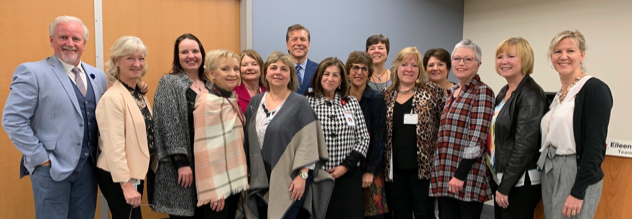
    Representatives from the Huron Perth Sub-Region Accreditation Prototype

    Clinton FHT and North Perth FHT were part of the Huron Perth Sub-Region Accreditation Prototype (HPSAP) that was accredited by Accreditation Canada the week of Oct 21st, 2019. They were awarded Accredited with Commendation. The focus was system improvement and standardization of service delivery. Read the report here.


    2020/21 Quality Improvement Plans launched
    Health Quality Ontario (HQO) has launched the priorities for the 2020/21 Quality Improvement Plans (QIPs).

    The 2019/20 QIPs prioritized three core themes: timely and efficient transitions, service excellence, and safe and effective care. Only minor changes to the QIP priorities were made for 2020/21. QIPs will continue to be submitted by individual organizations to Health Quality Ontario (soon to become part of Ontario Health) and will be due by April 1, 2020. Find out more here.


    ECHO Bariatric

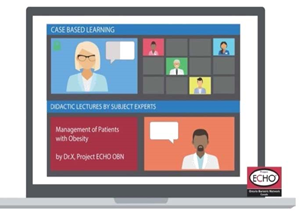
    Registration open for Project ECHO Ontario Bariatric Network Series starting January 2020
    Do you know how to work with your patients with obesity who have received specialty care from a Bariatric Centre of Excellence?

    Build clinical expertise by joining one of project ECHO’s series of sessions to discuss patient cases and learn about leading surgical and medical treatment options for patients with obesity, strategies to identify and prevent potential post-operative complications after bariatric surgery as well as tools and resources to assist you in the management of these patients.

    For more information and to register visit their site.


    The Digital Health Toolbox: Enabling High-Performance Teams In The Delivery Of Integrated, Patient-Centred Care Webinar, Nov. 28, 2019
    Learn how to implement digital health tools within your teams after participating in this webinar co-hosted by AFHTO and the eHealth Centre of Excellence (eCE). Register today!


    Internet-Delivered Cognitive Behavioural Therapy For Major Depression And Anxiety Disorders, Nov. 27, 2019
    Join CADTH and HQO for a webinar on accessing mental health support outside of a therapist’s office. Register to attend in-person or online. Learn more here.


    NPAO MAID Workshop Toronto, Dec. 4, 2019
    Join this free, accredited, all day workshop on MAID, held by NPAO in Toronto. Learn more here.


    Increasing Access To Patients Through Virtual Care Visits Webinar, Dec. 10, 2019
    Listen to the Minto Mapleton and Peterborough FHTs share how they integrated digital health tools in their programs. Register now!

  • Annual Priorities for the 2020/21 Quality Improvement Plans

    Health Quality Ontario (HQO) has launched the priorities for the 2020/21 Quality Improvement Plans (QIPs).

     
    The 2019/20 QIPs prioritized three core themes: timely and efficient transitions, service excellence, and safe and effective care. These themes remain key priorities and align with the Quadruple Aim of improving the patient and caregiver experience, improving the health of populations, reducing the per-capita cost of health care, and improving the work life of providers. These themes are also consistent with the priorities of the Ministry of Health and the Ministry of Long-Term Care.

    Therefore, only minor changes were made to the QIP priorities for 2020/21. QIPs will continue to be submitted by individual organizations to Health Quality Ontario (soon to become part of Ontario Health) and will be due by April 1, 2020.

    Annual Planning Materials:

  • 2019/20 Quality Improvement Plans available

    In April Health Quality Ontario received 1,024 Quality Improvement Plans (QIPs) from hospitals, primary care organizations, long-term care homes, and LHIN home and community care services across Ontario. All of the 2019/20 QIPs are now available on QIP Navigator.

    You can use the Download QIPs tool to download the full QIP of any organization, or use the Query QIPs tool to search all submitted QIPs for a key word or indicator of interest. These tools are a great way to find out what organizations in your area are working on this year or read about the lessons organizations have learned during their efforts to address the key quality issues targeted by the QIPs.

    Another source for ideas and inspiration is Quorum, Health Quality Ontario’s health care quality improvement community. You can browse the new Indicators & Change Ideas page to explore and comment on approaches to improvement for this year’s QIP indicators, or search for the QIP tag to read spotlight stories and interviews related to the QIPs.

    It’s clear from initial observations on the 2019/20 QIPs that organizations are focusing their efforts on the three critical themes of timely and efficient transitions, service excellence, and safe and effective care. If you or your team have any questions about the QIPs or about Health Quality Ontario’s quality improvement resources, please contact QIP@HQOntario.ca.

  • Help for Your 2018 QIPs

    A Quality Improvement Plan (QIP) is “a public commitment to meet quality improvement goals. By developing a QIP, an organization outlines how they will address improving the quality of care it provides to its patients, residents or clients.” Health care organizations in Ontario are required to submit a QIP to Health Quality Ontario (HQO) by April 1st. QIPs are to be submitted online, using the QIP Navigator on HQO’s website. The resources below from HQO, AFHTO, our partners and members can help make the process easier.

    Priority Issues for 2018-19

    Each year, HQO identifies several priority issues – areas that urgently require improvement – for the system to work together on – in their Annual QIP Memo. For 2018-19, these issues are workplace violence prevention and the impact of opioids in Ontario.

    NOTE: They are not required, but it is expected that organizations assess their performance on these indicators, and […] strongly consider these indicators for inclusion in their QIP. If organizations choose not to include a priority indicator, they should provide this rationale in the comments section only. [QIP Guidance Document, pp. 11-12]

    Workplace Violence Prevention

    New question in the QIP Narrative: Please describe how workplace violence prevention is a strategic priority for your organization. For example, is it included in your strategic plan or do you report on it to your board?

    HQO has developed a guidance document to help you answer this question. You might also want to review their report on how teams addressed this question in last year’s QIPs. You might also consider drawing from the following resources:

    Impact of Opioids

    New question in the QIP narrative: Describe what steps your organization is taking to support the effective treatment of pain, including reviewing opioid prescribing practices and promoting alternatives to opioids. Think about access to addiction services, social services, (sub) populations, etc.

    Consider using these resources to help you develop a plan to lessen the impact of opioids on your patients

    Some AFHTO members are already doing important work to reduce their patients’ need for opiates. Consider reaching out to these teams to find out if what they’re doing might work in your setting.

    New recommended indicator for 2018-19: Diabetic foot ulcer risk assessment

    Indicator Description (from the QIP Technical Specifications for 2018-19): Percentage of patients with diabetes, age 18 or over, who have had a diabetic foot ulcer risk assessment using a standard, validated tool within the past 12 months.

    • Inlow’s 60-second diabetic foot-screening tool was developed by the Canadian Association of Wound Care. The assessment is comprised of 12 parameters and is divided into three categories – Look, Touch, and Assess. The assessment is usually performed by an RN or an RPN with certification in foot care.
    • This screening tool is available as a custom form for TELUS PS Suite – developed by Denis Tsang, a registered dietitian at CareFirst FHT.
    • The tool is also available for Accuro, from the publisher (accessible directly from within your EMR).

    More QIP Resources from HQO

    HQO has many resources to help you with your QIPs.

    Data to Decisions (D2D)

    With D2D 5.1 right around the corner (submission platform will be open from January 11th through February 8th, 2018), there’s no better time to remind you that you can use your D2D data to help you choose areas for improvement. Remember that although teams are required to submit a QIP, the content of the QIP is up to the team. By reviewing your D2D interactive report with your team, you can work together to identify areas where there is room for improvement on indicators that matter to you and your patients.

  • Help for your 2017 QIPs

    All primary care teams are required to submit a Quality Improvement Plan (QIP) for the 2017-2018 fiscal year by April 1, using the QIP Navigator from Health Quality Ontario (HQO). As always, there are suggested/recommended indicators and priority areas for you to focus on.  If these are relevant for your team, feel free to incorporate them into your QIP. If there are other indicators (or even other definitions) that are more meaningful for your team, you should include them OR add them to the suggested indicators. Remember that teams are required to submit a QIP but the content of the QIP is up to the team: “If organizations choose not to include a priority indicator, they should provide this rationale in the comments section only” (QIP Guidance, pg 10). An example of rationale might be: Our team finds our alternative indicator (or definition) to be a more meaningful measure of [priority area] and has been tracking it internally and/or via D2D or other reporting process.

    Time-saver tip

    Consider using the D2D indicators in your QIP, assuming they are meaningful to your team. This will save you time and effort to capture different sets of data for both reports. You will see that this alignment is already starting to happen with the inclusion of the D2D definition for “follow-up after hospitalization” added to the HQO list this year.

    QIP tools from HQO

    Along with the  2017-18 QIP Navigator, HQO has released a number of tools to support you in your QIP development, including a QIP Guidance Document and 2017-18 QIP Indicator Technical Specifications. Feeling lost? Get oriented with HQO’s QIP Education and Navigator training sessions running from December 5 to 21.

    Addressing the Equity Question

    HQO has introduced an open-ended question in this year’s QIP about what steps your team is taking to address health equity. This free decision-support toolkit can help you get started on a plan to address the social determinants of health in your team’s practice.

  • QIP Analyses: Insights into Quality Improvement

    Each year, Health Quality Ontario (HQO) produces Insights into Quality Improvement, this report highlights exceptional change ideas, emerging trends, and lessons learned from the previous year’s QIPs that can help organizations as they develop their yearly QI initiatives. The summary reports on Primary Care QIPs are available here:

    Additional resources for developing QIPs are posted on the Primary Care Quality Improvement Plans Webpage. Quality Improvement Plans are due to HQO on April 1st each year. If you or your team have any questions about the QIPs or about Health Quality Ontario’s quality improvement resources, please contact QIP@HQOntario.ca.

  • CCO Cancer Screening & Advance Care Planning QI Toolkits

    Cancer Care Ontario is pleased to share two updated Quality Improvement Toolkits. These resources have been developed to support Ontario’s inter-professional, team-based primary care organizations with their annual Quality Improvement Plans (QIPs), which are due to Health Quality Ontario by April 1st. Cancer Screening Quality Improvement Toolkit

    • This toolkit has been developed to assist primary care providers in planning, implementing, monitoring and reporting on improvements in colorectal, cervical and breast cancer screening
    • Cervical and colorectal cancer screening have been identified as priority indicators for the 2016/2017 QIP cycle
    • The toolkit includes: 1) instructions; 2) a measurement, tracking and evaluation tool; and 3) a patient tracking tool

    Advance Care Planning Quality Improvement Toolkit

    • Family physicians and other primary care providers are ideally positioned to initiate Advance Care Planning (ACP) conversations, and there are numerous benefits to incorporating ACP into primary care practices
    • This updated toolkit reinforces its connection to the Health Care Consent Act and ensures alignment with Ontario’s legal landscape

    Where can I find the Quality Improvement Toolkits? The toolkits and supporting resources are available for downloading at cancercare.on.ca/pcresources. Questions/suggestions? If you have any questions or suggestions about the cancer screening toolkit, please send them to screenforlife@cancercare.on.ca or call 1-866-662-9233. For questions or suggestions about the ACP toolkit, please send them to Tara.Walton@cancercare.on.ca. We encourage you to use these toolkits as part of your quality improvement planning and share these resources with your networks.