Blog

  • Bits & Pieces: members’ COVID-19 initiatives, updated case definition & more

    Bits & Pieces: members’ COVID-19 initiatives, updated case definition & more

    Your Weekly News & Updates


    In This Issue  
    • ICYMI- members’ COVID-19 initiatives and vulnerable patient outreach queries
    • World Family Doctor Day
    • Videos for the pandemic from Niagara North FHT for patients and providers
    • Members’ stories
    • Updated case definition, symptom, and screening documents for COVID-19
    • Call for abstracts- Virtual ADHD Research Day
    • Upcoming events including Virtual Visits- Beginning to End and more

    ICYMI- members’ COVID-19 initiatives and vulnerable patient outreach queries

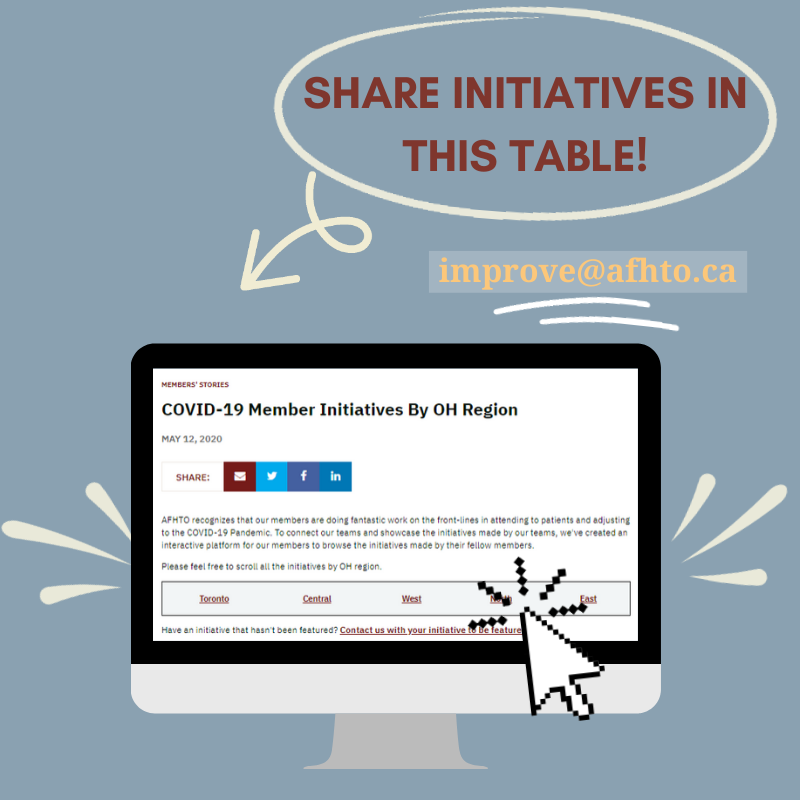
    Last week we released a table highlighting members’ innovations in care in response to the current pandemic, organized by Ontario Health regions. If your team isn’t there, please email improve@afhto.ca to share your work.

    We also published QIDSS and QIDSS-like folks’ queries and scripts to help identify vulnerable, isolated, and high-risk patients, and virtual care resources. Read the QI in Action eBulletin here.


    World Family Doctor Day

    Today’s World Family Doctor Day so we celebrate all family physicians and residents affiliated with primary care teams. Thank you for your leadership, dedication, and resilience especially as we face this once-in-a-lifetime pandemic.


    Videos for the pandemic from Niagara North FHT for patients and providers

    Videos for the pandemic from Niagara North FHT for patients and providers

    Niagara North FHT’s registered dietitian Melissa Dunlop and Dr. Brian Kerley teamed up to produce several YouTube videos that may prove useful for your patients:


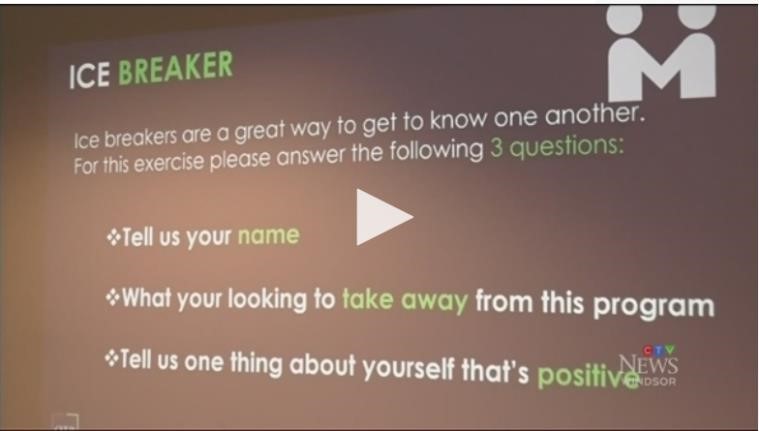
    Windsor Team Care Centre’s substance abuse services

    Members’ stories

    Brockton and Kincardine Area, Hanover FHTs: Local health care organizations work to address long term care COVID-10 crisis
     

    Georgian Bay FHT: COVID-19 testing complete at three local nursing homes
     

    Powassan & Area FHT: COVID-19 outreach team finishes Long Term Health Care Home testing
     

    Windsor FHT: New virtual substance abuse program launched in Windsor-Essex


    Updated case definition, symptom, and screening documents for COVID-19

    Last week the government released an updated case definition and reference document for symptoms. They also provided the following:

    We continue to update several pages on our site with resources and news:

    We’ll update these on a regular basis as we receive relevant resources, while trying to reduce duplication with other sources. We will continue to update the news page daily.


    Call for abstracts- Virtual ADHD Research Day

    Submit your abstract to present at Canadian ADHD Resource Alliance’s Virtual ADHD Research Day on October 23. The deadline is June 8th.

    Student/trainee awards available:

    • Kids Brain Health Network (KBHN) Junior Researcher Awards of $300 each (10 available)
    • KBHN/CADDRA ADHD Research Day Registration Awards (complimentary registration will be presented to the 40 top ranked student oral/poster submissions)
    • CADDRA Poster Awards of $150 each (two available, junior presenters only)

    Click here for submission guidelines.

    Submit your abstract here: caddra.societyconference.com


    Virtual Visits- Beginning to End, May 20, 2020

    Join AFHTO for our highly anticipated webinar on virtual visits. Panelists from Scarborough, East Wellington, Hamilton and West Carleton FHTs share their virtual visit tips- from start to finish. Register today!


    Choosing Wisely – Canada’s National Meeting, May 26, 2020
    The Virtual National Meeting will bring together health professionals, patients, system leaders, and researchers from across the country to discuss and engage in topics related to overuse in health care. Learn more here.


    Meeting Social Needs in an Integrated Health System: Social Prescribing During COVID-19 and Beyond, May 27, 2020

    The Alliance for Healthier Communities has made their social prescribing meeting virtual. Join the conversation around integrating healthcare and social supports. Learn more here.


    Asthma Action Plans: Keeping Asthma Under Control (Especially In The Virtual World), May 27, 2020
    Join this talk held by Dr. Gupta on asthma action plans in a virtual environment. Learn more here.


    ECHO Evening Series on Cannabis and Pain, June 8-22, 2020

    Free online sessions open to all healthcare providers:

    Session Times and Topics
    All sessions are 6:30-8:00PM

    • June 8, 2020 -Cannabis: Working & Driving  
    • June 15, 2020 – Trends in Cannabis Research
    • June 22, 2020- Cannabis Use Disorder: Signs & Symptoms  

    Find out more.

  • East GTA FHT Nurse Practitioner wins Nursing Now Award

    Published May 12, 2020

    Written by RNAO

    To celebrate the contributions made by nurses to nursing practice and the health and well-being of Ontarians, the Nursing Now Ontario Awards honoured one NP, RN and RPN during Nursing Week 2020 (May 11 – 17).

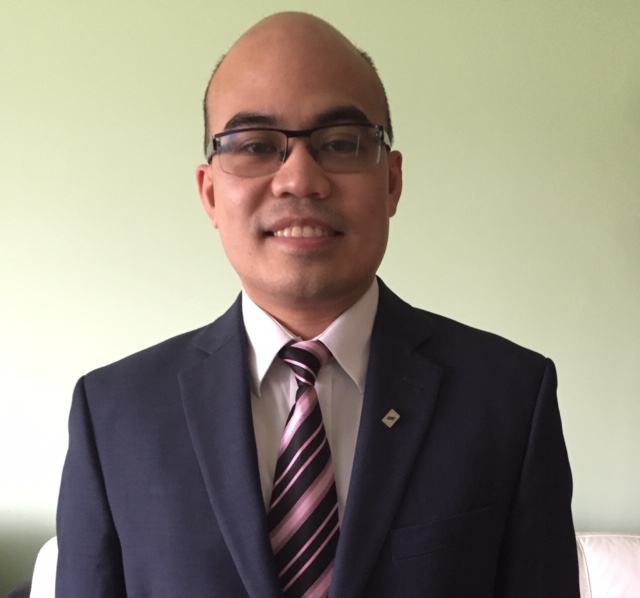
    Nurse Practitioner Award Recipient: Michael Borja
    As a primary care NP for four years, Michael Borja has made a huge difference for his patients and nursing colleagues in just a short time. Currently in his role as a primary care NP for the East GTA Family Health Team in Scarborough, he helps care for seniors and mentors colleagues in clinical assessments, management of chronic illness and program planning.

    In July 2017, he pioneered the Home To Stay (HTS) NP-led program for medically complex seniors where instead of seniors having to come to the clinic, NPs provided home visits, follow-up phone calls, care coordination and community referral. As a result, there were fewer ER visits, increased patient satisfaction and savings of $627,000 per year on top of improvement in patient/family quality of life. In 2017, Michael expanded the HTS program to include a palliative component where patients can receive palliative care at home.

    When Michael is not busy caring for clients, he likes to spend time with his family and volunteer for his Christian Church. In three to five years, he looks forward to continuing his role as an NP in geriatrics and palliative care. 

    Click here to watch the awards ceremony 

  • QI in Action eBulletin #97: Quality Improvement on the Go

    QI in Action eBulletin #97: Quality Improvement on the Go

    In this Issue:

    • Team Based Care Supporting Patient Communities Through COVID-19

    • Quality Improvement in Primary Care Council Updates

    • Primary Care Practice Reports

    • Upcoming Webinars

    COVID-19 Member initiatives table


    Team-Based Care Supporting Patient Communities Through COVID-19
    Primary care continues to step up and ensure our patients get the care they need. From the beginning of this pandemic to now as the province transitions to re-opening services, teams have rapidly been adapting to change. It is important that teams’ innovative initiatives are shared as they continue to do quality improvement initiatives on the go. To facilitate this sharing, we have created a table highlighting the great work teams are doing!

    Email us at improve@afhto.ca to share what your team is doing. You may be featured in an upcoming webinar!


    Quality Improvement in Primary Care Council Updates

    With rapid change comes QI on the go. QI in PC Council members are helping teams adapt to these rapid changes. With an increased urgency to connect with vulnerable, isolated, and high-risk patients during this challenging time, QIDSS and QIDSS-like folks have created queries to help identify who these patients are.

    • Barrie and Community FHT has created a script that teams can use to reach out to their patients.
    • Sudbury District NPLCs has created a script and documentation for Accuro which can be found here.
    • City of Lakes FHT has created a Telus PS Encounter Assist, Screen Tool and Script that can be found here.

    QI in PC Council members have also started two working groups to address important areas during COVID-19:

    • Let’s Measure the Impact of Primary Care during COVID-19 Working Group will be specifically focusing on standardizing patient and provider experience survey questions for primary care.
    • Standardized Queries for Chronic Diseases & High-Risk Patients Working Group will help identify standardized queries to identify patients with chronic diseases and at a high-risk.

    QI in PC Council members continue to support teams with the rapid transition to virtual care. Some of the resources council members and AFHTO have created are:

    Primary Care Practice Reports

    The MyPractice: Primary Care Family Health Team report is typically released bi-annually with the next report release scheduled for May 2020. Due to COVID-19, the next release will be postponed.
    Ontario Health Quality will notify you by email once your report is refreshed and include it as an attachment. It will also be made available in the MyPractice web portal. In the meantime, you can still access your previous reports by logging in here: www.hqontario.ca/pcreport.

    Upcoming Webinars:

    Virtual Visits: Beginning to End Webinar– May 20, 2020 (12:00-1:00 pm EDT)
    Please join us for a discussion around virtual visits (one on one & group) with our expert panel. During this IHP-focused webinar, panelists will go through multiple components of how to conduct a virtual visit and a Q&A portion. Click here to register!

    In Case You Missed It: Check out eBulletin #96 or other back issues here!
    Questions? Comments? Contact us at improve@afhto.ca.

  • AFHTO partners with Ontario Psychological Association and others to improve access to psychological services for front lines during COVID-19

    Ontario Psychological Association Partners with the Ontario College of Family Physicians, Nurse Practitioners’ Association of Ontario and the Association of Family Health Teams of Ontario to improve access to psychological services for front lines during COVID-19

    Ontario Psychological Association News release

    (Toronto, ON) May 12th, 2020 – In response to Ontario’s growing mental health crisis, hundreds of licensed psychologists have been mobilized to assist our province’s front-line workers in any industry as they battle the COVID-19 pandemic.

    The Ontario Psychological Association continues to monitor the mental health needs emerging in Ontario with regards to COVID-19. Our partnership with leading digital health companies including Strata Health and Think Research will enable us to improve navigation, resource matching, and access to virtual care. We are hopeful that with future investments, we will be able to scale up supports to vulnerable populations such as those experiencing homelessness and seniors who have been forced to isolate.

    “This has been a trying time for everyone, especially our front-line workers. We are in this together and stand united with those who are under immense stress and pressure. As psychologists, we understand the biological, cognitive, emotional, and social impacts that this global crisis has caused. We are working with our partners to provide assistance to our communities,”
    Dr. Diana Velikonja, President of the Ontario Psychological Association.
     
    “We are so pleased to be part of such a great initiative. The Disaster Response Network ensures accessibility of essential mental health services for our frontline workers, vulnerable populations, and provides assistance in communities during this pandemic’.
        Dawn Tymianski, CEO, Nurse Practitioners’ Association of Ontario

    “COVID-19 has created a lot of anxiety and stress for everyone and our teams are seeing an increased need for mental health support for not only their patients but for themselves as well.  The support being provided by the OPA is critical and the importance of having this support, especially for those who are vulnerable and at risk, is essential in ensuring we have a healthy and resilient population who feel connected and supported during the pandemic. We thank the OPA for this very important initiative and are appreciative of our partnership.”
        Kavita Mehta, CEO, Association of Family Health Teams of Ontario
     
    “The OCFP welcomes this collaboration with OPA, AFHTO and NPAO to provide needed mental health support for frontline workers. We know that the health impact of COVID-19 goes beyond the virus itself. It has meant interruptions in care for other chronic conditions and increased mental health struggles — especially among those working on the frontlines of this pandemic. The OPA’s program is meeting an important need for those who are providing care and we are proud to help support them through this program”.
        Leanne Clarke, CEO, Ontario College of Family Physicians

    To learn more, contact Mr. Richard Morrison, CEO of OPA at Richard@psych.on.ca.

    Read the full release here.

  • Bits & Pieces: Virtual Visits – Beginning to End webinar May 20, Nursing Week & more

    Bits & Pieces: Virtual Visits – Beginning to End webinar May 20, Nursing Week & more

    Your Weekly News & Updates


    In This Issue  
    • Virtual Visits – Beginning to End webinar
    • National Nursing Week
    • East GTA FHT NP to receive award today
    • Members’ stories, including a musical interlude
    • Resuming scheduled surgeries and procedures and more
    • eReferral to BounceBack
    • Sharing your innovative initiative
    • CAMH COVID-19 discussion forum and app
    • Upcoming events including Choosing Wisely and more

    Virtual Visits – Beginning to End webinar

    On May 20 please join us for a discussion around virtual visits (one on one & group) with our expert panel. During this IHP-focused webinar, panelists will go through multiple components of how to conduct a virtual visit and a Q&A portion.

    Topics Include:

    • Webside Manner
    • Determining the Best Mode of a Virtual Visit
    • Privacy & Security
    • EMR Documentation
    • Hosting Virtual Groups

    Panelists:

    Date: Wednesday May 20, 2020, 12:00-1:00 pm EDT)

    Registration: Register here


    National Nursing Week

    National Nursing Week

    May 11-17 is National Nursing Week and it’s also WHO’s International Year of the Nurse and Midwife. Thank you to all the RNs, RPNs and NPs in primary care teams. Whether virtual, in-person or at assessment centres, your care for patients in challenging times is truly appreciated.


    Michael Borja of East GTA FHT

    East GTA FHT NP to receive award today

    Michael Borja of East GTA FHT will receive the award in the Nurse Practitioner category at today’s inaugural Nursing Now Ontario Awards. In July 2017, he pioneered the Home To Stay (HTS) NP-led program for medically complex seniors. Instead of seniors having to go to the clinic, NPs provided home visits, follow-up phone calls, care coordination and community referral.

    As a result, there were fewer ER visits, increased patient satisfaction and savings of $627,000 per year on top of improvement in patient/family quality of life. You can learn more and register for the ceremony which starts at 2:00 p.m. here.


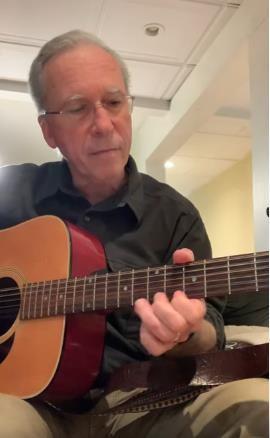
    Dr. Tom Higgins, Parry Sound FHT, shares a music message during COVID


    Members’ stories

    North Huron and North Perth FHTs: North Perth and North Huron Family Health open COVID-19 testing site

    Parry Sound FHT: Dr. Tom Higgins, Parry Sound FHT, shares a music message during COVID


    Resuming scheduled surgeries and procedures and more

    On May 7, the government released their framework to help hospitals assess their readiness and begin planning for the gradual resumption of scheduled surgeries and procedures, while maintaining capacity to respond to COVID-19. Earlier last week they also announced temporary fee codes to cover uninsured patients.

    We continue to update several pages on our site with resources and news:

    We’ll update these on a regular basis as we receive relevant resources, while trying to reduce duplication with other sources. We will continue to update the news page daily.


    eReferral to BounceBack

    BounceBack Ontario is now available on the Ocean eReferral Network. This means that you will be able to send referrals to the BounceBack program directly from your EMR instead of by fax.

    If you are already an Ocean eReferral user, you can do this by opening the Ocean Healthmap from your EMR and searching for the “BounceBack Ontario” listing. If you are not an Ocean eReferral user, please see the Ocean eReferral handout, or contact ereferrals@thinkresearch.com to sign up for your free account.

    Do you need support?
    Do you need any support from the BounceBack team? Whether it’s scheduling a call or facilitating a webinar for your team to explain more about the program, they can assist you. If you have any questions or concerns or require additional resources, please email bounceback@ontario.cmha.ca.


    Sharing your innovative initiative

    Primary care continues to step up and ensure our patients get the care they need. From the beginning of this pandemic to now as the province transitions to re-opening, teams have rapidly been adapting to changes. It is important to share innovative initiatives as teams continue to do quality improvement initiatives on the go.

    Email us at improve@afhto.ca to share what your team is doing. You may be featured in an upcoming webinar!


    CAMH COVID-19 discussion forum and app

    CAMH has created a peer-to-peer COVID-19 discussion forum that is moderated. You can check it out and post a question, comment, or a suggestion on what is helping you manage your stress and anxiety during the COVID-19 pandemic. You can also login using an anonymous name if you would like to protect your identity. During these times, it’s important to pull together and help support one another!

    Relevant links:

    You can download the app now here:


    Pivoting During the Pandemic: Challenges and Opportunities for Continuing Professional Development and Choosing Wisely, May 13, 2020

    Choosing Wisely Canada hosts weekly webinars to discuss pressing topics around COVID-19. Join to learn and connect around freeing up these limited healthcare resources. Learn more here.


    Utilizing Advance Care Planning & Serious Illness Tools During COVID-19 and Throughout the Patient Journey, May 13, 2020
    Learn how to identify at risk patients in the COVID-19 context, prepare yourself & your patients, tools to support conversations and how to integrate outcomes of conversations into “in the moment” care. Learn more here.


    Optimizing Care of the Elderly and Long-Term Care Residents during the Pandemic (French only), May 14, 2020
    Join this French CFPC webinar as part of the COVID-19 Pivots. Find the webinar link posted here.


    Choosing Wisely – Canada’s National Meeting, May 26, 2020
    The Virtual National Meeting will bring together health professionals, patients, system leaders, and researchers from across the country to discuss and engage in topics related to overuse in health care. Learn more here.


    ECHO Evening Series on Cannabis and Pain, June 8-22, 2020

    Free online sessions open to all healthcare providers:

    Session Times and Topics
    All sessions are 6:30-8:00PM

    • June 8, 2020 -Cannabis: Working & Driving  
    • June 15, 2020 – Trends in Cannabis Research
    • June 22, 2020- Cannabis Use Disorder: Signs & Symptoms  

    Find out more.

  • COVID-19 Member Initiatives by OH region

    COVID-19 Member Initiatives by OH region

    AFHTO recognizes that our members are doing fantastic work on the frontlines attending to patients and adjusting to the COVID-19 pandemic. To connect our teams and showcase the initiatives made by our them, we’ve created an interactive platform for our members to browse the initiatives made by their fellow members.

    Please feel free to scroll through all the initiatives by OH region.

    Toronto Central West North East

    Have an initiative that hasn’t been featured? Contact us with your initiative to be featured, or share using our AFHTO Members Initiatives webform.

    In collaboration with Drs. Donnelly and Ashcroft, AFHTO has captured AFHTO teams’ initiatives and summarized into a booklet for you. You can also click here to read about the research findings! 

    Crossing Chasms


    Toronto

    Initiative

    Description

    Team Name

    OH Region

    Mass Immunization & COVID vaccination initiatives (people living in encampments, experiencing homelessness) Since running our Dixon Hall clinic in March, we have been leading a mass immunization clinic at a local community centre, in partnership with the St. James Town Community Corner (The Corner). A small team on our health bus has also been vaccinating people living in encampments and other folks experiencing homelessness. All together, our Sherbourne-led COVID vaccination initiatives (still ongoing) has resulted in nearly 17,000 people getting vaccinated Sherbourne Health Toronto
    COVID-19 Vaccine clinic – AstraZeneca AZ pilot

    3 days, administered 205 doses, 60+ years old

    • clinic took place because Sherbourne Health works with marginalized communities – newcomers, LGBT2SQ+, homeless – were having challenges accessing timely vaccines and the interprofessional team at Sherbourne wanted to help in a more direct way (rather than referring our clients to external options – pharmacies/mass immunization clinics which can be difficult for our clients to navigate)
    • partnered with Dixon Hall (188 Carlton Street) in Toronto, which is walking distance from Sherbourne Health. This location is well known to many seniors in the neighbourhood due to their programming for seniors.
    • most people who received vaccines were Sherbourne Health clients who met eligibility criteria for the Astra Zeneca vaccine at the time. Dixon Hall was instrumental in identifying eligible seniors–ranging from their long-time clients, seniors visiting a local food bank, etc–for Astra Zeneca vaccines to ensure equitable vaccine distribution for additional doses (about 30).
    • Sherbourne Health and Dixon Hall built on prior experiences working together for community-based flu vaccine clinics in Fall 2020 (ideal space for physical distancing)
    • used Toronto Region Vaccine Playbook (suggestions for fixed community clinic) as a guide for quick planning (a few days since being notified of getting Astra Zeneca vaccines)
    Sherbourne Health Toronto
    High Volume Outdoor Vaccine Clinics *

    The majority of family physicians in west Toronto practice without the support of an interdisciplinary team, usually in independent offices. Physical distancing made imperative by the COVID -19 pandemic meant that they could not see patients in person, in clinic, at the same rate as a typical fall flu vaccine campaign. The West Toronto Ontario Health Team (WTOHT) identified supporting flu vaccination as high priority and it emerged as its first community initiative. 

    Crosstown FHT

    Village FHT,

    St. Joseph’s Urban FHT

    Toronto

    In-Person Flu Clinics 

    Central Brampton FHT has ensured that they’re following all IPAC controls and measures along with continuing to provide flu clinics even in the “lockdown” region for the patients of the FHT. The feedback continues to be amazing, Patients are happy with the flow, and clinic being on time with appointments. No wait times and they feel safe when in the flu clinic.

    Central Brampton FHT 

    Toronto

    Flu Shot Clinic – Regular, High Dose & Kids under 5

    North York FHT is offering parking lot drive thru flu clinics on weekends available to the community with no appointment necessary. To accommodate elderly and vulnerable populations, these individuals can receive the flu shot in their car as well. North York FHT is offering a drive thru flu shot clinic with only a 20 minute wait for patients needing a regular or high dose flu shot and for kids under the age of 5. 

    North York FHT Toronto

    Lactation Support

    Village FHT is fortunate to have lactation support available to our patients. The certified Lactation Consultant offers assessments and ongoing lactation support at the clinic. With the closure of Toronto Public Health Breastfeeding Clinics, they recognized a need in our community. With the support of the lead physician and executive director, the Lactation Consultant has been able to extend her services to non-patients who are unable to access lactation resources during this time via telephone, virtual or in-person appointments. 
    They have received thanks from Toronto Public Health and the non-patients who have utilized this service. It is important to recognize the importance of community and how teams can help during these challenging times.

    Village FHT Toronto

    Virtual Well Baby Groups

    Village FHT provides care to many infants and families. Prior to COVID-19, Well Baby Groups were offered in clinic to new parents with the purpose of providing comprehensive education based on infant’s age (starting at 2 months through to 9 months old). Topics such as developmental milestones, nutrition and sleep are discussed in a group of parents and infants of similar ages & stages. Due to COVID-19, all in clinic groups had to be abruptly cancelled. Our team recognized an ongoing need for education and support for new parents and decided to trial Virtual Well Baby Groups as an alternative. Guided by the clinic RN / Lactation Consultant to families continue to receive education, support and connection with other first-time parents in a virtual setting. The regular PowerPoint presentation is shared, and discussion is had between the nurse and participants. Resources are sent via Avocare. The team has received great feedback and appreciation that these services continue despite the current circumstances.

    Village FHT Toronto

    Caring for Seniors and Vulnerable Populations during the COVID Pandemic

    To reduce the spread of COVID-19 in buildings in East Toronto and improve access to the frail, elderly and the vulnerable, SEFHT is collaborating with the East End Community Health Centre and their community partners to create a Primary Care and Community Care Virtual Response Team.

    South East Toronto FHT

    Toronto

    Mobile Unit Medics

    Mobile primary care units (Mobile Unit Medics) are being set-up in East Toronto to address the indirect impact on non-COVID conditions due to resource restrictions. As a result of COVID (2nd wave) and the effect of interrupted care on chronic diseases (3rd wave).

    South East Toronto FHT

    Toronto

    COVID-19 Virtual Monitoring

    SETFHT partnered with MGH to virtually monitor patients discharged from in-patient units, assessment centres and the ER. More details can be found in the Hospital News article – (see p. 28)

    South East Toronto FHT

    Toronto

    Community Pediatric Care During COVID-19

    If patients do not have access to a pediatrician or family doctor, and they are not providing virtual or in-person visits, SETFHT will be providing access to a family-friendly primary care environment for the safe assessment of children during the COVID pandemic. This is to help the patients of the community and their families get through this challenging time.

    South East Toronto FHT

    Toronto

    Social Media Q&As

    SETFHT has found this to be a great tool in helping patients deal with social isolation. They have had a great response from their Instagram LIVE sessions on a variety of topics.

    South East Toronto FHT

    Toronto

    Primary Care Virtual FHT

    NYFHT has supported a new primary care virtual FHT for patients unable to access their primary care provider during this time, including those in congregate settings and those recently discharged from hospital for COVID-related illness. The NYFHT facilitated this by providing increased IHP support and supporting physician/patient EMR accessibility.            

    North York FHT

    Toronto

    Sharing Best Practices and Information/Resources with the Community

    Best practises and information/resource sharing within the community, such as pharmacist-led medication updates, webinars and communiques, were led and distributed by the NYFHT in collaboration with the North York Toronto Health Partners (NYTHP) and Department of Family and Community Medicine (DFCM).

    North York FHT

    Toronto

    Patients Continue to Come First

    NYFHT IHPs conducted outreach and wellness calls to patients identified as vulnerable and high risk. They provided support, resources and connected them with services to keep them safe and at home. Counselling for chronic disease management, health promotion and prevention, and mental health continued to take priority. Urgent in-person care continued where necessary to ensure timely access to care, and to keep patients out of the emergency department.

    North York FHT

    Toronto

    Return to top


    Central

    Initiative

    Description

    Team Name

    OH Region

    COVID-19 Vaccine switch  Prime Care in Milton gave AZ for 2 weeks until this week when they had to put the clinic on hold. They experienced some hesitancy, but moved forward positively, and and gave over 300 vaccines!
    Prime Care FHT reached out to their clients and beyond. Their RN Julie even reached out to her Rotary Club to spread the news throughout Halton. 
    Now they are having a walk-in clinic on Saturday May 15th, injecting Moderna. The clinic was fully booked within 15 minutes – and they will be successful in giving 100 vaccines
    Prime Care FHT Central
    Covid-19 Pop Up Testing Centre at 3 locations Carefirst has been approached by Ontario Health and Central LHIN to lead the implementation of the “High Priority Communities Program” in southeast Markham, which has been identified as a COVID-19 hot zone. The initiative addresses COVID-19-related challenges by increasing access to testing, enhancing community outreach and health education, and providing wrap-around care to the community. Carefirst currently has three COVID-19 pop-up testing sites in and around southeast Markham. More details and online booking can be found on their website.  Carefirst FHT Central

    New program by local health group helps monitor COVID patients at home


    Home Monitoring Program an ‘important tool’ to prevent an undetected drop in blood oxygen levels and enable quick medical intervention. To better support residents in South Georgian Bay who have been diagnosed with COVID-19 and are recovering at home, the South Georgian Bay Ontario Health Team (SGB OHT) has launched a Home Monitoring Program to care for high-risk patients with suspect or confirmed COVID-19. To learn more, click here.* Georgian Bay FHT Central

    5 consecutive weeks of flu clinic 

    Markham FHT has been giving flu shots for 5 weeks consecutively with a total vaccinations given: 4810! Patient feedback was overwhelmingly positive to boot.

    Markham FHT

    Central

    Drive-thru flu shot clinics open in Collingwood and area next month

    Georgian Bay FHT is supporting a drive-thru flu shot clinic for their community. 

    Georgian Bay FHT Central

    Flu Shot Clinic hits 121 Immunizations by 3 pm

    Summerville FHT is offering a flu shot clinic, for which on November 7, 2020 they had immunized 121 patients by 3 pm. 

    Summerville FHT 

    Central

    COVID-19 testing complete at three local nursing homes

    The Georgian Bay FHT confirmed testing is complete at Bay Haven Care Community, Collingwood Nursing Home, and Creedan Valley (Creemore) and will continue testing for local long term care homes. The Georgian Bay Family Health Team is running the Collingwood COVID-19 assessment centre, a drive-thru tent in front of the medical clinic building. They have set up a website where patients can sign up to be on the waiting list.

    Georgian Bay FHT Central

    In Office Medical Monitoring

    There are a number of stable (Child, Adolescence and Young Adult Eating Disorders Program) patients who were being followed by their family physician for medical monitoring. However, due to COVID-19 some practices have switched to virtual care with no in-person visits. This has increased the potential for these patients to become de-stabilized. As such, Aurora-Newmarket FHT has stepped up and will complete in the in office medical monitoring of these patients.

    Aurora-Newmarket FHT Central

    Virtual Check Ins and Groups 

    At Aurora-Newmarket FHT, the occupational therapist has introduced a new feature, Wellness Wednesdays, where the team shares helpful information on our Facebook page each week to support patients health and well-being while staying home.The team of IHPs are working on a new process to start Virtual Groups to continue providing care for our patients and staying on track with our Schedule A programs. For example, Caring for the Caregiver, What the Tech, and even some groups for patients living with Type 2 Diabetes (carb counting or What the Tech) will be important to run. “What the Tech” will focus on mental health apps and online resources and/or nutritional resources. The team will utilize our social media and website to gather interest.

    Aurora-Newmarket FHT Central

    Providing Care to Unattached Newborns and Moms

    Aurora-Newmarket FHT is providing care to unattached newborns and moms who no longer have ready access to their family physician after discharge from Southlake Regional Health Centre. NP and RNs are administering immunizations for our rostered patients, as well as unattached babies and pregnant women.

    Aurora-Newmarket FHT Central

    Patient Check Ins

    BCFHT has created a template for IHPs to check in on high-risk patients for social supports, health care needs and COVID-19 questions.

    Barrie and Community FHT

    Central

    System Navigation

    RNs at Crosstown FHT are focusing on system navigation and reaching out to isolated patients with resources during this situation

    Crosstown FHT

    Central

    Drive-through Covid-19 Pop Up Testing Centre 

    The Georgina Nurse Practitioner-Led Clinic is proud to be leading the setup of a drive-through Covid-19 pop up testing center on July 29th at the local arena. We have worked with several organizations and they include, but are not limited to, the Town of Georgina, Central LHIN, York Region Public Health, York Region Community Paramedics, Sutton firehall, Health Georgina, Knights of Columbus, Kinsmen and others.  


    This testing day will be for asymptomatic people who may be concerned about contact, want to visit family in Long Term Care, or are concerned about exposure such as with health care workers or customer service workers.   As Georgina covers a large geographical area, this will be of great value for those living in remote areas of Georgina or for those who do not want to travel 30-45 minutes to the closest testing centre.

    Georgina NP-Led Clinic

    Central

    Donated funds to purchasing Ventilators


    Donated PPE

    Donated money to Southlake Hospital for purchasing ventilator machines ($150k). Donated PPE to a local nursing home and continue to work with them around patient and staff supports

    Georgina NP-Led Clinic


    Central

    Collaborating with a Group Home for COVID-19 Screening

    Participated in COVID-19 screening at one group home and ran a screening day at a second local group home

    Georgina NP-Led Clinic


    Central

    Elderly Patient Check

    RD, HP and RPN called 220 seniors to screen for food security, medication updates, safety, and mental health supports. Patients were able to email images through a general mailbox.

    Georgina NP-Led Clinic


    Central

    Clinic Operation and Virtual care

    The GNPLC has continued to provide access  to primary care for patients, including access two evenings a week. The majority of the staff are working remotely and providing care through e-visits. However, there are a minimum of two NPs, RPN or Lab Tech for in-person visits as needed, as well as two medical secretaries, the lead administrator and clinic director.

    Georgina NP-Led Clinic


    Central

    Wait While

    The GBFHT utilized the application “Wait While” to provide patients with a virtual wait list for care at the GBFHT after-hours clinic. Utilizing this virtual list ensures that patients are able to socially distance themselves from other patients while waiting for their appointment. Patients are able to log in through the virtual portal link on the GBFHT website and add themselves to the wait list. They are notified when it is their appointment, and they can then enter the clinic after the prior patient has left. If a patient does not have access to the internet on their phone and would like to add themselves to the wait list, they can either text in their information to be added or speak with a greeter at GBFHT, who will then add them to the list on a tablet. This enables patients to access needed care in the safest way possible for both patients and staff.

    Georgian Bay FHT

    Central

    Team-Based Virtual Care for Education Groups

    GBFHT is promoting use of Primary Care Virtual Care (PCVC) in the team. PCVC is being used for patient counselling and education, and for staff and managers to connect in a more “face to face” manner beyond phone and teleconference. The diabetes team is also encouraging patients to access education videos online demonstrating blood glucose meters, sensors, and injectable medications (mainly those provided by pharma and manufacturers). The team also plans to bring together all the FHT team members (RN, Health Promoter, MH counsellor and RD) who would normally present in the T2 diabetes education groups, to create a video presentation that they can link on their website. GBFHT is committed to make the most of this crisis and to get creative about how they can continue to deliver service while protecting staff and patients!

    Georgian Bay FHT

    Central

    Follow Up of COVID-19 Assessment Centre Patients

    NSFHT is providing nursing support via telephone to patients who attend the local COVID-19 assessment clinics. Patients who are screened/assessed can consent to a follow up call from a nurse within the NSFHT. The nursing staff will share the caseload and reach out to individuals who may be having challenges with self-isolation. The nurses can refer to mental health counselling or counselling from a registered dietitian to increase access to information they may need while at home. This is a service they offer in the community to those individuals who may not already be connected with the family health team.

    North Simcoe FHT

    Central

    Return to top


    West

    Initiative

    Description

    Team Name

    OH Region

    Chatham Kent OHT partners (including Tilbury District FHT, Chatham-Kent FHT & Thamesview FHT)

    On Friday, May 21, more than 1,100 people scheduled to receive a COVID-19 Vaccine dose – more than any previous mobile clinic in Chatham-Kent. 

    The collaboration continues to offer COVID-19 vaccines. On May 27, they will hold a pop-up clinic at Tilbury District FHT, and on June 3rd at the Chatham-Kent CHCs in Wallaceburg.


    Tilbury District FHT, Chatham-Kent FHT & Thamesview FHT  
    Homebound Vaccine Team 2 Owen Sound FHT nurses partnered up with Grey County Paramedic Services to administer COVID-19 vaccines to homebound patients. Owen Sound FHT West

    Flu Vaccine Availability in Grey Bruce

    Peninsula FHT worked closely with Grey Bruce Public Health to ensure their request of 1,000 doses for 8 flu clinics were received on time to help immunize Bruce Peninsula residents.

    Peninsula FHT

    West

    Owen Sound Family Health Team continuing to run flu shot clinic

    Owen Sound FHT offering a flu clinic for the community. 

    Owen Sound FHT

    West

    Provide virtual support to Mennonite and Amish residents

    The Mount Forest Family Health Team (MFFHT) has received a grant to help it provide virtual support to area Mennonite and Amish residents. The grant enables the township to provide support to help the health team obtain appropriate technology and support services to assist Old Order Mennonite, Old Order Amish, and Dave Martin Group Mennonites with access to health services that must be delivered virtually due to the COVID-19 pandemic.

    Mount Forest FHT West

    Chronic Pain Self-Management Program (CPSMP)

    The Minto-Mapleton FHT has been engaging with patients via OTN since the beginning of this pandemic. Chronic Pain Self-Management Program (CPSMP), a 6-week education session, is geared at teaching new ways to deal with chronic pain and requires participants to take an active role in learning and practicing these tools. Some topics include fitness/exercise, pacing, medications, emotions, fatigue/sleep, and communication. The support from the group members is an added benefit to the program. The feedback from participants has been excellent. If you are interested in learning more about how you can implement this program, more information can be found here.

    Minto-Mapleton FHT West

    GLA:D (Good Life with Osteoarthritis in Denmark)

    GLA:D (Good Life with Osteoarthritis in Denmark) is an 8-week education and exercise program for those with stiff/painful knees or those with OA of the hip/knee, and it consists of two 90-minute education sessions and 12 neuromuscular exercise classes. The program teaches how to control movement and achieve proper posture; builds strength through functional exercises; and teaches how to apply these principles to everyday activities. This group runs twice a week as an interactive virtual exercise session. 


    If you are interested in learning more about how you can implement this program, GLA:D Canada provides training and support to run the hip and knee OA program. More information is on their website

    Minto-Mapleton FHT West

    Schedule changes to optimize care during a pandemic

    To improve efficiency, reduce PPE use, and decrease the risk of cross contamination between sites, the HFHT has modified the schedules of its RNs and NPs. Current schedules reflect the pairing and 2-week rotation of the IHPs at various sites. This modified schedule has also helped increase consistency of care in each office and has allowed RNs to continue to work in an expanded role (using medical directives) and to consult with the NPs.

    Haldimand FHT West

    Lung Health – reducing gaps in care during COVID-19

    To reduce the risk of respiratory complications in addicted patients, the HFHT CRE provides continued smoking cessation & relapse prevention services to patients through virtual visits and NRT drop-off/curbside pickup. This effort not only initiated appreciative feedback from patients through social media and radio, but the CRE was also client nominated and selected as the local “Haldimand Hero” for her work in supporting continued patient care.

    To support continued care of patients with COPD & asthma, the HFHT CRE provides wellness calls to patients in isolation. Once assessed, the CRE collaborates with the HFHT team to ensure that patients have updated action plans that help prevent/reduce the risk of exacerbation and that may be self managed during isolation. Coordinated care plans and referrals to other services are initiated where necessary.

    Haldimand FHT West

    Virtual Visits and support for HFHT and non-FHT clinicians

    To reduce the risk of potential exposure to COVID-19, all clinicians of the HFHT initiated virtual visits (phone and/or video) with all patients. Patients requiring in-clinic visits were scheduled appropriately.
    The provision of virtual visits decreased the risk of virus transmission through unnecessary exposure while still providing access to care. An added bonus was the conservation of PPE.
    While some virtual visits were challenged by poor internet coverage in rural areas, the majority of patients were appreciative of the virtual care.

    To facilitate virtual visits throughout the county, the HFHT registered nurse provided support for access to virtual services to all HFHT clinicians as well as clinicians at other non-FHT clinics.

    Haldimand FHT West

    Improved PPE access to Family Practice clinics in Haldimand county

    To simplify distribution of PPE to primary care clinics in Haldimand County, the HFHT became the hub for obtaining and delivering urgent PPE supplies and donated PPE. Spearheaded by the HFHT Clinical Lead, PPE is redistributed and delivered to FHT and non-FHT clinics to ensure an adequate supply for all clinics.
    This effort is ongoing and has:
    • improved relations and collaboration with primary care in the county
    • streamlined access to PPE for clinics while minimizing confusion about how/where to obtain PPE
    • enabled providers to safely continue to care for patients where in-clinic visits are necessary

    Haldimand FHT West

    Mental Health Check-Ins and Counselling

    The HFHT mental health staff recognise a need for support for any isolated patient and provide check-in phone calls to counsel and monitor patients in isolation. This support is provided not only to patients in active counseling (during the period right before the pandemic), but also to patients who may have received mental health support in the past. Through collaboration with other non-FHT clinics regarding PPE distribution, counselling services have been extended to non-HFHT patients.

    Haldimand FHT

    West

    Wellness Calls to Vulnerable Populations

    To improve community support during COVID-19 and reduce the risks associated with isolation, the Haldimand FHT provides wellness calls to all elderly patients and families with children younger than 15. The team recognised that isolation may:
    • prevent elderly patients from receiving needed assistance and may put them at a higher risk for mental health issues
    • put families with young children at a higher risk for anxiety, stress, and potential domestic violence

    The RNs and mental health staff used data extracted from the EMR to identify appropriate patients and used standardised screening forms (developed to support the initiative) to maintain consistency and to help identify gaps in care. Coordinated care plans and referrals to other services are initiated where necessary.
    While vulnerable patients feel especially supported, all patients are appreciative of the service, and the HFHT has identified that the wellness calls may have prevented the need for a hospital visit for some patients.

    Haldimand FHT West

    Local health care organizations work to address long term care COVID-19 crisis

    The Grey Bruce Health Unit, SBGHC staff, and  Brockton and Kincardine Area Family Health Team, have assisted four long-term care homes with swabbing residents and staff. The partnership among public health, hospitals, and primary care to provide the enhanced surveillance testing of all residents and staff in long-term care homes has been a great success.

    Brockton and Kincardine Area FHT West

    Educational Videos for Patients

    The Niagara North FHT has created a series of YouTube educational videos for patients on topics such as hand hygiene, healthy foods, meal planning, and COVID-19 that can be found in this playlist.

    Niagara North FHT West
    Virtual Substance Abuse Program

    The Windsor Team Care Centre’s substance abuse services has moved online due to COVID-19. A new virtual substance abuse program, part of the One Team Recovery (OTR) initiative, will host sessions through the online video call platform GoToMeeting. The service will allow up to 25 people to join the group session. To reach the masses and to provide a group setting, this program could offer those extra services and extra supports virtually and connect other people. 

    Windsor FHT West

    Virtual Nutrition Groups

    Hamilton FHT offers a variety of nutrition programming from educational groups such as Healthy You, Cooking Demonstrations, Diabetes groups and grocery store tours to treatment-based groups such as Mindful Eating and Binge Eating Disorder Treatment Program.


    To help stay connected to patients during this challenging time, they have switched to nutrition counseling over the phone and have modified Diabetes Groups, Cooking Demonstrations, Healthy You Lifestyle Groups for a virtual platform. Participants now join their much-loved groups through Zoom meetings. They have even created a HFHT Zoom Etiquette to help facilitators and participants get used to this new platform.


    The dietitian/mental health counsellor-led treatment groups (Mindful Eating Groups and Binge Eating Disorder Groups) have also gone virtual. To meet the needs of the community, during the months of May and June, they are offering Zoom webinars for the public on topics of interest including diabetes, heart health, depression, and emotional eating. They are excited at the prospect of continuing to run virtual groups such as these to support patients now and in the future.

    Hamilton FHT

    West

    Return to top


    North

    Initiative

    Description

    Team Name

    OH Region

    COVID-19 Vaccine Collaboration Working with the Thunder Bay District Health Unit, the North Shore FHT has been vaccinating community members through 150 to 500-person vaccine clinics in the community. It is estimated that as of May 17th,  over 74% (2107) of eligible residents have received their first dose and over 13% (320) have received their second dose. North Shore FHT  
    Elliot Lake FHT Continues To Support Delivery Service For Seniors

    The Age Friendly Delivers program is a grocery shopping and delivery service that was established by the city at the onset of the pandemic this year. The Age Friendly Check-ins program is a daily contact service for those in self-isolation. Initially, the check-in program was administered by the city, but the Elliot Lake Family Health Team has since taken over.

    Elliot Lake FHT North

    Drive Thru and Walk- In Flu Shot Clinics 

    Wawa FHT was offering drive thru flu shots to the community within their cars, however now in the colder weather they are offering walk-in clinics in various locations. 

    Wawa FHT  North
    COVID-19 outreach team finishes Long Term Health Care Home testing

    Powassan & Area FHT worked closely with the Health Centre’s COVID-19 Assessment Centre Outreach Team and the North Bay Parry Sound District Health Unit to collect a total of 1,239 swabs. The outreach team conducted testing at Cassellholme, Nipissing Manor, Water’s Edge and Eastholme and tested both residents and staff.

    Powassan & Area FHT North

    Exploring primary care information as an indicator of impacts of changes in restrictions related to COVID‐19

    Public Health Sudbury & Districts has started an initiative to collect primary care data from FHTs and NPLCs that are currently screening COVID-19 patients. They anticipate the data may provide an early signal of those impacts in the community and support decision makers in their efforts to mitigate the outbreak.

    Public Health Sudbury & Districts – FHTs & NPLCs

    North

    INR Testing in the Parking Lot

    As teams move to providing care to patients within their cars in parking lots for immunizations, COVID testing etc., Atikokan FHT is providing INR testing for patients within their cars. 

    Atikokan FHT

    North

    ED Diversion Strategy

    Sunset County FHT has partnered with their local hospital to create a communication strategy in which they are offering unrostered patients’ same day/next day appointments to ensure patients continue to have access to primary care.

    Sunset County FHT

    North

    Diabetic Patient Check Ins

    Northeastern Manitoulin FHT has created a script that their dietitians are using to check in on diabetic patients to ensure continuity of care.

    Northeastern Manitoulin FHT

    North

    COVID-19 mobile assessment service

    Elliot Lake FHT has developed a COVID-19 mobile assessment service. They screen people over the phone and if a person qualifies, they send a nurse to the home to do a swab.

    Elliot Lake FHT

    North

    Primary Care Support for Supported Isolation Centre and Temporary Emergency Centre

    The emergency shelter in the City of Greater Sudbury has been temporarily relocated to a hotel. Sudbury District Nurse Practitioner Clinics is working with Canadian Mental Health Association Sudbury/Manitoulin and the City of Greater Sudbury to provide primary care for individuals who are using the temporary emergency shelter. Through a Supported Isolation Centre, homeless individuals that have to be in quarantine due to COVID-19 (e.g. symptomatic individuals, those awaiting results) will be monitored by a team of health care providers. In addition, primary care providers review all intake assessments and participate in care plan development, renew and/or adjust chronic disease medications, and consult with addiction and mental health specialists as required.


    Sudbury District Nurse Practitioner Clinics

    North

    Virtual Programming for Community

    Through Zoom and promotion on Facebook, the website, and emails to community stakeholders, they are holding free virtual programming for patients and broader community. The Social Worker and Dietitian are holding ‘Am I doing this right? Caring for ourselves in unprecedented times.’ This provides practical strategies for managing mental and emotional health during a pandemic. The Social Worker and Registered Nurse are holding Mindfulness Awareness Stabilization Training to help participants learn how the body processes stress and emotions, and to develop resources for self-care.

    Sudbury District Nurse Practitioner Clinics

    North

    Connecting with Patients via Multiple Platforms

    Marathon FHT has shared any clinic changes in various ways with communities they serve. Some examples include: clinic Facebook page, sent to First Nations clinics, local paper, and email.

    Marathon FHT

    North

    Collaborating with Local Pharmacists for Prescription Extensions

    Marathon FHT contacted the local pharmacist to arrange for extension of prescriptions for chronic medications rather than sending renewal requests for those medications to the physicians/NP at this time, plus a letter to employers (there are only a couple of major employers) and Chamber of Commerce indicating that they will not be providing off work notes for workers.

    Marathon FHT

    North

    Return to top


    East

    Initiative

    Description

    Team Name

    OH Region

    Drive-thru COVID-19 Vaccine clinics & tips Ottawa Public Health offered the vaccines to Rideau FHT with  2 weeks to plan and register patients & train staff. Saturday, April 24- vaccinated over 500 patients in similar fashion to their flu clinics. The mobile approach continues to work extremely well for them. Tips available on the OMD link or through Dr. Shadbolt. Rideau FHT East
    Outdoor Flu Clinic

    The Athens District FHT recognized that their yearly flu clinics typically attract large crowds, so they planned an outdoor drive-thru flu clinic. To ensure they were covered during the uncertain November weather, they partnered with a local church to make use of their awning to shield them from the weather. 

    The drive-thru clinic created a buzz in the community and was a complete hit! The team of  2 MDs and 2 NPs administered approximately 500 flu shots in the span of 6 hours on November 10, supported by their nursing team. Patients and unrostered community members felt grateful and safe as a result of their teams’ initiative.

    Athens District FHT East

    Covid-19 Assessment Centre for Inuit 

    The AIFHT also implemented enhanced responses as Covid-19 Assessment Centre for Inuit starting in April on receiving East Region Ontario Health approvals. Working with Public Health, EROLA lab/Ottawa Hospital the AIFHT implemented streamlined assessment and testing of all patients throughout the pandemic, including those presenting as symptomatic, asymptomatic, or for surveillance/sentinel swabbing. 

    Akausivik Inuit FHT

    East

    Isolation Hotel HUB 

    The AIFHT was also requested to provide primary care, and Covid-19 support for Inuit waiting to be re-patriated Up North at the Isolation Hotel HUB in Ottawa. Akausivik Inuit Family Health Team (AIFHT) sends an outreach team (physician, nurse, Inuktitut case manager) twice a week to the HUB. This has been and continues to be provided since the beginning and for the duration of the pandemic. Patients are seen for urgent primary care challenges such as pain, wound care, post-surgical exam, medication reviews, prescription needs (physical and mental health), blood work, Covid-19 testing and differential assessment, pre-post natal, well baby/child/mother checks, and chronic disease needs. 

    Akausivik Inuit FHT

    East

    AIFHT Paramedic Outreach Program 

    To respond to the enhanced needs of housebound patients the AIFHT also established an AIFHT Paramedic Outreach Program in partnership with the Ottawa Paramedics. Together, the AIFHT Paramedic Program has enhanced outreach to Inuit patients who are elderly, those with mobility challenges,  surgical pre-admission, post hospital discharge, and medically fragile requiring multiple follow up visits and case management.

    Akausivik Inuit FHT

    East

    Drive Thru, Clinic, Retirement Residence Flu Shots 

    The Bancroft Community FHT has been offering drive thru flu shot clinics in the parking lot. Some clinics have been by booked appointments while others have been walk in/drive thru clinics. Bancroft Community FHT offered flu shot clinics at seniors apartment buildings and retirement residences so that they did not have to actually leave their homes. 

    Bancroft Community FHT

    East

    Peterborough Family Health Team offers drive-through flu shots

    Peterborough FHT is offering a drive-thru flu shot clinic to their community within a parking garage. 

    Peterborough FHT

    East

    Flu Shot Clinic in Collaboration with Town Partners 

    In collaboration with their town North Durham FHT is supporting flu shot clinics. 

    North Durham FHT

    East

    Minimize Contact & Spread

    During the first wave of the COVID-19 pandemic, Belleville NPLC split its team into 2 cohorts to minimize contact & limit the number of people in the building. “That was to allow us to work on a rotating basis between home and the clinic” 

    Belleville NPLC

    East

    Outdoor RN Injection Clinic

    West Carleton FHT is running an injection clinic under a tent in the staff parking lot for injections. Patients are instructed to arrive in short sleeves and pre-screened over the phone. Patients appreciate this effort as injections for allergies, chemo etc. continue.

    West Carleton FHT

    East

    Renfrew County Virtual Triage and Assessment Centre (RC VTAC)

    The RC VTAC is a collaboration between Renfrew County Primary Care teams, the County of Renfrew Paramedic Service, Renfrew County Hospitals, and the Renfrew County and District Health Unit, with the support of Ontario Health East.


    The RC VTAC is a primary care solution to reduce the demand on Emergency Departments and provide Renfrew County residents, who do not have a family physician or cannot access their family physician, with the appropriate level of care when they have any health concerns (including concerns related to COVID-19).

    Primary Care in Renfrew County

    East

    Elderly Patient Check Ins & Community Collaboration Website

    Bancroft Community FHT is calling all elderly patients to encourage self-isolation, checking to ensure that they have enough medication and groceries, and assisting with making arrangements. They have set up a community website for individuals to offer or ask for help.

    Bancroft Community FHT

    East

    Transitioning Care Virtually in response to a Positive COVID-19 Patient

    In late March, Lakelands FHT discovered a positive case at the Northbrook site, which resulted in the immediate closure of the building. They all had to go home for a 14-day self-isolation. In response, they decided to build a clinic without walls! They created an email account for patients to contact them and posted this on their website and Facebook page. Physicians and NPs were able to remotely access the PSS EMR and fax prescriptions from their homes. Their super RN/IT expert also had remote access and provided critical support. They were able to create schedules for themselves and call patients from their homes by turning off the Caller IDs on their phones. The mental health social worker was able to call the patients in her schedule as well.

    Lakelands FHT

    East

    Return to top

  • Federal COVID-19 support programs available to charities and not-for-profit programs

    Shared by Grant ThorNton 

    Table of contents

    1. Canada Emergency Wage Subsidy (CEWS)
    2. Temporary Wage Subsidy
    3. Work Sharing Program
    4. Supplemental Unemployment Benefit (SUB) Plan
    5. Canada Emergency Business Account (CEBA)
    6. Canada Emergency Commercial Rent Assistance (CECRA)
    7. Tax Filing & Payment Relief
    8. Canada Emergency Response Benefit (CERB) – for Individuals
       

    Return to: COVID-19 Resources: Management, Operations, HR and COVID-19


    Canada Emergency Wage Subsidy (CEWS)

    How it can benefit your organization

    The CEWS enables organizations to retain employees and avoid significant lay-offs by offering to cover up to 75% of eligible employees’ wages during the pandemic period (retroactive from March 15, 2020 up to June 6, 2020).

    Eligibility check

    1. The CEWS is wide-reaching and open to businesses (taxable corporations, self-employed, partnerships) as well as not-for-profit organizations (“NPOs”) and registered charities.
    2. Organizations need to meet certain minimum requirements for revenue declines (see details below).
    3. Organizations need to attest that they are doing all they can to pay employees the remaining 25% of their wages.

    How to access
    The application process will be available beginning April 27th. An online application portal on the CRA website is under development.  You can take the following steps to prepare for your application:

    1. Organizations should register for My Business Account on CRA online (this can be done now).
    2. Organizations are required to apply for each eligible month, i.e. the revenue criteria below must be met on a month-by-month basis, however once qualified, the organization will be automatically qualified for the immediately subsequent period, i.e. if you qualify for March, you’ll automatically qualify for April.  For May, the organization must meet the qualifying criteria.
    3. Once the organization determines its eligibility, the organization must continue to pay its employees and then apply for the subsidy through the online portal based on the remuneration paid.
    4. Use the calculator available on the government website (link provided below) to determine the subsidy for your organization.  Step by step instructions have been provided.  The information you input in to the calculator is not being retained by the CRA but is only a tool to assist you with calculating claim amounts.
    5. The employer will then receive a direct deposit payment for the subsidy amount.

    Benefit details and further reading
    The 75% subsidy is calculated for each employee. The subsidy is 75% on the first $58,700 of remuneration paid, up to a maximum of $847 per week. The maximum period of time available is March 15, 2020 up to June 6, 2020 (12 weeks).  There is no maximum limit per employer.

    The CEWS benefit will also include the employer-paid premiums on Employment Insurance, the Canada Pension Plan, the Quebec Pension Plan or the Quebec Parental Insurance Plan related only to employees who are on paid leave.

    To qualify, organizations must see a decrease in “revenues” of 15% in the current period (i.e. March, or 30% for April and May 2020) compared to either A) the same month in 2019 (i.e. March, April, or May 2019 respectively), or B) the average revenues from January and February 2020. Note that once your organization qualifies for one period, i.e. for a particular month, it will automatically qualify for one month after that as well.

    “Revenues” refers to the inflow of cash or receivables in the course of the sale of goods, rendering of services, and others’ use of your resources in Canada for the period. Notably, Organizations can use their regular accounting method in determining whether revenues have fallen. So, if the accrual method is typically used and deferred revenues are recorded, reductions in revenues recognized from those deferral accounts should qualify.  The option to use cash method accounting is available providing the employer elects to use this method and it is applied consistently to each period.

    For more information about the Canadian Emergency Wage Subsidy, please read their insights.


    Temporary Wage Subsidy

    How it can benefit your organization

    For those organizations not eligible for the larger wage subsidy above, the Temporary Wage Subsidy is still available to provide up to 10% back for each employees’ wages during a similar period (retroactive from March 18, 2020 up to June 19, 2020).

    Eligibility check

    1. The Temporary Wage Subsidy is also wide-reaching and open to certain small businesses (CCPCs which had at least $1 in business limit allocated to them i.e. $1 of the small business deduction in the prior year), individuals, partnerships, NPOs, and charities.
    2. Organizations must have had an existing payroll account with the CRA (“RP000X”) as of March 18, 2020.
    3. Organizations must pay remuneration to individuals employed in Canada.

    How to access

    1. Organizations should continue paying employees and withholding source deductions (CPP, EI, income tax) from payments to employees as normal.
    2. When the organization is ready to remit those source deductions, compute the amount of Temporary Wage Subsidy the organization is eligible for.
    3. Remit the normal amount of CPP and EI to the CRA. Then also remit income tax withholdings but reduce the amount of income tax withholdings by the amount of the wage subsidy.

    Example from the CRA website linked below: if you deducted $2,500 of income tax from your employees’ pay and calculated a subsidy of $2,050, you would reduce your current payroll remittance of federal, provincial, or territorial income tax by $2,050. You would remit $450 of income tax to the CRA. The remaining $2,050 that you keep would represent your subsidy.

    Benefit details and further reading
    Similar to the CEWS, the 10% subsidy is calculated for each employee. For each employee, the subsidy is 10% back on the first $13,750 of remuneration paid. Unlike the CEWS, there is a maximum subsidy of $25,000 for the employer. For associated or related organizations, they are not required to share or split the maximum $25,000 limit – in other words, it is strictly a $25,000 limit per employer. The maximum period of time available is March 18, 2020 up to June 19, 2020 (13 weeks).

    Note: the remuneration covered by the Temporary Wage Subsidy will not also be eligible for the CEWS.

    Grant Thornton has outlined what you need to know when it comes to the Temporary Wage Subsidy in a downloadable PDF.


    Work Sharing Program

    How it can benefit your organization
    Designed to help employers avoid full layoffs, Work-Sharing (WS) is an employment adjustment program providing income support to employees eligible for EI benefits who work a temporarily reduced work week while their employer recovers from a temporary reduction in the normal level of business activity. Organizations will benefit by paying reduced salaries to the eligible employee(s) for a reduced work-week and the government would provide income support to the individuals for the difference.

    Eligibility check

    1. The organization must have been a business in Canada year-round for at least the past year.
    2. The organization must be a:
      1. private business
      2. publicly held company
      3. Government Business Enterpricse (GBE), also referred to as public corporations, and
      4. NPO experiencing a shortage of work due to a reduction of business activity and/or a reduction in revenue levels due to COVID-19.
    3. Must demonstrate that the shortage of work is temporary and beyond the organization’s control, and that the decrease in business activity (not necessarily revenues alone), is 10% or more.
    4. Must also submit a recovery plan designed to return the WS employee(s) to normal working hours by the end of the WS agreement. There must be a reasonable expectation of recovery.

    Eligible employees include “core” employees (i.e. full or part-time employees employed year-round) who are eligible for EI benefits and who agree to participate in the WS program. In other words, seasonal hires or coops would not be eligible.

    How to access
    The application period must have a minimum duration of 6 weeks and a maximum duration of 76 weeks (increased from the typical 38 weeks). Applications must be made 10 calendar days prior to the requested start date (reduced from the typical 30 days). To apply, organizations must complete forms EMP5100 and EMP5101, and email them by clicking here.

    Benefit details and further reading
    The work sharing program allows organizations to reduce employees’ hours worked on a weekly basis from between 10% (one half-day) up to 60% (three days), on average.  There are additional details and restrictions in place listed in the above government website.

    If you need more information around the work sharing program, Grant Thornton breaks it down for you here.


    Supplemental Unemployment Benefit (SUB) Plan

    How it can benefit your organization
    To help with employee retention after the pandemic period eases, this program allows employers to top up an employee’s EI benefits so that the total amounts received by the employee equal up to 95% of the employee’s original remuneration. In other words, employers would pay an amount into the plan to raise the employee’s weekly earnings (EI benefits + top up).

    Eligibility check

    1. The employee must be currently entitled to EI benefits, i.e. not currently working.
    2. The sum of the EI payments and top-up payments to the employee (made by the employer) cannot exceed 95% of the employee’s previous weekly earnings.
    3. The SUB plan must be registered with Service Canada.

    How to access

    1. Interested organizations should register a SUB plan (see below for link to instructions).
    2. Organizations must also complete application form NAS5036, available online.
    3. Organizations then submit the SUB plan and application form to Service Canada in Bathurst, NB.
    4. Once approval is obtained, employers can start making top-up payments.

    Benefit details and further reading
    The purpose of the SUB plan is to provide supplemental payments to EI benefits during a period of unemployment due to a temporary stoppage of work, training, injury, or illness/quarantine.

    If you need to register for a Supplemental Unemployment Benefit Plan, please click here.


    Canada Emergency Business Account (CEBA)

    How it can benefit your organization

    The CEBA is implemented by eligible financial institutions in cooperation with Export Development Canada to provide interest-free loans to help cover costs during a period of reduced revenues. A portion (up to 25%) may be forgiven if repaid by Dec 31, 2022.

    Eligibility check

    1. Organizations must be a small business  or NPO.
    2. Organizations must demonstrate that they paid between $20K and $1.5M in total payroll in 2019.

    Note that it is currently unclear whether a reduction in revenues must be demonstrated and what the definition of revenues would include.

    There are certain organization’s which are excluded from eligibility including:

    1. Government organization’s or bodies, or an entity owned by a government organization or body
    2. Unions, charitable, religious or fraternal organization or entity owned by such an organization or it if is, it is a registered T2 or T3010 corporation that generates a portion of its revenue from sales of goods or services.

    How to access
    Financing programs began rolling out in the three weeks after March 27, 2020. Interested organizations should contact their current financial institutions to partake.

    Benefit details and further reading
    These loans are available up to $40,000 and are interest-free in order to provide NPOs with additional cash flow. If the loan is repaid by Dec 31, 2022, up to 25% ($10,000) is forgivable.

    For further details around the Canada Emergency Business Account, see Grant Thornton’s insights.


    Canada Emergency Commercial Rent Assistance

    How it can benefit your organization
    Designed to provide rent relief to organizations, the program offers forgivable loans to eligible commercial property owners for the months of April, May and June. Rent owed by an organization can be reduced by at least 75%.
      
    Tenants – Eligibility check

    1. The organization must pay less than $50,000 per month in rent, per location, as per a valid and legally enforceable rental agreement.
    2. The organization must have temporarily ceased operations or have experienced a 70% decrease in pre-COVID-19 revenues. 
    3. The organization must generate no more than $20 million in gross annual revenues, on a consolidated basis.

     
    Landlords – Eligibility check

    1. The landlord must generate rental revenues from a commercial real property located in Canada
    2. The landlord must have a mortgage loan secured by the commercial real property that is occupied by one or more small business tenants. A landlord that does not have a mortgage on the property may still be eligible.
    3. There must be a rent reduction agreement in place for each of April, May and June 2020, providing rent reduction of at least 75% each month. The agreement must also include a moratorium on eviction for the same three months.
    4. The landlord must have declared rental income on their tax return for 2018 and/or 2019.
    5. The landlord must agree that it will not attempt to recover the foregone rent after the 3-month period is over.

     
    How to access
    The program will be administered by the CMHC, details on how to apply is expected to be available mid-May.

    Benefit details and further reading
    The CECRA will provide forgivable loans to commercial property owners (landlords) to cover 50% of commercial rent for the months of April (retroactive), May, and June. The loan to the landlord will be forgiven if they provide the commercial tenant with rent forgiveness equal to at least 75% of their rent. The tenant would cover the remainder.

    If you need more information around the rent assistance program, Grant Thornton breaks it down for you here.

    You can also sign up with CMHC to recieve more information as it becomes available.


    Tax filing and payment relief
    GST/HST

    • GST/HST payments and import/export duties are deferred until June 30, 2020 for:
    • Monthly filers for reporting period end dates of February, March, and April 2020
    • Quarterly filers for reporting period end dates of February, March, and April 2020
    • Annual filers for the year end dates ending in February, March, and April 2020 (including instalments due in March, April, or May 2020)

    Incorporated Not-for-Profit Organizations (T2 and T1044)
    For tax year-ends with typical filing deadlines between March 19, 2020 and May 31, 2020, filing deadlines have been extended to June 1, 2020. Examples:

    Fiscal Year-End

    Typical Filing Due Date

    Revised Filing Due Date

    September 30, 2019

    March 31, 2020

    June 1, 2020

    October 31, 2019

    April 30, 2020

    June 1, 2020

    November 30, 2019

    May 31, 2020

    June 1, 2020

    December 30, 2019

    June 30, 2020

    June 30, 2020

    Charity Returns
    If the Organization’s typical filing due date for the charity return falls between March 18, 2020 and December 31, 2020, the filing date has been extended to December 31, 2020.

    Individuals

    Taxpayer

    Original filing deadline

    New filing deadline

    New balance due date

    2020 Instalments extension

    Individuals without business income

    April 30, 2020

    June 1, 2020

    September 1, 2020

    June 15, 2020 instalments deferred until
    Sep 1, 2020

    Individuals with business income (& spouse)

    June 15, 2020

    Unchanged

    September 1, 2020

    June 15, 2020 instalments deferred until
    Sep 1, 2020


    Canada Emergency Response Benefit (CERB) – For individuals

    How it can benefit your organization
    While the CERB will not benefit organization’s directly, any employees that ultimately need to be laid off should be directed to apply for the CERB benefit which is the largest benefit announced for previously employed or self-employed individuals. Organizations can work with the employees that needed to be laid off to help maintain morale during the crisis.

    Eligibility check

    1. Individuals must have earned at least $5,000 of employment or self-employment  in 2019 or in the 12-month period before the application period.
    2. Individuals must be a resident of Canada and at least 15 years of age.
    3. Individuals must not earn income in excess of $1,000 during each four-week application period.
    4. Individuals must cease working for at least 14 consecutive days in each four-week application period due to reasons related to COVID-19.

    How to Access
    CERB can be applied for by individuals online at the webpage linked below by answering a few questions at the bottom of the page and then proceeding to the application process. Individuals can also apply using CRA’s My Account and through Service Canada.


    Benefit Details and Further Reading
    Individuals who qualify will receive up to $500 per week for up to 16 weeks. On April 15th, the government expanded the eligibility to also include seasonal workers and other workers who have exhausted their regular EI benefits and cannot find work due to COVID19.

    Canadians who have already applied for EI and whose application is processing should not apply for CERB. Also note that if CERB payments are received by an individual who later is determined to not have been eligible, those payments will need to be repaid.

    For assistance with navigating the Canadian Emergency Response Benefit, please click here.


    Return to: COVID-19 Resources: Management, Operations, HR and COVID-19

  • Managing HR and Supporting Staff through COVID 19: Q&A with Maria McDonald

    This email was sent to EDs/Administrative Leads of AFHTO member organizations.
     
    1. Managing HR and Supporting Staff through COVID 19: Q&A with Maria McDonald
    Over the past 2 months Primary Care has quickly transitioned to provide the ‘new normal’ of care delivery during COVID-19. Teams became virtual overnight, accommodations were made to ensure the safety of staff and patients, and the sector implemented a range of primary care-based initiatives to enable more patients to stay at home and avoid unnecessary hospital visits during this pandemic.

    But change is not always easy and as the crisis continues, staff fatigue, anxiety and questions about the future of care delivery are beginning to arise. For many staff, balancing work load and caring for family members is becoming more and more challenging. How do we support staff, recognize their efforts, and provide the flexibility needed while maintaining equity in the workplace? For advice on these questions and more, join us for a one hour webcast hosted by Maria McDonald of McDonald HR Law.

    • Date: Thursday, May 14th 1-2 p.m.
    • Please register here: *this webcast in intended for EDs/managers only. All registrants will be authorized by AFHTO to attend. Please submit your questions for Maria via the registration link so she can prepare her presentation accordingly.

    2. Ontario Health Request for Support
    Ontario Health is reaching out to health care organizations asking for assistance in settings with urgent needs. We ask all teams to consider their capacity and identify HR availability to help with the following:

    • Provide staff needed to go into LTC homes to do PSW-type work. The greatest need is PSWs but if there are other staff willing to help out from an administrative point of view, it would be helpful. Answering phones and delivering meals are some examples of the types of support that is needed.
    • Anyone that is able to support the Northern rural areas is also being requested as the hospitals and LTC homes are at or close to 100% occupancy.

    Please fill out this survey identifying name and type of staff available, email address, availability (number of days per week, shift and number of weeks available) and we will coordinate with Ontario Health/Regional tables to facilitate the deployment of people to settings of highest need in each region. We anticipate the pandemic pay order will be applicable to staff redeployed to both hospital and LTC homes. We also suggest that each team connect locally with their hospitals to let them know if they are able to offer staffing if needed.

    3. Support for COVID related mental health issues
    The Ontario Psychological Association has set up a network of psychologists who can provide no-cost short term mental health support for COVID related mental health issues to both patients and front line workers. Find out more regarding these two opportunities for mental health support (please do not forward this letter).

  • Bits & Pieces: partnership to improve access to psychological services for the front line & more

    Bits & Pieces: partnership to improve access to psychological services for the front line & more

    Your Weekly News & Updates


    In This Issue  
    • Partnership to improve access to psychological services for front line workers
    • Letter from AFHTO’s President
    • Pandemic Pay
    • Update to critical supplies & equipment survey portal- training sessions
    • Mental Health Week
    • Updated screening and testing guidance and more
    • Infection prevention and control CoP in Ontario Central West Region
    • Ontario Community Support Association meals/essentials delivery
    • Seeking participants to examine practice patterns during COVID-19
    • Financial management webinar series
    • Upcoming events regarding Advance Care Planning and more

    Partnership to improve access to psychological services for front line workers

    AFHTO, OCFP, NPAO, and the Ontario Psychological Association partner to improve access to psychological services for front line workers- We would like to announce two pathways of care for mental health services from a Psychologist through the Ontario Psychological Association (OPA).

    One stream is for your patients who are experiencing mental health issues such as anxiety and depression related to the COVID 19 pandemic. The OPA has set up a network of psychologists who can provide no-cost short term mental health support for COVID related mental health issues.

    The second stream provides access to mental health support to you as primary care providers. As professionals providing front line care, we recognize the stresses to which you are exposed. Find out more regarding these two opportunities for mental health support (please do not forward this letter).


    Letter from AFHTO’s President

    On Friday we emailed a letter from AFHTO’s President and Chair Dr. Tom Richard:

    “As we approach a new month contending with this pandemic, I thought it would be a good time to touch base.

    The continued disruptions, frustrations and adjustments of how we provide our services has been a tremendous source of anxiety to ourselves, our families and those we look after.

    Yet, despite all this, primary care continues to step up and ensure our patients get the care they need.” Read the full letter here.


    Pandemic Pay

    The Ministry is working on its policy and implementation related to the release of pandemic pay and who is eligible. As we wait for further details, we will be working with our primary care partners to reinforce the important role primary care providers play in the COVID response and continue to advocate on behalf of team-based primary care. More details will be made available as information starts to roll out.

    And as a reminder, if you’re an interprofessional health provider at a FHT, A team of researchers wants to learn more about your experience as a provider during the COVID-19 pandemic. Over 350 IHPs have filled it out to date and the deadline is this Thursday, May 7. Find out more here.


    Update to critical supplies & equipment survey portal- training sessions

    On Friday, the Ministry announced the health sector PPE survey would transition to an enhanced submission portal as of yesterday, May 4. To support the transition, they are hosting several webinars as well as providing respondents with detailed support material that they can access and reference as they input their inventory data. Training sessions include:


    Psychological First Aid for Frontline Health Care Providers: A Quick Guide to Wellness


    Mental Health Week

    It’s Canadian Mental Health Association Mental Health Week. This year’s theme is social connection. You can get their toolkit here and find relevant articles here. They may help you help your community not just get loud, but #GetReal.

    On a related note, there is a free resource, the Psychological First Aid for Frontline Health Care Providers: A Quick Guide to Wellness, a workbook recommended by the Ontario Psychological Association.


    Updated screening and testing guidance and more

    On May 2, the government released updates to

    We continue to update several pages on our site with resources and news:

    We’ll update these on a regular basis as we receive relevant resources, while trying to reduce duplication with other sources. We will continue to update the news page daily.


    Infection prevention and control CoP in Ontario Central West Region

    Public Health Ontario would like to invite Primary Care workers responsible for Infection Prevention and Control in the Ontario Central West Region (those located within Halton, Hamilton, WDG, WW, Brant, Niagara, and HN public health units) to their virtual Community of Practice meeting on May 14, 2020 from 9:00 to 10:00 a.m.

    The meeting will focus on the latest COVID-19 updates and provide an opportunity for primary care colleagues to discuss their questions. If you are interested in attending, please email ipaccentralwest@oahpp.ca.

    Access information:
    1. Please dial in to the teleconference at 1-866-261-6767 and enter code: 4889444#
    2. Join the webinar and enter your full name


    Ontario Community Support Association meals/essentials delivery

    Ontario Community Support Association has established a link on their website to connect individuals/community providers to meals services/essentials delivery.

    In this portal, you can search Meals providers or Essential Service providers by searching based on address. If service providers exist in the area, a referral can be made directly through the portal to the provider. If nothing can be found there, a link will pop up asking to “Sign Me Up” to receive a phone call from a Canadian Red Cross (CRC) Coordinator to make connection to services.


    Seeking participants to examine practice patterns during COVID-19

    Two primary care researchers, Rachelle Ashcroft, and Catherine Donnelly are submitting a CIHR Rapid COVID-19 response grant to examine practice patterns of interprofessional primary care teams during COVID-19. The grant is due Monday May 11. If your team would be interested in participating in the study please contact Catherine by email Catherine.donnelly@queensu.ca for further study details. 


    Financial management webinar series

    The Ontario Nonprofit Network has launched a free four-part financial management webinar series to help nonprofits adapt and recover from the COVID-19 pandemic, starting May 7:


    Ask Me Anything about Health Privacy, May 6, 2020
    These monthly webinars give you the chance to ask Kate Dewhirst about your Health Privacy concerns. Register here.


    Advance Care Planning and Goals of Care In The COVID-19 Pandemic, May 6, 2020
    Choosing Wisely Canada hosts weekly webinars to discuss pressing topics around COVID-19. Join to learn and connect around freeing up these limited healthcare resources. Learn more here.


    Complicated Grief and Trauma – Skills Building Education, May 6 – July 15, 2020
    This ten-session webinar series will focus on COVID-19 related complicated and traumatic grief. Provided by the HPCO and CHPCA. Learn more here.


    PEER’s review of the evidence for COVID-19, May 7, 2020
    Join this CFPC webinar as part of the COVID-19 Pivots. Find the webinar link posted here.


    Congestive Heart Failure (CHF) and COVID-19, May 7, 2020
    Join the Family Physician Airways Group for a discussion around CHF and COVID-19. To register, click here.

  • Letter from AFHTO’s President and Board Chair-May 2020

    Letter from AFHTO’s President and Board Chair-May 2020

    Tom Richard

    Dear Team Members,

    As we approach a new month contending with this pandemic, I thought it would be a good time to touch base. The continued disruptions, frustrations and adjustments of how we provide our services has been a tremendous source of anxiety to ourselves, our families and those we look after. Yet, despite all this, primary care continues to step up and ensure our patients get the care they need.

    Though we are forced to work differently now, we still ensure those that need help get it in the most appropriate way. We battle through, despite fears of a dwindling supply of PPE, and plan for how care can be provided under all contingencies. As we still confront this infection, we are left to wonder what the “new normal” will be like. We plan for how we will contend with future “waves” and ask questions about how long certain “elective” conditions can be deferred.

    The unknowns are certainly a challenge but what I do know is that each and every one of you have stepped up to ensure that our patients are protected and supported and that they will continue to get the excellent care they deserve.

    This only happens when dedicated and caring professionals understand the difference they make in the lives of those they commit to care for. You are all to be congratulated and I thank you from the bottom of my heart. It makes me proud to see how teams across this province have stood up to fear and uncertainty and continue to support the most vulnerable in our society.

    Many of you who serve on the frontlines of this battle do so at great personal risk. Yet, you continue to show the bravery, compassion and commitment that has been documented numerous times in the media over the last several weeks. Be proud of what you continue to do.

    I want to mention that it would be my expectation that your own contributions should be recognized by the province with the “pandemic pay” that has been promised to other frontline workers. This would be a much-appreciated gesture to acknowledge the risk and hard work you continue to undertake.

    Primary care is certainly the foundation of our healthcare system. The encompassing support of a team is how we most effectively manage the trials of this time. We know our patients look to us first for knowledge and guidance. They trust us to look after their best interest. We have not and will not let them down.

    We are learning some things as we progress through this pandemic. About the disease, about the system and what we can improve on and about ourselves.  Rest assured; this will only make us stronger in the long run.

    Thank you again and keep up the incredible work you do every day.

    Dr. Tom Richard
    President and Board Chair
    Association of Family Health Teams of Ontario

    P.S. To all Executive Directors and Administrative Leads, please feel free to forward this to anyone on your team who may not get our emails.