Tag: Patient Engagement

  • QI in Action eBulletin #126: The Health Equity Questionnaire

    QI in Action eBulletin #126: The Health Equity Questionnaire

    In this Issue:

    • The Health Equity Questionnaire: Standardized Entry of Social Determinants of Health into EMRs
    • Resources for social determinants of health
    • Food for thought
    • Updated Primary Care Data Reports for Ontario Health Teams
    • Help shape the future of virtual health care in Ontario
    • Phase I Guidance for Clinically Appropriate Use of Virtual Care for Primary Care evaluation survey
    • Virtual Care Guidance Statements Checklist for Clinicians and other resources
    • Upcoming Events


    The Health Equity Questionnaire: Standardized Entry of Social Determinants of Health into EMRs
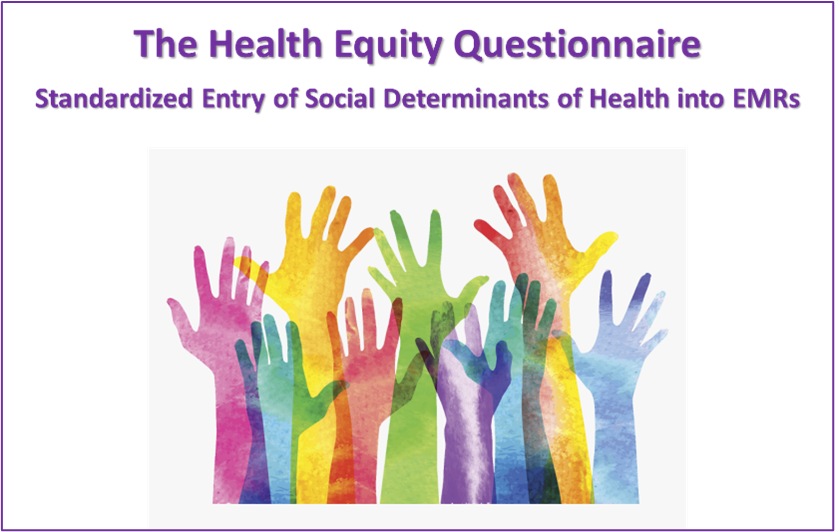
    The Health Equity Questionnaire: Standardized Entry of Social Determinants of Health into EMRs. Below are a group of hands in different watercolours reaching upwards

    To provide the most equitable care for our patients we need to know their social determinants of health. Current EMR specifications don’t require that this information is included in the dataset for each patient and EMRs don’t provide a standardized way to enter it.

    The Health Equity Questionnaire (HEQ) has been developed to allow social determinants of health information to be entered into EMRs efficiently and in a standardized way, allowing it to be easily accessed, updated, and searched.

    Questions and data elements from an extensive set of existing tools were collected, prioritized, and distilled into a practical new format designed around provider workflows. Many stakeholders, including several EDI specialists, were consulted.

    At the time of a visit, clicking on the ‘HEQ’ button in the chart will bring up the Questionnaire form. The provider can then enter any information that may be relevant to the patient’s care and save it to the chart. Clicking the button again will bring up a new copy of the form which is pre-populated with any previously entered data and can be updated as needed. The form is designed to display all the information in an “at a glance” view which means that all the information is shown in one window without any clicking or scrolling.

    The questions can also be sent directly to the patient via secure messaging. They can then answer any of the questions that they’re comfortable with and their responses will be automatically entered directly into their charts. If an HEQ form is not already in the chart, then a new one will be created. If there is an existing form in the chart, then it will simply be updated with their responses.

    Care must be taken to ensure that the patient understands why the questions are being asked, that the information will be treated with the same confidentiality as the rest of their medical information, that it will only be used to provide them with the best care possible, and that they only need to provide whatever responses they’re comfortable with.

    A video demonstration of the tool is available here.

    The toolkit can be downloaded from the TELUS Health Practice Solutions Community Portal by navigating in Chatter to Groups, Active Groups and then the East Wellington Family Health Team group. Plans are in progress to migrate the toolkit to the other main EMRs as well.

    Questions and feedback are welcome and can be directed to Dr. Kevin Samson kevin.samson@ewfht.ca.

    Resources for social determinants of health
    Webinars and conference sessions

    Select Resources

    Food for Thought

    Updated Primary Care Data Reports for Ontario Health Teams
    INSPIRE PHC has posted the updated Primary Care Data Report for all of Ontario. These reports track key primary care health system indicators and guide attachment strategies in Ontario Health Teams (OHTs). The Primary Care Data Working Group produced reports specific to each OHT and are intended to provide a deeper understanding of the attributed population of each OHT. Find out more.

    Help shape the future of virtual health care in Ontario
    Help shape the future of virtual health care in Ontario! We are looking for patients and caregivers in Ontario to take a 15 to 20-minutes survey on the experiences and expectations with virtual care appointments as a patient or caregiver with a doctor, nurse, or another healthcare professional in a family practice. This study from the University of Toronto and the Bruyére Research Institute is led by Dr. Rachelle Ashcroft and Dr. Simone Dahrouge.

    To take the survey, please click one of the links below:

    As part of the recruitment efforts, primary care clinics will have the opportunity to receive a customized report based on the template regarding the experiences of their patients with virtual care. In addition, you can view the report last year on virtual care that was shared broadly to key decision makers. Should you be interested in participating or learning more, please contact Simon Lam, research coordinator, at sck.lam@utoronto.ca.

    Phase I Guidance for Clinically Appropriate Use of Virtual Care for Primary Care evaluation survey
    Ontario Health is conducting an evaluation of the ‘Phase I Guidance for Clinically Appropriate Use of Virtual Care for Primary Care’ developed in collaboration with an Expert Panel. You’re invited to complete this survey to capture your awareness of, access to and adoption of the Phase I Guidance for Clinically Appropriate Use of Virtual Care for Primary Care.   

    You may access the survey here.  

    The survey should take approximately 5-10 minutes to complete, and your responses will remain anonymous. If you have any questions or concerns regarding the survey, please do not hesitate to contact Mimosa Zhao by email at zhao@theevidencenetwork.com.


    Upcoming Events

    Sickle Cell Disease: A New Quality Standard for High-Quality Care in Ontario
    February 22, 2023, 12:00pm
    This session will introduce Ontario Health’s recently released Sickle Cell Disease quality standard and describe how it can drive quality improvement and improve care for Ontarians across the health system. Register here.

    Media Messaging on Equity: How do we do better?
    March 6, 2023, 4:30 pm
    The third-annual Vohra Miller Lectures in Critical Public Health Issues in collaboration with the Institute for Pandemics puts a spotlight on the media’s handling of equity issues, including health equity, during the COVID-19 pandemic and beyond. What are the forces that shape media coverage of equity matters? What does the future of the media landscape hold and, what are the possibilities? Register here.

    In Case You Missed It: Check out eBulletin #125 or other back issues here!
    Questions? Comments? Contact us at improve@afhto.ca.
  • Bits & Pieces: #AFHTO2022 materials and more

    Bits & Pieces: #AFHTO2022 materials and more

    Your Weekly News & Updates


    In This Issue  
    • #AFHTO2022 materials now available to all members
    • Is there a doctor on board? #AFHTO2023 help needed
    • Reminder: Lean Sigma Pink Belt for QIDSS
    • GoodLife member benefit- 25% off
    • Member stories
    • Long COVID: major findings, mechanisms, and recommendations and more
    • Seeking physicians for the CANHEART Improving Cholesterol Management Study
    • Seeking physician input on relational engagement in primary care
    • Upcoming events including COVID Therapeutics and more

    #AFHTO2022 materials now available to all members

    All members can now access 2022 conference resources! Find out more about what your peers are up to below.

    Resources

    On-Demand Sessions


    Is there a doctor on board? #AFHTO2023 help needed

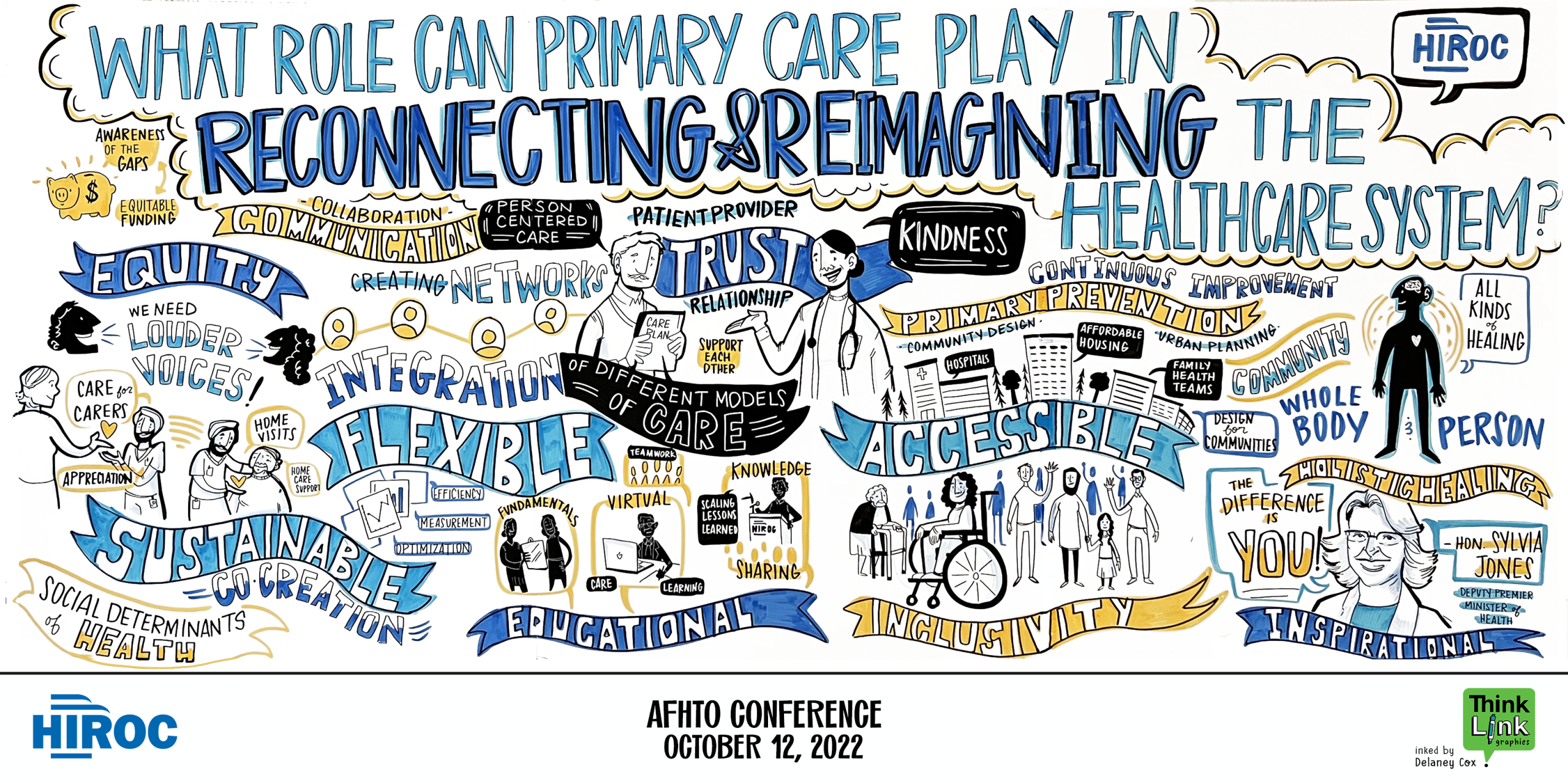
    The conversations taking place at the 2022 conference as captured by an artist hired by HIROC

     
    AFHTO offers Mainpro+ accreditation for our annual conference for physicians. To ensure we maintain the standards required, we invite a member physician to take part in ONE meeting in February to provide feedback and input on the themes and format for our 2023 event. We’ll provide the appropriate materials beforehand and will be available to answer any questions you might have. Please email paula.myers@afhto.ca ASAP if you’re interested. Deadline Jan. 25.


    Reminder: Lean Sigma Pink Belt for QIDSS
    As you may be aware, SRA Academy is offering the Digital Lean Sigma Pink Belt program, a 30-hour skills development program that provides tools to analyze problems and formulate solutions using Lean Six Sigma methodologies.

    If QIDSS haven’t already registered, please note that the deadline has been extended to Friday, January 20th. Through a generous partnership with the eHealth Centre of Excellence, there is no charge for the program and registration can be completed here: https://forms.office.com/r/sG7zLuBgpp. Please contact us at improve@afhto.ca if you have any questions.


    GoodLife member benefit- 25% off
    We know resolutions aren’t everyone’s thing, but enough people have checked in, so we thought we’d remind you- AFHTO members are eligible for a 25% discount on membership types. To take advantage of discounted rates, you need a membership ID assigned by AFHTO. As of Sep. 1, 2022, member IDs are generated upon request. These are sent to GoodLife monthly near the end of the month. To get your ID or be put on the list for one, please email info@afhto.ca.


    Member stories

    Thames Valley FHT:


    Long COVID: major findings, mechanisms, and recommendations and more

    Recent updates include:

    We continue to update multiple pages on our site with resources and news:

    Novel Coronavirus (COVID-19) Updates– the original page, with news and updates. You can find links to related pages here as well.


    Seeking physicians for the CANHEART Improving Cholesterol Management Study

    Researchers at The Knowledge Translation (KT) Program at St. Michael’s Hospital and Women’s College Hospital are collaborating on a study to improve lipid management and cardiovascular health in Ontario.

    The Community Heart Outcomes Improvement and Cholesterol Education Study (CHOICES) is an Ontario research study being conducted in certain health regions in Ontario with higher-than-average rates of cardiovascular disease. The study is being funded as part of Canada’s Strategy for Patient-Oriented Research (SPOR) and by the Canadian Institutes of Health Research (CIHR). CHOICES will involve implementing a ‘toolbox’ for cholesterol management to inform and empower people when it comes to the appropriate management of their cholesterol and cardiovascular health. The tools within this ‘toolbox’ will be widely distributed in the high-risk health regions, to allow people to work with their primary care physician and share in the decision-making process together.

    They’re recruiting physicians to complete a brief 10-minute survey assessing their insights on lipid management practices and the CHOICES materials. Find out more here. If you are interested, please complete the following survey here.


    Seeking physician input on relational engagement in primary care

    “In a 2017 article in the Rambam Maimonides Medical Journal, author Henri Zukier writes, “As the distance between physician and patient has grown, so has the empirical evidence for the inherently relational nature of medicine… The interaction between doctor and patient, like the interaction between body and mind, is increasingly recognized as an inextricable process and as a central component of therapeutic intervention” (p. 2).  

    Despite this, little to no research exists in which the relational engagement of primary care physicians has been explored.  Given this gap in knowledge, as well as the current cultural climate in which physicians are often vilified and a general distrust in the medical profession has arisen, it seems both important and timely to better understand – and be able to communicate with others – how and why physicians approach and participate in relationship with patients as they do.  

    The purpose of this study, then, is to better understand how physicians operating in the context of primary health care engage relationally with their patients, as such knowledge may contribute much to not only the medical profession but also cultural attitudes more broadly.”

    Find out more here. If you have any questions, please contact Aaron Smith at aaronsmith@tyndale.ca or 519-774-4747.


    COVID Therapeutics, Jan. 20, 2023
    55th in OCFP and UofT’s series “Changing the way we work” on Friday, January 20, 2023, at 7:55-9:15 am. Register here.


    Introduction to CARF Network Standards for OHTs, Jan. 24, 2023
    CARF Canada is hosting a complimentary webinar to describe the relevance of their Network standards for organizations working in partnership for service delivery. Register here.


    OCFP 2023 Family Medicine Summit, Jan. 27-28, 2023
    Features two livestream days on Jan 27 & 28, plus additional pre-recorded sessions. Find out more here.


    ECHO Ontario Conference 2023, Jan. 27, 2023
    Virtual event, titled Integrated Health Systems and the ECHO Model: Lessons Learned in Ontario. Register here.

  • QI in Action eBulletin #125: Patient and Family support for pregnancy loss

    In this Issue:

    • Patient with a pregnancy loss? There is support – for you, and for families
    • Primary care clinicians can directly refer frontline health workers to psychological practitioners for MOH-covered psychological treatment
    • Mental Health Resources
    • CMHA Ontario’s Your Health Space
    • The Indigenous Voice | Daadibaajimo
    • Virtual Care Guidance Statements Checklist for Clinicians and other resources
    • Upcoming Events


    Patient with a pregnancy loss? There is support – for you, and for families
    Content developed by Pregnancy and Infant Loss (PAIL) Network

    Lisa Marie Buccella stands in front of a group of health care workers and shares tips for engaging with patients experiencing possibly one of the worst events of their lives: losing a baby.

    As a parent who has had a loss, she provides feedback on what wasn’t very helpful: Never start a sentence with “At least you have other children…” or “Just be grateful for…”. The room is clearly engaged and pipe up with questions. Families with an experience of pregnancy and infant loss will also share the importance of being connected with meaningful support, and how validating it feels for a professional to offer information and a referral.  

    Offered by Sunnybrook’s Pregnancy and Infant Loss (PAIL) Network, the workshop is just one example of a resource for professionals to help support bereaved parents and families during a loss. PAIL Network also offers suggestions for communication with families, memory making, forming bereavement committees, and practical information and handouts for families on issues like lactation after loss and employment leave.

    For families living in Ontario, PAIL Network organizes peer-led group and individual support services at no cost. The supports are comprehensive, including groups for each trimester of loss, and groups focused on infant/neonatal loss, SIDS, termination of pregnancy, pregnancy after loss, partners in grief and grief after abortion. Referring a family for support can be done online by any health care or service professional through a secure form that is sent directly to PAIL Network and ensures that a family will be contacted to be connected with peer support online or over the phone.

    We encourage you to check out their resources and consider signing up for a session as well as ordering handouts to support families. For more information, visit Pregnancy and Infant Loss (PAIL) Network.

    Primary care clinicians can directly refer frontline health workers to psychological practitioners for MOH-covered psychological treatment
    Content below developed by Ontario Psychological Association

    Primary care providers can now refer patients directly to psychologists from their Electronic Medical Record system (EMR) enabling increased access to timely specialized mental health services. The new development is made possible through a partnership between the Ontario Psychological Association and Ontario’s eServices Program which saw the integration of the Ocean and Strata Health e-referral platforms thereby allowing family physicians, nurse practitioners, and other primary care providers to connect with psychologists.
     
    The Covid-19 Psychological Support Program, funded by the Ministry of Health, ensures that frontline health workers can receive up to 12 psychotherapy sessions with a registered psychologist or psychological associate at no cost. Primary care clinicians wishing to learn more can email opa@psych.on.ca or read our e-referral guidelines for more details. For a demo, please click here.

    Mental Health Resources
    Webinars

    Select Resources

    CMHA Ontario’s Your Health Space
    Just a reminder that the Canadian Mental Health Association, Ontario has launched Your Health Space, a free mental health service for Ontario’s health care organizations. This program provides the training, resources, and tools needed to encourage complex conversations about stress and burnout and promote psychological health and safety in health care workplaces.

    Your Health Space offers self-directed modules and live workshops, the latter of which can be tailored to your organization’s unique needs. This programming is delivered through three distinct spaces designed to address the needs of 1) Leaders, 2) Health Care Workers, and 3) Support Staff working within an organization. Furthermore, Your Health Space has a team of trainers across Ontario that are available to facilitate workshops virtually or in person, at your workplace. Upon completion of the program, primary care teams will receive a digital badge and individuals will receive a digital certificate.

    If you are an organizational leader interested in bringing this free program to your workplace, please visit www.yourhealthspace.ca or contact yourhealthspace@ontario.cmha.ca.

    The Indigenous Voice | Daadibaajimo
    Content developed by IPHCC

    The IPHCC recently launched a public facing newsletter titled: Indigenous Voice | Daadibaajimo to keep the audience informed on how we are improving Indigenous health outcomes and supporting the advancement and evolution of Indigenous primary health care services throughout Ontario. This newsletter is designed for both non-Indigenous and Indigenous audiences as it entails specific content and resources to promote education and awareness about Indigenous Peoples. To learn more about how the IPHCC is shaping Indigenous health care, subscribe to our newsletter here or send an email to communications@iphcc.ca. Click here to view the past issue.

    Virtual Care Guidance Statements Checklist for Clinicians and other resources
    The Virtual Care Guidance Statements Checklist for Clinicians and other support tools for the Clinically Appropriate Use of Virtual Care Guidance in Primary Care are now live on the Ontario Health website. They are currently available in English and French. For feedback/questions, email PCP.Gudance@ontariohealth.ca.

    Upcoming Events

    ECHO Ontario Child and Youth Mental Health
    Beginning January 19, 2023, 12:00-1:00 pm
    Many Ontarian children and youth live in remote and underserved communities. Eighteen percent of Ontarians live in rural areas, where only 2% of the province’s child psychiatrists live. ECHO Ontario CYMH aims to change diagnostic, prescribing, treatment and referral practices of Primary Care Providers (PCPs) who are caring for children and youth with mental health problems. Register here.


    In Case You Missed It: Check out eBulletin #124 or other back issues here!
    Questions? Comments? Contact us at improve@afhto.ca.
  • Bits & Pieces: The experience of primary care teams during the early phase of COVID-19 and more

    Bits & Pieces: The experience of primary care teams during the early phase of COVID-19 and more

    Your Weekly News & Updates


    In This Issue  
    • The experience of primary care teams during the early phase of COVID-19
    • Member stories
    • Evidence of value- Enhanced Primary Care Diabetes (EPCD) team model
    • Corrected link – Healthcare Excellence Canada Opportunity: Partnering on Appropriate Virtual Care
    • Ontario Caregiver Organization 2022 Spotlight Report
    • Updated Post-Covid-19 Condition guidance, vaccination deserts and more
    • Help shape the future of virtual health care in Ontario
    • Comparison of bleeding risk between Rivaroxaban and Apixaban in patients with atrial fibrillation
    • Upcoming events including COVID Therapeutics and more


    The experience of primary care teams during the early phase of COVID-19

    Now published in BMC Primary Care are the results of “The experience of primary care teams during the early phase of COVID-19: A qualitative study of primary care practice leaders in Ontario, Canada”.

    Seventy-one Executive Directors from across all regions of Ontario were interviewed for the study, representing 37% of the AFHTO member clinics. Four themes were identified in the data: i) Complexities of Virtual Care, ii) Continuation of In-person Care, iii) Supporting Patients at Risk, and iv) Stepping up and into New Roles.

    Thank you to all the EDs and Admin Leads who provided your insights. Read more here.


    Member stories

    Espanola FHT – nurse wins prestigious award

    North Simcoe FHT- New clinic offers help for those with COVID-19, flu symptoms

    St. Michael’s Hospital Academic FHT – What the rest of the country can learn from Ontario’s family doctor payment model


    Evidence of value- Enhanced Primary Care Diabetes (EPCD) team model

    Staff clinician group with access to the model found to improve their diabetes care quality, but more research needed- “Evaluation of an Enhanced Primary Care Team Model to Improve Diabetes Care”, The Annals of Family Medicine, November 2022


    Corrected link – Healthcare Excellence Canada Opportunity: Partnering on Appropriate Virtual Care

    The Partnering on Appropriate Virtual Care collaborative will support primary care practices, organizations, and multidisciplinary teams from across Canada to determine when and how virtual care should be used in their respective healthcare settings. Participants will receive up to $20,000 in seed funding to develop a framework that supports shared decision-making with patients, ensuring choices around virtual care are based on patient needs and capabilities, their care requirements and clinician capacity. This program runs between January and November 2023 and involves a range of online learning and design activities. Learn more about the program and how to apply here.


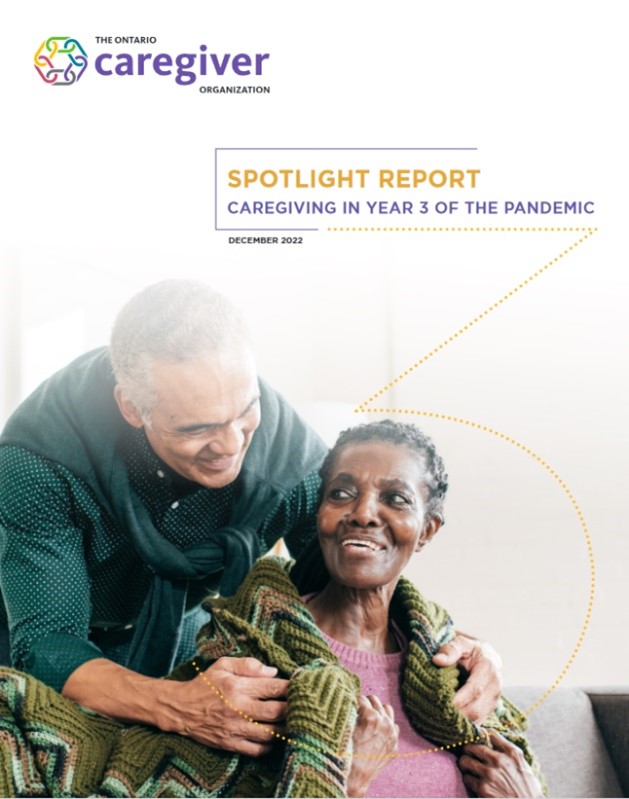
    a black man with greying hair places a throw blanket on the shoulders of an older black woman sitting in front of him as they smile at each other


    Ontario Caregiver Organization 2022 Spotlight Report

    One in four caregivers say their caregiving responsibilities have become more difficult since the easing of Covid-19 restrictions.

    Each year, the Ontario Caregiver Organization looks at the caregiving experience in Ontario and how family caregivers are coping in their role. Although much has changed since 2021’s report, what hasn’t changed is the impact caregiving is having on caregivers. Read the full report here.


    Updated Post-Covid-19 Condition guidance, vaccination deserts and more

    Recent updates include:

    We continue to update multiple pages on our site with resources and news:

    Novel Coronavirus (COVID-19) Updates– the original page, with news and updates. You can find links to related pages here as well.


    Help shape the future of virtual health care in Ontario

    Help shape the future of virtual health care in Ontario! We are looking for patients and caregivers in Ontario to take a 15 to 20-minutes survey on the experiences and expectations with virtual care appointments as a patient or caregiver with a doctor, nurse, or another healthcare professional in a family practice. This study from the University of Toronto and the Bruyére Research Institute is led by Dr. Rachelle Ashcroft and Dr. Simone Dahrouge.

    To take the survey, please click one of the links below:

    As part of our recruitment efforts, we are offering primary care clinics the opportunity to receive a personalized survey link and provide a custom report on the experiences of your patients. If this opportunity interests you, please contact Simon Lam, research coordinator, at sck.lam@utoronto.ca.


    Comparison of bleeding risk between Rivaroxaban and Apixaban in patients with atrial fibrillation

    Dr. Lana Castellucci, Thrombosis Physician and General Internist at The Ottawa Hospital, is leading the COBRRA AF trial (COmparison of Bleeding Risk between Rivaroxaban and Apixaban in patients with Atrial Fibrillation). The aim is to evaluate the safety and bleeding risks of apixaban compared to rivaroxaban for stroke prevention in atrial fibrillation (AF) and atrial flutter (AFL). Current guidelines do not support using one agent over another, but data suggests apixaban has lower bleeding risks. This trial will be the first to directly compare these anticoagulants for bleeding events in AF and to determine the safest treatment.
    We invite you to refer your patients with newly diagnosed AF/AFL to The Ottawa Hospital Thrombosis Unit to be considered for participation. Materials:

    Please note, these documents are meant for staff only, and not for the patients. Please let us know if you have any questions. 


    Primary Care and COVID-19 Support CoP Monthly Call, Jan. to Jul. 2023
    The Community of Practice hosted by Ontario Health to support Primary Care and Covid-19, holds monthly calls, and the new registration link for the first 7 months in 2023 is available. Register here.


    ECHO Programs at UHN, starting Jan 12, 2023

    • Liver Starting Jan. 16
    • Concussion Resumes Jan. 18
    • Chronic Pain/Opioids Starting Jan.12
    • Rheumatology Starting Jan. 14

    Register here.


    COVID Therapeutics, Jan. 20, 2023
    55th in OCFP and UofT’s series “Changing the way we work” on Friday, January 20, 2023, at 7:55-9:15 am. Register here.


    Introduction to CARF Network Standards for OHTs, Jan. 24, 2023
    CARF Canada is hosting a complimentary webinar to describe the relevance of their Network standards for organizations working in partnership for service delivery. Register here.


    OCFP 2023 Family Medicine Summit, Jan. 27-28, 2023
    Features two livestream days on Jan 27 & 28, plus additional pre-recorded sessions. Find out more here.


    ECHO Ontario Conference 2023, Jan. 27, 2023
    Virtual event, titled Integrated Health Systems and the ECHO Model: Lessons Learned in Ontario. Register here.

  • Bits & Pieces: market salary review underway and more

    Bits & Pieces: market salary review underway and more

    Your Weekly News & Updates


    In This Issue  
    • Market salary review underway
    • Reminder- Climate Conscious Inhaler Prescribing, Dec. 8
    • Member stories
    • Supporting Caregivers webinar materials available
    • Highlights and implications of the Ontario Science Table’s brief on primary care materials available  
    • The latest on COVID, Influenza and Respiratory Viruses materials and more
    • New guidance for OHTs
    • Upcoming events including Ontario Health’s Mental Health and Addictions Provincial Data and Digital Initiative Webinar and more


    Market salary review underway

    The Community Health Compensation Working Group – representing ten provincial associations – has retained Eckler Ltd. consulting services to conduct a community health market salary review for Ontario. The review will include interprofessional primary care, community support services, community mental health, and long-term care.

    The final report will give us greater insight into wage disparities for 78 positions across primary and community care sectors. It is estimated that this work will be completed in spring 2023, and final recommendations will be presented to the government to support discussions on reasonable and fair compensation.

    For additional information, please visit AFHTO’s website. We will keep you updated as the work progresses.

    If you have questions, please reach out to Abisola at: abisola.otepola@afhto.ca.


    Reminder- Climate Conscious Inhaler Prescribing, Dec. 8

    Metered dose inhalers produce significant carbon emissions. Ironically, these contribute to changes to the climate that can exacerbate respiratory conditions. Simple practice changes can help disrupt this cycle and lessen the health sector’s contributions to climate change. Register here.


    Member stories

    Belleville NPLC – Belleville NPLC provides care for unattached newborns
     
    Minto- Mapleton FHT – OPINION: nurse practitioners uniquely positioned to fill gaps in ailing health care system


    Screenshot of learning objectives

    Supporting Caregivers webinar materials available
    On Nov. 24 The Ontario Caregiver Organization and Primary Care Collaborative hosted a webinar ‘Supporting Caregivers Supports Patients- The Critical Role of Primary Care in Preventing Caregiver Burnout’. This included insights from a caregiver with lived experience, as well as examples of primary care initiatives across Ontario that are connecting caregivers to support. Slides and video are now available.


    ON science table webinar title slide screenshot

    Highlights and implications of the Ontario Science Table’s brief on primary care materials available 
    On November 30 we held a webinar on the Ontario COVID-19 Science Advisory Table’s final brief, a 3-part exploration of how primary care responded to and was affected by the pandemic, and implications for ongoing health system planning and policy. In this webinar, a panel of primary healthcare experts who contributed to that brief shared some of the most significant findings and implications. Slides and video are now available.


    The latest on COVID, Influenza and Respiratory Viruses materials and more

    Recent updates include:

    We continue to update multiple pages on our site with resources and news:

    Novel Coronavirus (COVID-19) Updates– the original page, with news and updates. You can find links to related pages here as well.


    New guidance for OHTs


    Ontario Health’s Mental Health and Addictions Provincial Data and Digital Initiative Webinar, Dec. 12, 2022
    Part of a quarterly series designed to share regular updates and gather feedback on the initiative. Register here.


    IFIC Canada and Health System Performance Network Virtual Community, Dec. 20, 2022
    A key component of integration is the role of partnering with the volunteer sector to improve outcomes for our patients, caregivers, and our population. Take a deep dive to learn firsthand about the role of engaging the volunteer sector. Register here.


    ADVANCE Special Topics series – Balancing Task and Process in Leading Integrated Care Systems, Jan. 9, 2023

    Hosted by RISE. Professor Robin Miller, University of Birmingham in the UK, will discuss the promise and pitfalls of collaborative leadership within integrated care systems and how attending to process can support inter-sectoral teams to achieve the aim of collaborative governance. Register here.


    Healthcare Decision-Making in Ontario, Jan. 10-31, 2023
    Four-part webinar series hosted by Hospice Palliative Care Ontario. Facilitated by Jane Meadus, the Advocacy Centre for the Elderly (ACE), you can join to learn what you need to know about consent, capacity and healthcare decision making in Ontario. Register here.


    Primary Care and COVID-19 Support CoP Monthly Call, Jan. to Jul. 2023
    The Community of Practice hosted by Ontario Health to support Primary Care and Covid-19, holds monthly calls, and the new registration link for the first 7 months in 2023 is available. Register here.

  • Bits & Pieces: update on the Ministry request memo and more

    Bits & Pieces: update on the Ministry request memo and more

    Your Weekly News & Updates


    In This Issue  
    • Update on the Ministry request memo and more
    • Refer frontline health workers to psychological practitioners for MOH-covered treatment
    • Reminder- Supporting Caregivers Supports Patients- The Critical Role of Primary Care in Preventing Caregiver Burnout, Nov. 24
    • Recruiting for study on healthcare providers and sex trafficking
    • Strategies to improve antibiotic use in primary care
    • TechSoup courses- disaster planning and cybersecurity
    • Have thoughts on how social work practice is organized and supported in primary care?
    • Exceptions to the Prescription Drug List- deadline Nov. 29
    • Upcoming events including Routine childhood vaccination: How to address lapses during COVID-19 and more


    Update on the Ministry request memo and more

    Recent updates include:

    We continue to update multiple pages on our site with resources and news:

    Novel Coronavirus (COVID-19) Updates– the original page, with news and updates. You can find links to related pages here as well.


    Refer frontline health workers to psychological practitioners for MOH-covered treatment

    Primary care providers can now refer patients directly to psychologists from their EMR enabling increased access to timely specialized mental health services. This is possible through a partnership between the Ontario Psychological Association and Ontario’s eServices Program, which saw the integration of the Ocean and Strata Health e-referral platforms thereby allowing family physicians, nurse practitioners, and other primary care providers to connect with psychologists.
     
    The Covid-19 Psychological Support Program, funded by the Ministry of Health, ensures that frontline health workers can receive up to 12 psychotherapy sessions with a registered psychologist or psychological associate at no cost. To learn more email opa@psych.on.ca or read their e-referral guidelines for more details.
     
    This builds on a prior collaboration between AFHTO, NPAO, OCFP, NPLCA, OMA’s section of General & Family Practice, and the Alliance for Healthier Communities.


    Reminder- Supporting Caregivers Supports Patients- The Critical Role of Primary Care in Preventing Caregiver Burnout, Nov. 24

    Co-hosted by The Ontario Caregiver Organization and the Primary Care Collaborative, this webinar will include insights from a caregiver with lived experience, as well as examples of primary care initiatives across Ontario that are connecting caregivers to support. Register here.


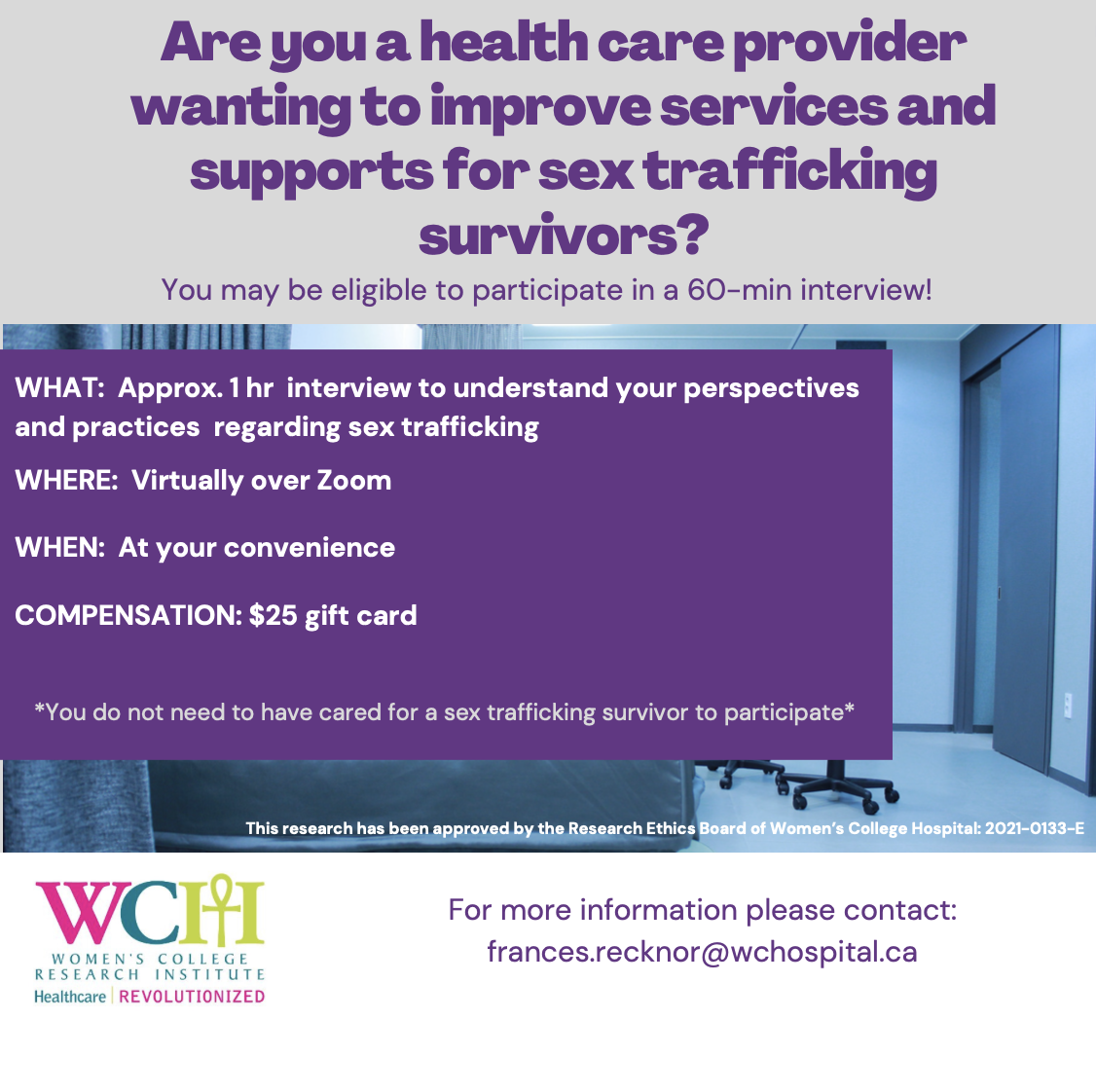
    Are you a healthcare provider wanting to improve services and supports for sex trafficking survivors?

    Recruiting for study on healthcare providers and sex trafficking
    Women’s College Research Institute seeks social workers, nurses and physicians who live and work in Ontario to discuss their thoughts and experiences regarding the domestic sex trafficking of adolescents and adults in Canada.   
     
    “In Canada, there has been limited research on sex trafficking, especially in adult populations and from a healthcare perspective. By attending to healthcare providers’ thoughts and experiences as professionals regarding domestic sex trafficking of adolescents and adults in Ontario, Canada, we can build an understanding of the gaps in care for this population and areas in which care can be improved.”   

    For further information please contact frances.recknor@wchospital.ca.


    Strategies to improve antibiotic use in primary care
    Nov. 18-24 is World Antimicrobial Awareness Week. To help promote this year’s campaign and to reinforce their commitment to the fight against antimicrobial resistance (AMR), PHO has published new fact sheets, Strategies to Improve Antibiotic Use in Primary Care.


    TechSoup courses- disaster planning and cybersecurity


    Have thoughts on how social work practice is organized and supported in primary care?

    This study from the University of Toronto is looking to host one more focus group for social workers who haven’t had the chance to share their experience and perspectives on how social work practice has shifted during the pandemic. Participants will take part in a 60-minute focus group with other social workers in primary care.
     
    Led by Dr. Rachelle Ashcroft, Associate Professor at the Factor-Inwentash Faculty of Social Work, it’s supported by AFHTO and OASW.
     
    If you’re interested in participating, please send an email to Simon at sck.lam@utoronto.ca and include the clinic you work in.


    Exceptions to the Prescription Drug List- deadline Nov. 29

    Health Canada’s initial consultation on exceptions to the Prescription Drug List will close on Tuesday, November 29.
    You can participate in this consultation and provide feedback about which existing exceptions are still needed and why on their site. For more information, you can watch this recorded webinar.


    Routine childhood vaccination: How to address lapses during COVID-19, Nov. 24, 2022

    Accredited webinar offered by the Canadian pediatric Society and co-developed with Public Health Agency of Canada. Register here.


    Trauma Informed Care for Primary Care Providers: A Four-Part Series, Nov. 24- Dec. 15, 2022

    Free special series by ECHO Ontario Child and Youth Mental Health. Register here.


    Collaborative Health Governance in a Time of Deep Uncertainty, Nov. 25, 2022

    In this View From the Top session, held by McMaster University, guest speakers, Helen Bevan, Jodeme Goldhar and Stacey Daub will discuss why radical collaboration and collaborative governance make a difference for population health, healthcare, and wellbeing. Register here.


    Highlights and implications of the Ontario Science Table’s brief on primary care, Nov. 30, 2022

    On October 3, 2022, the Ontario COVID-19 Science Advisory Table (OST) released its final brief, a 3-part exploration of how primary care responded to and was affected by the pandemic, and implications for ongoing health system planning and policy. In this webinar, you will hear from a panel of primary healthcare experts who contributed to that brief, as they share some of the most significant findings and implications. Register here.


    NEW Patient Safety Learning Community of Practice, Dec. 6, 2022

    The Quality and Patient Safety Team at Ontario Health kicks off the new community of practice focused on developing robust processes to track, prevent and learn from patient safety incidents. Register here.


    Climate Conscious Inhaler Prescribing, Dec. 8

    Metered dose inhalers produce significant carbon emissions. Ironically, these contribute to changes to the climate that can exacerbate respiratory conditions. Simple practice changes can help disrupt this cycle and lessen the health sector’s contributions to climate change.

    Register here.

  • QI in Action eBulletin #123: HFHT Green Initiative, Clinically Appropriate Use of Virtual Care Guidelines

    In this Issue:

    • The HFHT Green Initiative
    • Clinically Appropriate Use of Virtual Care- Guidance for Primary Care
    • Primary care clinicians can how directly refer frontline health workers to psychological practitioners for MOH-covered psychological treatment
    • Evidence2Practice Ontario Program
    • Upcoming Events

    The HFHT Green Initiative
    Content below developed by Hamilton FHT

    The HFHT Green Initiative is an interprofessional team developing practical solutions to improve patient healthcare outcomes while simultaneously reducing climate change. The initiative provides a free and evidence-based program which includes an action-based checklist, poster orders (1148 so far delivered), a monthly newsletter (17 sent so far), a CFPC Mainpro+ accredited webinar series (212 attendees thus far), an infographic series (31 different topics), 2 waiting room videos, 2 EMR-embedded prescription templates, patient-facing group education, resource kits, and project support.

    Since its launch in 2019, this project has supported environmental efforts in 19 different Ontario Family Health Teams as well as additional primary care teams across Ontario and Canada and has helped direct the efforts of our local OHT as well as national sustainable health care initiatives such as CASCADES. For more information, please contact the HFHT Green Team at green.team@hamiltonfht.ca.

    The Hamilton FHT’s Green Initiative recently presented a disease prevention webinar highlighting practical tools that will make cancer screening and smoking cessation easier in both the clinical setting and for QI projects. Please watch this 20 min webinar recording to hear family physician and project lead Dr. Meghan Davis speak about:

    • Understanding how cancer screening/smoking cessation is good for our patients and the environment
    • Accessing a cancer screening dashboard for teams and individual practices  
    • The Screening Activity Report
    • Finding patients who were lost to follow-up after screening positive
    • A new digital patient communication pathway for ordering FITs
    • Managing colonoscopy results
    • Providing paps: Pathway for interprofessional health care training & updated guidelines
    • Guidelines for mammograms post-COVID-19 vaccine
    • Videos for your waiting room
    • Helping patients to quit smoking

    Clinically Appropriate Use of Virtual Care- Guidance for Primary Care
    Ontario Health recently released new virtual care guidance materials for primary care clinicians. The “Clinically Appropriate Use of Virtual Care Guidance for Primary Care” aims to help primary care clinicians feel supported in the decisions they make related to the planning and delivery of virtual care. This is ‘phase one’ of the virtual care guidance for primary care. More detailed virtual care guidance will be released in the future, including materials focused on other specialties and areas of care. The virtual care guidance materials can be accessed here in English and French. Click here to watch the Ontario Health Community of Practice recording from November 9 where Dr. Kaplan and Dr. Bordman speak about the guidance document.

    Primary care clinicians can now directly refer frontline health workers to psychological practitioners for MOH-covered psychological treatment
    Content below developed by Ontario Psychological Association

    Primary care providers can now refer patients directly to psychologists from their Electronic Medical Record system (EMR) enabling increased access to timely specialized mental health services. The new development is made possible through a partnership between the Ontario Psychological Association and Ontario’s eServices Program which saw the integration of the Ocean and Strata Health e-referral platforms thereby allowing family physicians, nurse practitioners, and other primary care providers to connect with psychologists.
     
    The Covid-19 Psychological Support Program, funded by the Ministry of Health, ensures that frontline health workers can receive up to 12 psychotherapy sessions with a registered psychologist or psychological associate at no cost. Primary care clinicians wishing to learn more can email opa@psych.on.ca or read our e-referral guidelines for more details.
     
    This work builds on a prior collaboration between the Association of Family Health Teams of Ontario (AFHTO), the Nurse Practitioners’ Association of Ontario (NPAO), the Ontario College of Family Physicians (OCFP), the Nurse Practitioner-Led Clinic Association, Ontario Medical Association’s (OMA) section of General & Family Practice, and the Alliance for Healthier Communities. For a demo, please click here.  

    Evidence2Practice Ontario Program
    Content below developed by Centre for Effective Practice

    CEP is proud to lead the launch of Evidence2Practice Ontario (E2P) and its first set of digital tools and supports for heart failure. Co-led with the eHealth Centre of Excellence and North York General Hospital, E2P is a province-wide initiative developed to strengthen and support the delivery of evidence-based care and best practice in primary and acute care settings. The first E2P tool, developed in the Telus PSS EMR, focuses on enhancing care of patients with suspected or diagnosed heart failure.

    CEP’s renowned academic detailing service and accompanying clinical tools on heart failure are available to further support primary care providers. Tools and supports in additional EMRs (e.g., Oscar and Accuro QHR) will follow in 2023, focused on supporting adult patients living with major depression, anxiety disorders and type 2 diabetes. Click here to learn more.


    Upcoming Events

    Evidence2Practice Ontario
    Friday, November 18, 2022, 12-1 pm
    Evidence2Practice Ontario is co-hosting a webinar with Ontario Health: Dr. David Kaplan, Vice President, Quality at Ontario Health, and Young Lee, Vice President, Corporate Performance and Digital Health Innovation at North York General Hospital will provide an overview of how this key initiative is embedding quality standards into health information systems to support clinician adoption. Register here.

    CCHL Webinar: Leading Climate Resilient and Low Carbon, Sustainable Health Systems
    Tuesday, November 22, 2022, 12-1 pm
    Climate and environmental change pose accelerating and complex threats for 21st century health systems- and these modern health systems are a significant contributor to global carbon emissions. Increasingly, the executive boards, and healthcare staff leading Canada’s health systems are recognizing the need to address these challenges. New Leadership and Governance standards include explicit requirements to consider environmental stewardship, with implications for patient engagement, enterprise risk management plans, capital investment plans, talent management and acquisition, procurement policies and practices and budgeting. Click here to register.

    Infection Prevention and Control in Primary Care “Spread Prevention- Not Infection”
    Wednesday, November 23, 2022, 12:30-2 pm
    The Hamilton Family Health Team’s Patient and Provider Safety committee has planned a virtual IPAC information session with their partners from Public Health Ontario and Hamilton Public Health Services. The content shared will be focused on increasing the learner’s knowledge of current IPAC trends as well as providing practical strategies for primary care providers to enhance IPAC practices in their clinical setting. Click here to register.

    Supporting Caregivers Supports Patients- The Critical Role of Primary Care in Preventing Caregiver Burnout
    Thursday, November 24, 2022, 12-1 pm
    Primary care providers can play a key role in preventing burnout and enhancing caregiver well-being by initiating early interventions and connecting caregivers to support. Co-hosted by The Ontario Caregiver Organization and the Primary Care Collaborative, this webinar will include insights from a caregiver with lived experience, as well as examples of primary care initiatives across Ontario that are connecting caregivers to support. Click here to register.

    Highlights and Implications of the Ontario Science Table’s Brief on Primary Care
    Wednesday, November 30, 2022, 7:45-8:45 am
    On October 3, 2022, the Ontario COVID-19 Science Advisory Table (OST) released its final brief, a 3-part exploration of how primary care responded to and was affected by the pandemic, and implications for ongoing health system planning and policy. In this webinar, you will hear from a panel of primary healthcare experts who contributed to that brief, as they share some of the most significant findings and implications. To register, click here.

    Climate Conscious Inhaler Prescribing
    Thursday, December 8, 2022, 12-1 pm
    This webinar will explore the carbon footprint of healthcare systems and how inhalers contribute to it, examine two problems related to inhaler prescribing and imagine practice change that results in an immediate reduction in emissions: “high value, low carbon care”. To register, click here.


    In Case You Missed It: Check out eBulletin #122 or other back issues here!
    Questions? Comments? Contact us at improve@afhto.ca.
  • Bits & Pieces: memo to primary care from OH and more

    Bits & Pieces: memo to primary care from OH and more

    Your Weekly News & Updates


    In This Issue  
    • Memos to primary care, on operational direction and more
    • Health ministers’ meeting in Vancouver
    • Reminder- Supporting Caregivers Supports Patients- The Critical Role of Primary Care in Preventing Caregiver Burnout, Nov. 24
    • Virtual concussion occupational therapy services for teams
    • Moving towards an integrated health data ecosystem & QIP update
    • OLTCA convention call for content
    • Nominate high performing early career family physicians
    • IPHCC & PHAC seeking participants for short videos
    • Upcoming events including Evaluating program planning using an equity framework and more


    Memos to primary care, on operational direction and more

    Recent updates include:

    We continue to update multiple pages on our site with resources and news:

    Novel Coronavirus (COVID-19) Updates– the original page, with news and updates. You can find links to related pages here as well.


    Health ministers’ meeting in Vancouver

    screenshot of AFHTO news release

    “Mr. Duclos … added the federal government is also prepared to make bilateral agreements with provinces and territories on issues of shared priorities, such as increased access to family health teams and mental-health services.” Full article here.

    As the provincial and territorial health ministers gather in Vancouver to meet with the federal Minister of Health, the Hon. Jean-Yves Duclos, AFHTO remains hopeful that all parties share his priority of increasing access to primary care teams and that we will see much needed funding flow to the province through the Canada Health Transfer.

    Please read AFHTO’s statement here


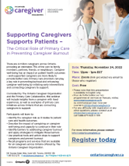
    OCO webinar flyer


    Reminder – Supporting Caregivers Supports Patients- The Critical Role of Primary Care in Preventing Caregiver Burnout, Nov. 24

    Primary care providers can play a key role in preventing burnout and enhancing caregiver well-being by initiating early interventions and connecting caregivers to support.

    Co-hosted by The Ontario Caregiver Organization and the Primary Care Collaborative, this webinar will include insights from a caregiver with lived experience, as well as examples of primary care initiatives across Ontario that are connecting caregivers to support. Register here.


    Virtual concussion occupational therapy services for teams

    The Neurology Centre of Toronto (NCT) has developed a concussion rehabilitation program that has been implemented and proven successful with an existing FHT in Ontario. The program provides patients with access to virtual concussion occupational therapy services and has been running successfully since March 2022.

    The patients in this program wouldn’t have access to this care otherwise, and the program has generated very positive feedback and results. Specifically, when surveyed after completing this program:

    • 33% of patients demonstrated an improvement in daily activity tolerance
    • 67% of patients demonstrated an improvement in their symptom scores, and
    • 83% reported satisfaction with the program.

    NCT would like to extend this service to other teams (including NPLCs and CHCs) in need of concussion rehabilitation services to support their patients. Please contact Jenni Diamond, Occupational Therapist and Program Director, to discuss the details and how it may fit within your team: jenni.diamond@numinus.com.


    Moving towards an integrated health data ecosystem & QIP update


    OLTCA convention call for content

    Taking place March 27-29, the Ontario Long Term Care Association (OLTCA) in partnership with the Ontario Retirement Communities Association (ORCA) are hosting the Together We Care 2023 Convention in person. The TWC Call for Content is now accepting abstracts. For a full list of program streams and to submit an abstract, please visit their site. Deadline November 21, 2022, at 4:00 pm EST.


    Nominate high performing early career family physicians

    Dr. Monica Aggarwal at the University of Toronto is conducting a study that will identify the key capabilities and competencies of high-performing family medicine graduates. This will help inform how learning, teaching and assessment can be improved in family medicine residency programs in Canada.

    She’s looking for nominations for high-performing early-career family physicians (based on the criteria identified here). If you have a nominee, please contact monica.aggarwal@utoronto.ca.


    IPHCC & PHAC seeking participants for short videos

    The Indigenous Primary Health Care Council is looking for both health care staff as well as general population participants for the creation of short videos.

    Created in collaboration with the Public Health Agency of Canada, the videos aim to increase knowledge about the importance of vaccination, build vaccine confidence, and address barriers to accessing vaccination services. An honorarium will be provided. Please see the flyer for more information.


    ONCA A Year Later: the 100 Most Asked Questions, Nov. 10, 2022
    Hosted by Community Legal Education Ontario, who have compiled the most frequently asked questions into a database and want to share what they have learned. Register here.


    Infection Prevention & Control in Primary Care, Nov. 23, 2022
    Hosted by Hamilton FHT and Public Health Ontario. Find out more here.


    Evaluating program planning using an equity framework, Nov. 23, 2022
    To plan for an expansion of healthcare services in newly developed neighbourhoods, a planning initiative was conducted to better understand the needs of the population. Ensuring equity of care was identified as a priority for this initiative.

    CCHL Forum webinar featuring speakers from Ontario Health, North York FHT and Queen Square FHT. Register here.


    Highlights and implications of the Ontario Science Table’s brief on primary care, Nov. 30

    On October 3, 2022, the Ontario COVID-19 Science Advisory Table (OST) released its final brief, a 3-part exploration of how primary care responded to and was affected by the pandemic, and implications for ongoing health system planning and policy. In this webinar, you will hear from a panel of primary healthcare experts who contributed to that brief, as they share some of the most significant findings and implications. Register here.


    Climate Conscious Inhaler Prescribing, Dec. 8

    Metered dose inhalers produce significant carbon emissions. Ironically, these contribute to changes to the climate that can exacerbate respiratory conditions. Simple practice changes can help disrupt this cycle and lessen the health sector’s contributions to climate change.

    Register here.

  • Bits & Pieces: preventing caregiver burnout and more

    Bits & Pieces: preventing caregiver burnout and more

    Your Weekly News & Updates


    In This Issue  
    • Supporting Caregivers Supports Patients- The Critical Role of Primary Care in Preventing Caregiver Burnout, Nov. 24
    • Climate Conscious Inhaler Prescribing, Dec. 8
    • MOH booster communications toolkit and more
    • TUTOR-PHC call for applications
    • Seeking input on how to improve person-centred osteoarthritis care
    • Upcoming events including ONCA A Year Later: the 100 Most Asked Questions and more

    Supporting Caregivers Supports Patients- The Critical Role of Primary Care in Preventing Caregiver Burnout, Nov. 24
    Primary care providers can play a key role in preventing burnout and enhancing caregiver well-being by initiating early interventions and connecting caregivers to support.

    Co-hosted by The Ontario Caregiver Organization and the Primary Care Collaborative, this webinar will include insights from a caregiver with lived experience, as well as examples of primary care initiatives across Ontario that are connecting caregivers to support. Register here.


    Climate Conscious Inhaler Prescribing, Dec. 8

    Metered dose inhalers produce significant carbon emissions. Ironically, these contribute to changes to the climate that can exacerbate respiratory conditions. Simple practice changes can help disrupt this cycle and lessen the health sector’s contributions to climate change.

    Learning outcomes:

    • Explore the carbon footprint of healthcare systems and how inhalers contribute to it
    • Examine two problems related to inhaler prescribing
    • Imagine practice change that results in immediate reduction in emissions: “high value, low carbon care”

    Register here.


    Graphic of purple vaccine vial, with another transparent vial behind it on a light blue background. below, text says


    MOH booster communications toolkit and more

    Recent updates include:

    We continue to update multiple pages on our site with resources and news:

    Novel Coronavirus (COVID-19) Updates– the original page, with news and updates. You can find links to related pages here as well.


    TUTOR-PHC call for applications

    Transdisciplinary Understanding and Training on Research – Primary Health Care (TUTOR-PHC), is a one-year, pan-Canadian interdisciplinary research capacity building program that has been training primary and integrated health care researchers, clinicians and decision-makers from family medicine, nursing, psychology, epidemiology, social work, occupational therapy, education, policy, and many other disciplines since 2003.  The deadline to apply is December 5, 2022.

    For more information, please go to the website or email the TUTOR-PHC Project Coordinator at tutor@uwo.ca.


    Seeking input on how to improve person-centred osteoarthritis care

    Per UHN:
    “Dr. Anna Gagliardi at University Health Network (UHN) is recruiting healthcare professionals for a one-time 20-minute phone interview for a research study about how to improve person-centred osteoarthritis (OA) care. During the interview, we will ask you for your perspectives, experiences, and recommendations regarding strategies to improve care for immigrant women affected by osteoarthritis.

    You are eligible for this study if you:
    — Are a family physician, nurse practitioner, or community pharmacist who works with patients with osteoarthritis
    OR
    — Are a healthcare executive, healthcare manager, or policymaker who oversees osteoarthritis services

    For more information or to express interest in participating, please contact the study coordinator, Madeline Theodorlis, by email: madeline.theodorlis@uhn.ca. Please note that information sent by email may be accessible by external parties and therefore not entirely secure. Many thanks for your consideration.”


    Hamilton FHT Green Initiative’s Cancer Screening, Nov. 2 or 10, 2022

    Led by Dr. Meghan Davis, Ontario Health’s Regional Primary Care Lead (Cancer Screening). Find out more here.


    ONCA A Year Later: the 100 Most Asked Questions, Nov. 10, 2022
    Hosted by Community Legal Education Ontario, who have compiled the most frequently asked questions into a database and want to share what they have learned. Register here.


    Highlights and implications of the Ontario Science Table’s brief on primary care, Nov. 30

    On October 3, 2022, the Ontario COVID-19 Science Advisory Table (OST) released its final brief, a 3-part exploration of how primary care responded to and was affected by the pandemic, and implications for ongoing health system planning and policy. In this webinar, you will hear from a panel of primary healthcare experts who contributed to that brief, as they share some of the most significant findings and implications. Register here.


    MyPractice: Primary Care Report: Using Data for Improvement – a focus on using the opioid prescribing indicators to drive improvements in patient care, Nov. 10, 2022
    Ontario Health is hosting a webinar for primary care providers on using the opioid prescribing indicators in the MyPractice: Primary Care report to drive improvements in patient care. This 1-credit-per-hour Group Learning program has been certified by the College of Family Physicians of Canada and the Ontario Chapter for up to 1.0 Mainpro+Ⓡ credits. The program is part of a series that has been certified for up to 4 Mainpro+ credits. Register here.


    Hospice Palliative Care Ontario’s online learning portal for person centred decision making
    The Modules are intended for Clinician Competency Training on Health Care Consent, Advance Care Planning, and Goals of Care conversations. Learners will move beyond advancing their knowledge and attitudes to develop clinical skills. Learn more here.

  • QI in Action eBulletin #122: Clinically Appropriate Use of Virtual Care in Primary Care

    In this Issue:

    • Phase One Guidance for Clinically Appropriate Use of Virtual Care in Primary Care
    • Wawa FHT in the News
    • Canada-Wide Study on Health Equity and Virtual Primary Care
    • Upcoming Events


    Phase One Guidance for Clinically Appropriate Use of Virtual Care in Primary Care
    Content below developed by Ontario Health and edited for length

    Dr. David Kaplan, Vice President, Quality, at Ontario Health, and Co-Chair of the Primary Care Expert Panel for Guidance for Clinically Appropriate Use of Virtual Care, explains how the guidance was developed, informed and why it can be a helpful resource for primary care clinicians.

    Q: Why is Ontario Health developing guidance for clinically appropriate use of virtual care?
    A:  As we know, the COVID-19 pandemic spurred the necessity for the health care system to pivot and rapidly adopt new ways of using available technology to reach patients and deliver care. While this was an extraordinary feat and has paved the way for the innovation we are seeing within health care, there have been reports of variation in practice and clinicians and patients alike have questions about the ‘best’ uses of virtual care. To address some of the questions about virtual care and put the learnings gleaned over the pandemic into practice, we, at Ontario Health, thought it would be helpful to build on the work previously conducted by the Ontario Telehealth Network (OTN) and provide some new guidance to clinicians around virtual care.

    The Ministry of Health provided funding to Ontario Health to undertake this work and develop guidance for clinically appropriate use of virtual care. While important for all specialties, we started with developing virtual care guidance for primary care because we felt it had the potential to reach more people across Ontario and have the most impact. Over time, Ontario Health will develop tailored guidance documents that apply to other specialties.

    Q: What does the guidance include?
    A: The Phase I Guidance is expected to be released this fall. These materials are intended to be used by primary care clinicians and lays the foundation for decision-making around use of virtual care, patient-centric approaches, and respecting clinicians’ comfort with virtual care. The guidance also outlines the supports available to both clinicians and patients related to virtual care. Patient-facing ‘tools’ have been developed to complement the guidance materials and can assist clinicians to explain virtual care, the various modalities of virtual care and support patients to decide if virtual care is appropriate for their needs. We want clinicians to feel confident in their decisions related to virtual care.

    Q: How has the guidance been developed?
    The development of the guidance was modeled after related work led by Ontario Health, such as Quality Standards and Person-Centred Virtual Cancer Care Clinical Guidance. A review of statements, policies and standards set out by professional regulatory agencies, an inventory of existing guidelines and evaluation of these guidelines against a method for determining strength of this guidance, and a scoping review was conducted. We also looked at available data to determine how virtual was being used in Ontario to help inform our work.

    A primary care-specific expert panel was also established to help give direction to this work and included a mixed membership of primary care physicians, nurse practitioners and patient partners. It was important to our project team to include people from each of the six Ontario Health regions so we could be inclusive of and capture how primary care exists and is practiced across the province.

    Q: How has the use of virtual care shifted?
    A: Before March 2020, clinicians had regularly used the telephone for sharing lab results and refilling medication prescriptions. Video was being used, but primarily by specialists in Ontario and only if certain conditions were met. It was also used by primary care clinicians, though on a smaller scale. Virtual care in this context wouldn’t have been considered ‘mainstream’ until the pandemic.

    Through work we conducted with INSPIRE-PHC, a research group based out of Queen’s University, we’ve been monitoring use of telephone and video primary care delivered by clinicians. Recent data demonstrates virtual care continues to see uptake and use in primary care settings. This is a formative time for the evolution of virtual care in primary care and Ontario Health’s guidance can support primary care clinicians to take a systematic, stepwise approach to planning and delivering virtual care.

    The Guidance for Clinically Appropriate Use of Virtual Care in Primary Care is expected to be released later this Fall and we will share once they are available.  

    Wawa FHT in the News
    In a twist on the traditional rural-to-urban referrals, Wawa FHT received a request for help from a nearby urban centre. With no providers delivering medical abortions in the city or surrounding area, Wawa FHT expanded their medical abortion program to include a virtual component and provide care to this underserviced urban population. The team won a 2022 Spotlight Bright Lights Award and has been featured on CBC News.

    Canada-Wide Case Study on Health Equity and Virtual Primary Care
    Dr. Jay Shaw is leading a project with the Canadian Network for Digital Health Evaluation that aims to gain insights into how primary care organizations across Canada have successfully incorporated health equity into virtual primary care design, implementation, and delivery. The Primary Care Research Network is inviting primary care organizations across Canada to participate in a 30-to-40-minute phone interview about how equity considerations were incorporated when they implemented virtual primary care. For more information, email the research coordinator, Simone Shahid, at WCH.

    Upcoming Events
    Guidance for Clinically Appropriate Use of Virtual Care
    Wednesday, November 9, 2022, 8-9 am
    Please join Dr. David Kaplan and Dr. Risa Bordman from the Primary Care Expert Panel – Guidance for Clinically Appropriate Use of Virtual Care, as they present the third of a 3-part series on the Guidance for Clinically Appropriate Use of Virtual Care.  Please register in advance.  

    Primary Care Report: Using Data for Improvement – a focus on using the opioid prescribing indicators to drive improvements in patient care
    Thursday, November 10, 2022, 12-1 pm
    Ontario Health is hosting a webinar for primary care providers on using the opioid prescribing indicators in the MyPractice: Primary Care report to drive improvements in patient care. Please REGISTER HERE to join the session. This is the fourth installment of an accredited series that will focus on using data from the MyPractice: Primary Care report for quality improvement. This 1-credit-per-hour Group Learning program has been certified by the CFPC and the Ontario Chapter for up to 1.0 Mainpro+Ⓡ credits.

    Supporting Caregivers Supports Patients- The Critical Role of Primary Care in Preventing Caregiver Burnout
    Thursday, November 24, 2022, 12-1 pm
    Primary care providers can play a key role in preventing burnout and enhancing caregiver well-being by initiating early interventions and connecting caregivers to support. Co-hosted by The Ontario Caregiver Organization and the Primary Care Collaborative, this webinar will include insights from a caregiver with lived experience, as well as examples of primary care initiatives across Ontario that are connecting caregivers to support. Click here to register.

    Highlights and Implications of the Ontario Science Table’s Brief on Primary Care
    Wednesday, November 30, 2022, 7:45-8:45 am
    On October 3, 2022, the Ontario COVID-19 Science Advisory Table (OST) released its final brief, a 3-part exploration of how primary care responded to and was affected by the pandemic, and implications for ongoing health system planning and policy. In this webinar, you will hear from a panel of primary healthcare experts who contributed to that brief, as they share some of the most significant findings and implications. To register, click here.

    Climate Conscious Inhaler Prescribing
    Thursday, December 8, 2022, 12-1 pm
    This webinar will explore the carbon footprint of healthcare systems and how inhalers contribute to it, examine two problems related to inhaler prescribing and imagine practice change that results in an immediate reduction in emissions: “high value, low carbon care”. To register, click here.


    In Case You Missed It: Check out eBulletin #121 or other back issues here!
    Questions? Comments? Contact us at improve@afhto.ca.