Tag: Highlights

  • Kavita Mehta takes over today as AFHTO’s new CEO

    afhto-staff-kavita-mehta

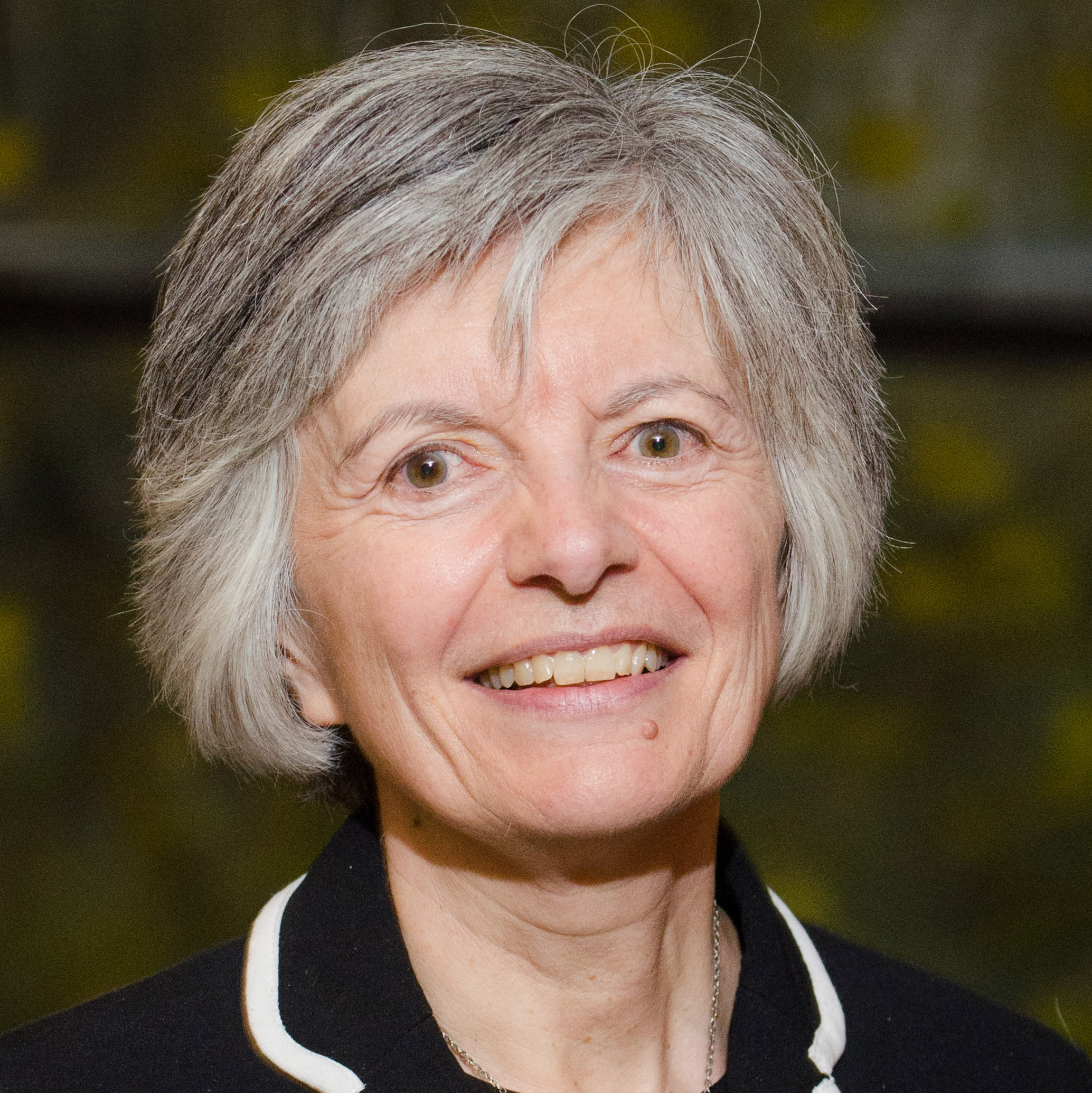
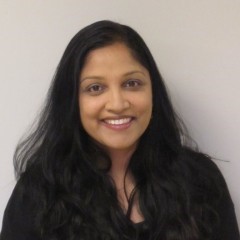
    Kavita Mehta, AFHTO CEO

    AFHTO Staff - Angie 2015

    Angie Heydon, outgoing AFHTO CEO

    I am so honoured to join AFHTO today as your new CEO, following in the very big shoes of our inaugural CEO Angie Heydon. After working as an ED for 9 years in a Family Health Team, I am eager to bring my operational and strategic experience to the association, especially during this very exciting time in health system reform. I look forward to working with everyone and ensuring that together, we bring comprehensive interprofessional team-based primary care to all Ontarians! Please feel free to reach me via email at kavita.mehta@afhto.ca or by phone at (647) 234-8605 x212.         It has been a privilege and an absolute pleasure to work with all of you over the past 6 ¼ years. Thank you to the AFHTO membership for the energy and dedication you have put into delivering and improving high quality, comprehensive team-based primary care. Thank you to AFHTO’s many collaborators – our partners in the Ontario Primary Care Council, the Ministry of Health and Long-Term Care and its agencies, and many other important stakeholders – for your commitment to working together to strengthen interprofessional primary care. As our Data to Decisions (D2D) results show – AFHTO members are moving the needle on improving primary care, and are doing so in a way that is clinically meaningful and matters to patients. With Kavita’s leadership, experience, vision and determination, I look forward to seeing the further advances you will collectively make for the people of Ontario. Best wishes!


  • AFHTO members recognised in OCFP Awards

    AFHTO congratulates physicians in our member family health teams who were recognized on Thursday, November 24, 2016 at the Ontario College of Family Physicians (OCFP) 2016 President’s Installation and Awards Ceremony. These include outgoing president Dr. Sarah-Lynn Newberry of Marathon FHT and OCFP’s new president, Dr. Glenn Brown of Queen’s FHT.

    Congratulations to all those recognized this year:

    Dr.  Merrilee Brown of North Durham FHT, named 2016 Reg. L Perkin Ontario Family Physician of the Year as well as Regional Family Physician of the Year. Dr. Jeffrey Weissberger, Markham FHT, named Community Teacher of the Year Regional Family Physicians of the Year

    And the following Award of Excellence recipients:

    You can visit OCFP’s site for further details.

  • Review of Ontario’s digital health strategy. Highlights of AFHTO’s contribution

    Minister Eric Hoskins and eHealth Ontario have now received Ed Clark’s review of Ontario’s Digital Health Assets, which confirms the significant and ongoing value of digital health infrastructure, and have accepted all of his recommendations in principle. In October the provincial government requested the Premier’s Business Advisor, Mr. Ed Clark, assess the value of ehealth in Ontario, specifically “provide the government with a value assessment of Ontario’s digital health assets and all related intellectual property and infrastructure” and “provide us with recommendations related to how to maximize the value of these assets for Ontarians”. AFHTO was one of 30 organizations who sent their own submissions to Mr. Clark, aligned with the collective goal as stated in the Patients First Action Plan, “to make Ontario the healthiest place to grow up and grow old.” Highlights from the AFHTO submission include: Current demonstrated value:

    • Primary care – the “home” and the coordinator for health care over each person’s lifetime – and the primary care EMR are the basic building blocks for the health system and for EHRs.
    • Primary care providers in Ontario’s interprofessional teams (including one-quarter of all family physicians) use EMRs and continue to move to higher levels of EMR maturity.
    • EMRs are essential to meaningful measurement and improvement, and higher primary care quality is associated with decreasing total cost of care for patients.
    • Connectivity among providers is critical to primary care coordination.

    To get much more value from EMRs and connectivity:

    • Stable funding is needed to enable all primary care teams and family physicians to license and maintain their EMRs and upgrade as needed to optimize their role in achieving the objectives to “access, connect, inform and protect”.
    • People and processes are essential to reaping the value of EMRs for better care. The Quality Improvement Decision Support (QIDS) Partnerships are a proven model for advancing use of EMRs and data; this model is highly amenable to spread.
    • Build a vision and strategy for patient ehealth to move beyond “pockets” of innovation.

    With these in mind, Ontario can refine its digital health strategy to help “improve access to care, connect services, inform people to make the right decisions about their care, and protect our universal public health care system by making decisions based on value and quality.” Related Links:

  • North York FHT screening for poverty using postal codes

    CBC News article published November 22, 2016. Article in full pasted below. Shanifa Nasser, CBC News Diabetes, heart disease, mental illness and trauma — at first glance, these conditions might not appear to have much in common, but a Toronto doctor says one key trait often lies beneath them: poverty. Dr. Kimberly Wintemute, a physician with the North York Family Health Team, has spent the last year probing the connection. “We don’t always know who they are. People don’t come in saying, ‘I’ve got this problem or I’m struggling with finances,’” Wintemute told CBC Toronto’s Metro Morning on Tuesday. What she found is that doctors can in fact screen their patients for poverty, much like they would for medical conditions. It’s a project based on the poverty screening tool from the Ontario College of Family Physicians, a questionnaire that tries to identify patients living with poverty and link them with community resources that can help. “Everyday most primary care providers in Ontario see patients in poverty,” OCFP poverty and health committee director Dr. Gary Bloch told CBC Toronto, adding that a version of the tool has just been released for every province and territory in Canada except Quebec, where a local tool is being used. “There is an incredibly large body of evidence demonstrating the link between poverty and poor health, and poverty and most chronic illnesses and acute illnesses. The relationship is so strong,” Bloch said.

    Which patients struggling often not known

    But just who is struggling often remains a mystery. “When you have someone who comes in over and over and over again and you’re trying to manage something like diabetes and it’s just not getting better, you’ve got to start digging,” said Bloch. So, Wintemute launched a pilot project at her office to have doctors try to find out just which of their patients might be having trouble making ends meet. The project uses Statistics Canada data on income levels by postal code and cross-checks it against the profiles of patients. Four physicians at Wintemute’s clinic took part in the project and they discovered that 147 of their patients lived in postal codes with the lowest income brackets. Of the 49 people who agreed to be screened, 12 came forward to say they were struggling.

    Improving health by improving poverty

    Knowing what patients are suffering from poverty is a powerful tool for healthcare providers, Wintemute says, because doctors can then connect struggling patients with a caseworker who can connect them services in their communities that can help reduce that struggle. One resource that the case worker at Wintemute’s clinic connects patients with is a free tax clinic to make sure they qualify for certain benefits. Another measure doctors can take based on the information is patient advocacy. “I have some patients who may need medication on an ongoing basis but they can’t afford that medication,” Wintemute said. “So I can call a pharmaceutical company and say, ‘Look, I’ve got a patient who needs this. Can you supply me with a compassionate supply?’” Wintemute says she hopes to expand the project to all 76 doctors working with the North York Family Health Team. It’s a goal Bloch’s team at St. Michael’s Hospital, which has been employing the poverty screening tool for the past several years, hopes to achieve as well. “People are often ashamed to talk about poverty even when they’re affected by it and they come in thinking, ‘Well, it’s not a medical issue,’” Bloch observed. “When you open that door it can completely change how that patient interacts with you. You’re finally understanding what the most powerful pressures are on that patient.” Click here to access CBC News article  Lean more about targeted screening for poverty.

  • AFHTO’s recommendations re Bill 41, Patients First

    Moving care coordinators from CCACs to LHINs does not remove barriers, it just moves them from one bureaucracy to another. If primary care providers were supported to coordinate care, it would make a significant difference for the health of patients and their experience of care.”

    With this and other comments, AFHTO presented to the Standing Committee on the Legislative Assembly on Bill 41-Patients First Act, 2016 on Nov. 21. Grounded in evidence regarding drivers of quality and value in the health system – namely, a strong foundation of primary care- it summarized what’s most valuable in Bill 41 and further steps needed to avoid unintended consequences.

    Key Recommendations:

    • To wrap care around patients, ensure that care coordinators will be embedded in primary care (Keep LHINs free from conflict of interest).
      • Require LHINs to develop plans to transition functions and staff from CCACs to the most appropriate health service providers within an appropriate length of time.
      • Following this, LHINs would be forbidden from being involved in direct service delivery.
    • To serve the public interest, ensure strategy, leadership, stewardship and a curb on bureaucracy and unilateral action
      • More specific guidance and direction is needed as to what “public interest” means.
      • Appropriate checks and balances on the use of the powers to issue directives, initiate investigations and appoint supervisors, must also be ensured.
    • Ensure the transition of FHTs and NPLCs from Ministry to LHINs is done in an environment of respect and trust.
      • Take steps to ensure that LHINs have sufficient understanding and capacity to take on expanded powers with primary care, before those powers are transferred.
      • Allow time for government to delay introduction of primary care organizations as “health service providers” so it can build a better relationship with physicians.

    Dec. 8, 2016 Yesterday government passed Bill 41: the Patients First Act, 2016. This Act is anticipated to receive Royal Assent before the House rises on Friday for the winter break and then be implemented shortly thereafter. Our advocacy continues to be driven by AFHTO’s recommendations on Bill 41, presented on behalf of members to the Standing Committee of the Legislative Assembly. Relevant Links:

  • Patients not attached to new primary care practices receive lower quality care, research suggests

    Article published in Annals of Family Medicine on November 14, 2016 The accompanying news release and abstract are shown below. One in six patients in Ontario does not belong to an organized primary care practice, new research suggests. These patients receive lower quality care and are more likely to be poor, urban and new immigrants, the study says. The Ontario government has invested millions of dollars in reforming the primary care system to improve access and quality of care. Fifteen years ago, most doctors practiced alone and were paid by the visit (fee-for-service). Now, most doctors are part of groups where they formally enroll patients, provide after-hours care, and get some lump-sum payment per year for looking after their enrolled patients (capitation). Joining these new groups was voluntary for doctors and their patients. When reforms are voluntary, there is a risk the most vulnerable in society will be left behind, said Dr. Tara Kiran, a family physician at St. Michael’s Hospital, an adjunct scientist at the Institute for Clinical Evaluative Sciences (ICES) and lead author of the study. In the study, published today in Annals of Family Medicine, Dr. Kiran and colleagues analyzed Ontario data from 2001 to 2011. They found that patients who didn’t belong to these new primary care practices were more likely to reside in an urban area, live in a low-income neighbourhood and have immigrated to Canada in the last 10 years. The study also found that patients left out of new primary care practices were less likely than those who were included to be screened for cervical, breast, and colorectal cancer (52 per cent vs. 66 per cent, 58 per cent vs. 73 per cent and 44 per cent vs. 62 per cent, respectively), and were less likely to receive recommended tests for diabetes (25 per cent vs. 34 per cent). In 2011, 2, 376, 248 (18 per cent of) Ontarians did not belong to these new primary care practices. “Some of these people that have been left behind are seeing traditional fee-for-service doctors,” said Dr. Kiran, “but others might not want a regular primary care doctor or perhaps couldn’t find one and are getting care from walk-in clinics.” Dr. Kiran said that patients left behind from these new groups had poorer quality of care even before reforms were introduced and the gaps in quality of care seem to have widened over time. The report follows the Ontario government’s introduction of the Patients First Act, a goal of which is to improve access to primary care. Dr. Kiran said there are lessons to be learned from what worked and what didn’t during the last round of reforms. She said that new reforms need to specifically reach out to more vulnerable groups of patients to connect them with a primary care provider. “We need to educate new Canadians about what good primary care looks like and how they can access it,” said Dr. Kiran. Dr. Kiran said health care leaders should also be reaching out to doctors who still practice alone and finding ways to support them and their patients. “To improve care for all Ontarians, there needs to be specific strategies to reach out to both patients and physicians who are not currently part of an organized primary care practice,” she said. Abstract Those left behind from voluntary medical home reforms in Ontario, Canada Kiran T, Kopp A, Glazier RH. Ann Fam Med. 2016; Nov 14 [Epub ahead of print]. Purpose — Health systems are transitioning patients to medical homes to improve health outcomes and reduce cost. We sought to understand the characteristics and quality of care for patients who did and did not participate in the voluntary transition to medical homes. Methods — We used administrative data to compare diabetes monitoring and cancer screening for patients attached to a medical home (N=10,785,687) versus a fee-for-service physician (N=1,321,800) in Ontario, Canada on March 31, 2011. We used Poisson regression to examine associations in 2011 after adjustment for patient factors and also assessed changes in outcomes between 2001 and 2011. Results — Patients attached to a fee-for-service physician were more likely to be immigrants and live in a low-income neighbourhood, and urban area. They were less likely to receive recommended testing for diabetes (25% vs. 34%; adjusted relative risk [RR] 0.74, 95% confidence interval [CI] 0.73 to 0.75) and less likely to receive screening for cervical (52% vs. 66%; adjusted RR 0.79, 95% CI 0.79 to 0.79), breast (58% vs. 73%; adjusted RR 0.80, 95% CI 0.80 to 0.81), and colorectal cancer (44% vs. 62%; adjusted RR 0.72, 95% CI 0.71 to 0.72) compared to patients attached to a medical home physician in 2011. These differences in quality of care preceded medical home reforms. Conclusion — Patients left behind from medical home reforms are more likely to be poor, urban, and new immigrants and receive lower quality care. Strategies are needed to reach out to these patients and their physicians to reduce gaps in care. You can read the full article here. Authors

    • Tara Kiran, MD, MSc, CCFP, St. Michael’s Hospital Academic Family Health Team
    • Alexander Kopp, BA, Institute for Clinical Evaluative Sciences
    • Richard H. Glazier, MD, MPH, CCFP, St. Michael’s Hospital Academic Family Health Team; Institute for Clinical Evaluative Sciences; Institute for Health Policy, Management and Evaluation, University of Toronto

    Relevant Links:

  • Manitoulin Central FHT Physician named Regional Physician of the Year

    The Manitoulin Expositor article published November 9, 2016. Article in full pasted below. Expositor Staff, The Manitoulin Expositor

    MINDEMOYA—Dr. Maurianne Reade, a physician at the Manitoulin Central Family Health Team in Mindemoya, is this year’s Northeast and Northwest Ontario 2016 Regional Physician of the Year as awarded by the Ontario College of Family Physicians (OCFP) Awards.

    The OCFP’s Annual Awards program celebrates the outstanding skill, knowledge and dedication of family doctors across Ontario, a press release from the association states. The awards recognize excellence in community and medical leadership, outstanding contributions in teaching and exceptional teamwork.

    The Regional Family Physician of the Year Award recognizes the outstanding contributions of seven Ontario family doctors who provide exemplary care to their patients and are passionately involved in activities that contribute to excellence in family medicine.

    Dr. Reade has practiced as a rural physician in Mindemoya since 2001. She is an associate professor at the Northern Ontario School of Medicine, a board member of the Physician Clinical Teachers Association and an executive member of the OMA Academic Medicine Forum and Rural Expert Panel.

    Described by peers as someone who views health holistically, her dedication to family medicine shines through in her daily routine where she can be found caring for patients in their homes, in the family health team clinic or First Nations Health Centre, the local emergency room and hospital ward.

    “Good for Dr. Reade,” said Dr. Cooper, MHC chief of staff when contacted by The Expositor. “She certainly deserves some credit for all she does. Dr. Reade is an inspiration to her colleagues, a pleasure to work with, a tireless educator and an excellent clinician.”

    The awards will be handed out at a gala event later this month at the Fairmont Royal York.

    Click here to access The Manitoulin Expositor article 

  • Queen’s FHT & Belleville NPLC join community partners in prescribing exercise

    Inside Belleville article published October 28, 2016. Article in full pasted below. Erin Stewart, Quinte West News

    Prescription to exercise, doctor’s orders

    A new health care prescription has made its way to the Quinte region; it’s not actual medicine, but a 60-day pass to the YMCA to get people moving.

    The Quinte West and Belleville YMCA have launched “The Prescription to Physical Activity to Better Health” initiative, in partnership with the Department of Family Medicine Queen’s Family Health Team, Belleville Nurse Practitioners and the Belleville and Quinte West Community Health Centre, to promote the importance of regular activity through utilizing prescriptions.

    Health care providers through the three partnerships can now prescribe physical activity through the 60-day YMCA trial period to patients who would like to change their lifestyle or could use some more exercise.

    Bianca Sclippa-Barrett, health promoter at the Belleville and Quinte West Community Health Centre, said the centre is excited to be involved in the new initiative during the project’s launch at the Belleville YMCA on Wednesday Oct. 26.

    “We certainly work at providing a holistic approach to health care and this partnership allows us to provide more than good advice when it comes to physical activity,” she said.

    “It helps people get the access that they need, the tools and support that they need to make positive changes in their lives,” said Sclippa-Barrett. “So the Prescription to Health program will help leverage the different strengths and resources here in our community to benefit the whole community and definitely a big win-win for us all.”

    The Prescription aims to tackle the growing problem of sedentary lifestyles by addressing the common barriers of motivation and access.

    David Allan, President and CEO for the YMCA of Central East Ontario, said people who receive a prescription through the health care providers at the programs partners will be we welcomed to the YMCA with a tour and scheduled an appointment with a trainer who will help explore interests, personal goals, demonstrations and more.

    “When somebody gets something from their doctor, they tend to take advantage of that and will use that and realize there’s a need,” he said. “So it’s up to us then to make sure that they are welcome and given the opportunity to succeed.”

    The key is involvement, said Allan.

    “We are committed to building healthy communities… making sure that people are given the opportunity to do the things they want to do that will change their life.” He said. “If they want to swim they can swim, if they want to use the treadmill we will teach them how to use the treadmill, if they want to attend classes, they can attend classes.”

    The program was initially launched as a pilot project in Peterborough, said Allan, and had a great response.

    “We launched it in Peterborough and it’s been very successful there so we felt we will launch it in this community, knowing that it’ll make a difference.”

    Allan said he’s excited to launch the initiative in Belleville and Quinte West and said it starts immediately.

    More partnerships within the community are definitely welcome, said Allan. The more the merrier, if more family physicians or any health care providers would like to get involved.

    Click here for more information about Queen’s FHT Click here for more information about the Belleville NPLC Click here to access the Inside Belleville article     
  • Powassan and Area FHT wins Poster of Distinction award at HQT

    Congratulations to Anna Gibson-Olajos and Meghan Peters, who were awarded Poster of Distinction at Health Quality Ontario’s Health Quality Transformation conference on October 20, 2016. Their poster Because You Care: Using Your EMR Data to Save Lives tells the story of how D2D helped the Powassan and Area Family Health Team (PAAFHT) identify a serious issue in their data quality for colorectal cancer screening rates. PAAFHT was able to address this issue through a number of change ideas, which in turn had a significant impact on patient care. This story was also presented at the AFHTO 2016 Conference as a concurrent session.

  • AFHTO Members on the 2016 Minister’s Medals Honour Roll

    Several AFHTO member teams were honoured as honour roll applicants for the 2016 Minister’s Medals in Health Quality and Safety , announced at today’s Health Quality Transformation conference.

    About the Minister’s Medals and the Honour Roll

    The 2016 Minister’s Medal is a competitive, annual program designed to recognize the excellent work that health care providers do every day. The Minister’s Medal provides an opportunity to recognize system champions who place the patient at the centre of the circle of care and have demonstrated exceptional work in collaboration and achieved sustainable results, while promoting system value and quality in the health care system. The teams named below demonstrated outstanding performance across the Medal criteria. Their applications made it to the final stages of the review process and are recognized as honour roll applicants.

    Congratulations to the 2016 Recipients

    The Carefirst Family Health Team  was named to the Team Honour Roll for developing the  Seamless/Timely/All-Inclusive/Right-Scaled (STAR) program – a care coordination and integrated hub that enables the Scarborough Hospital to discharge patients to a virtual ward composed of community care services within the community. The Carefirst FHT is partnered with the Scarborough Hospital, the Scarborough Doctors Family Health Organization and the Central East community care access centre to support patient transitions through the program. STAR provides access to home and community care, primary care, chronic disease management, short-stay respite care, and acute care. The Champlain BASE™ eConsult service was named to the Team Honour Roll for Building Access to Specialists through eConsultation. The service, developed by Drs. Clare Liddy and Erin Keely of The Ottawa Hospital Academic Family Health Team is a secure, web-based tool that allows primary care providers quick access to speciality care for their patients, often avoiding the need for the patient to be referred for a face-to-face visit. The eConsult service helps improves timely access to specialists; connects primary care providers and specialists; informs and supports patients, primary care providers and specialists; and protects patients by improving patient safety. Drs. Liddy and Keely were recognized with a 2016 AFHTO Bright Lights Award for this program. Suzanne Singh, a pharmacist with the Mount Sinai Academic Family Health Team, was named to the Individual Champion Honour Roll for being a passionate advocate of optimizing medication management in primary care through collaborative partnerships with patients and health care providers. She steers patient care initiatives focused on vulnerable patient populations at risk of medication-related problems and provides clinical expertise related to managing high-alert medications. She has also chaired the Mount Sinai Academic Family Health Team’s Complex Patient Care Rounds and the Interprofessional Health Provider Committee. One key example of this is her leadership in developing the Brown-Bag Medication Check-Up Program, for which the Mount Sinai Academic FHT won an AFHTO Bright Lights Award in 2015.