Tag: evidence of value

  • Bits & Pieces: virtual CBT for insomnia, call for abstracts and more

    Bits & Pieces: virtual CBT for insomnia, call for abstracts and more

    Your Weekly News & Updates


    In This Issue  
    • Delivery of cognitive behaviour therapy for insomnia via virtual platform, July 21
    • AFHTO 2021 Conference: call for poster abstracts
    • Reminder – PTSD, Relationships & Accessible Support, July 14, 2021
    • IPAC/PPE FAQ, updates to vaccine product monographs and more
    • Evidence of value: Primary care teams’ experiences of delivering mental health care during the COVID‑19 pandemic
    • Practical implementation guide for Ontario’s delirium quality standard
    • Seeking pharmacists’ input on experiences and contributions to mental health care during the COVID-19 pandemic
    • Upcoming events regarding vaccinating the last 25%, ramping up in-person visits and more


    Delivery of cognitive behaviour therapy for insomnia via virtual platform, July 21

    In this webinar co-hosted with Queen’s FHT, we will review the first line treatment for chronic insomnia and describe its components.  They will also explore how to set up and run a virtual group program in and interprofessional team setting.   Additionally, attendees will be provided with a general program outline as well as helpful tools and resources to individualize their own CBTi group program.

    At the end of this session the participant will be able to:   

    • Understand CBT-I (Cognitive Behaviour Therapy for Insomnia) as the first line treatment for chronic insomnia and its key components
    • Describe key processes and a general outline in setting up a virtual group CBTi program
    • Identify tools and resources to develop and individualize your own CBT-I program

    Get more details and register here.


    Post-Pandemic Primary Care: Respond, Recover, Rebuild

    AFHTO 2021 Conference: call for poster abstracts

    We’ll be selecting content for our 5 core themes, and we need your help. We want your insight, from system and policy-level discussions to patient-focused inquiries into the ways teams can better serve their communities now and as we transition to a post-pandemic reality. The deadline to submit for an #AFHTO2021 presentation is August 3, 2021, at 5:00 PM (EDT). Find out more and get your Bright Lights update here.

    And don’t forget, the deadline to join a working group is Thursday, July 8. Come behind the scenes and be the first to learn about new developments in the field, influence conference programming and discover the latest innovators in areas directly relevant to your work. Working group members also receive a discount off their registration fee.


    Reminder – PTSD, Relationships & Accessible Support, July 14, 2021

    Co-hosted with Couple HOPES, join this webinar with Dr. Candice Monson, Professor of Psychology at Ryerson University, Director of the IMPACT psychology research lab, and Registered Clinical Psychologist as she discusses PTSD and relationships.
    Register here.


    IPAC/PPE FAQ, updates to vaccine product monographs and more

    Recent updates include:

    We continue to update several pages on our site with resources and news:


    Evidence of value: Primary care teams’ experiences of delivering mental health care during the COVID‑19 pandemic
    “From the outset of the COVID-19 pandemic, primary care quickly responded to the rising mental health care demands of their patients. Despite the numerous challenges they faced with the rapid transition to virtual care, primary care teams have persevered. It is essential that policy and decision-makers take note of the toll that these demands have placed on providers. There is an immediate need to enhance primary care’s capacity for mental health care for the duration of the pandemic and beyond.”

    “Primary care teams’ experiences of delivering mental health care during the COVID‑19 pandemic: a qualitative study” was just published in BMC Family Practice, and authored by Rachelle Ashcroft et al.


    Practical implementation guide for Ontario’s delirium quality standard

    Delirium is a preventable harm for your older patients which can lead to functional decline and death. Do you have reliable and consistent processes across your organization to prevent or manage it?  Regional Geriatric Program of Toronto’s new Practical Implementation Guide for Ontario’s Delirium Quality Standard is intended to help you elevate your practice in delirium care. For any feedback or questions, you can connect with a senior friendly care (sfCare) coach at info@rgptoronto.ca.


    Seeking pharmacists’ input on experiences and contributions to mental health care during the COVID-19 pandemic

    University of Toronto researchers want to hear from primary care pharmacists, as they seek to examine primary care team pharmacist contributions to patient mental health care, and understand pharmacists’ experiences with collaboration during the COVID-19 pandemic. The 15 to 20 min survey includes a mix of multiple choice and open response question.


    COVID@Home Monitoring for Primary Care CoP, July 7, 2021
    Join us to learn about getting notifications of your COVID+ patient through HRM and to learn more about the clinical pathways (including the post-hospitalization pathway) and have your questions answered. Register here.


    COVID-19 CoP for Ontario Family Physicians, July 9, 2021
    Hosted by the Family and Community Medicine Department at the University of Toronto and the OCFP. Register here.


    Primary Care Vaccination QI Support CoP,  July 8, 2021
    Join PCPs, EDs & clinical managers from AFHTO, AHC & NPLCA to share learnings, tools and strategies to deliver COVID-19 vaccines in Ontario.
    Find out more here.


    ECHO Ontario Child and Youth Mental Health (CYMH) at CHEO, September 7, 2021 – February 15, 2022
    Learn how ECHO Ontario Child and Youth Mental Health (CYMH) at CHEO can help you better care for children and youth. Limited spots available. Find out more here.
  • Patient perspectives on quality of care for depression and anxiety in primary health care teams: Study

    Research paper published in Health Expectations. 2021

    Abstract

    Background: Widespread policy reforms in Canada, the United States and elsewhere over the last two decades strengthened team models of primary care by bringing together family physicians and nurse practitioners with a range of mental health and other interdisciplinary providers. Understanding how patients with depression and anxiety experience newer team-based models of care delivery is essential to explore whether the intended impact of these reforms is achieved, identify gaps that remain and provide direction on strengthening the quality of mental health care.

    Objectives: The main study objective was to understand patients’ perspectives on the quality of care that they received for anxiety and depression in primary care teams.

    Method: This was a qualitative study, informed by constructivist grounded theory. We conducted focus groups and individual interviews with primary care patients about their experiences with mental health care. Focus groups and individual interviews were recorded and transcribed verbatim. Grounded theory guided an inductive analysis of the data.

    Results: Forty patients participated in the study: 31 participated in one of four focus groups, and nine completed an individual interview. Participants in our study described their experiences with mental health care across four themes: accessibility, technical care, trusting relationships and meeting diverse needs.

    Conclusions: Greater attention by policymakers is needed to strengthen integrated collaborative practices in primary care so that patients have similar access to mental health services across different primary care practices, and smoother continuity of care across sectors. The research team is comprised of individuals with lived experience of mental health who have participated in all aspects of the research process.

    Authors:
    Rachelle Ashcroft PhD, Matthew Menear PhD, Andrea Greenblatt PhD(c), Jose Silveira MD, Simone Dahrouge PhD, Nadiya Sunderji MD, MPH, Monica Emode MSc(c), Jocelyn Booton MSW, Marvelous Muchenje PhD Student, Rachel Cooper BA (Hons), Asante Haughton BSc (Hons), Kwame McKenzie MD

    Relevant Links:


  • Team-based primary care improved health behaviors among patients with multimorbidity

    Scaling Up Patient-Centered Interdisciplinary Care for Multimorbidity: A Pragmatic Mixed-Methods Randomized Controlled Trial, The Annals of Family Medicine March 2021, 19 (2) 126-134

    Abstract

    PURPOSE

    To measure the effectiveness of a 4-month interdisciplinary multifaceted intervention based on a change in care delivery for patients with multimorbidity in primary care practices.

    METHODS

    A pragmatic randomized controlled trial with a mixed-methods design in patients aged 18 to 80 years with 3 or more chronic conditions from 7 family medicine groups (FMGs) in Quebec, Canada. Health care professionals (nurses, nutritionists, kinesiologists) from the FMGs were trained to deliver the patient-centered intervention based on a motivational approach and self-management support. Primary outcomes: self-management (Health Education Impact Questionnaire); and self-efficacy. Secondary outcomes: health status, quality of life, and health behaviors. Quantitative analyses used multi-level mixed effects and generalized linear mixed models controlling for clustering within FMGs. We also conducted in-depth interviews with patients, family members, and health care professionals.

    RESULTS

    The trial randomized 284 patients (144 in intervention group, 140 in control group). The groups were comparable. After 4 months, the intervention showed a neutral effect for the primary outcomes. There was significant improvement in 2 health behaviors (healthy eating with odds ratios [OR] 4.36; P = .006, and physical activity with OR 3.43; P = .023). The descriptive qualitative evaluation revealed that the patients reinforced their self-efficacy and improved their self-management which was divergent from the quantitative results.

    CONCLUSIONS

    Quantitatively, this intervention showed a neutral effect on the primary outcomes and substantial improvement in 2 health behaviors as secondary outcomes. Qualitatively, the intervention was evaluated as positive. The combination of qualitative and quantitative designs proved to be a good design for evaluating this complex intervention.

    Authors– Martin Fortin, Moira Stewart, Patrice Ngangue, José Almirall, Mathieu Bélanger, Judith Belle Brown, Martine Couture, Frances Gallagher, Alan Katz, Christine Loignon, Bridget L. Ryan, Tara Sampalli, Sabrina T. Wong, Merrick Zwarenstei

    Relevant Links


  • Bits & Pieces: respiratory care during COVID-19, Stay-at-Home order and more

    Bits & Pieces: respiratory care during COVID-19, Stay-at-Home order and more

    Your Weekly News & Updates


    In This Issue  
    • Member stories
    • Reminder – Your role in improving the population health of people at risk or living with diabetic foot complications
    • Register now! A webinar on EMR/EHR auditing obligations
    • Revised Phase 2 vaccination plan, identifying vaccine-eligible patients and more
    • Data governance framework for health data collected from Black communities in Ontario
    • Resources for injectable opioid agonist treatment
    • Team-based primary care improved health behaviors among patients with multimorbidity
    • Insulin therapy and managing At-Risk Drinking and Alcohol Use Disorder (AUD) during COVID-19
    • Upcoming events including respiratory care during COVID-19and more


    Member stories
    Bancroft Community FHTBancroft Community FHT physician raises awareness about COVID-19

    Temagami FHTTemagami FHT hosts successful COVID-19 vaccine clinic

    Haliburton Highlands FHTvaccination clinic provides relief to elders

    You can share your own vaccination stories with our member initiative webform. If you have any questions, please email us at info@afhto.ca.


    Reminder – Your role in improving the population health of people at risk or living with diabetic foot complications, April 15, 2021

    Co-hosted with Wounds Canada, this interactive webinar on Thursday, April 15 will provide an overview of your role to improve the population health of people at risk or living with diabetic foot complications across the full continuum of care settings to improve patient experience, outcomes and costs. Register here.


    Register now! A webinar on EMR/EHR auditing obligations

    Teams are invited to join AFHTO and Kate Dewhirst (Kate Dewhirst Health Law) on Friday, May 7, from 12 PM to 1:30 PM to better understand obligations to audit electronic medical records (EMR) and electronic health records (EHR). Topics discussed will include why you have an audit, how often you should audit, and how to audit. More information and registration are here.


    Revised Phase 2 vaccination plan, identifying vaccine-eligible patients and more

    Recent updates include:

    We continue to update several pages on our site with resources and news:


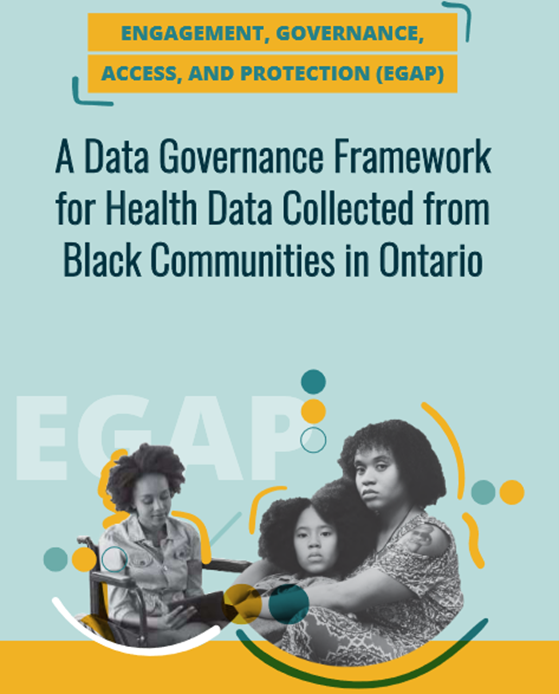
    Framework with black women- one in wheelchair and anotheer holding a black girl in her arms


    Data governance framework for health data collected from Black communities in Ontario

    The Black Health Equity Working Group has released the latest version of the Engagement, Governance, Access and Protection Framework (E-GAP), which is designed to guide the implementation of race and socio-demographic data collection strategies at the local and provincial levels in Ontario.

    • Download the report in English or French
    • Download the Consultation Summary Report in English or French

    You can contact the working group at info@blackhealthequity.ca


    Resources for injectable opioid agonist treatment
    Addictions and Mental Health Ontario (AMHO) has new resources to support increased access to injectable opioid agonist treatment (iOAT). iOAT is an evidence based and cost-effective medical intervention that is recommended for people with severe opioid dependence who have not responded to oral opioid agonist treatment or for whom oral opioid agonist treatment is not appropriate. More information and resources are here.


    Team-based primary care improved health behaviors among patients with multimorbidity
    Recently published in The Annals of Family Medicine, this research highlighted results when health care professionals (nurses, nutritionists, kinesiologists) were trained to deliver patient-centered intervention based on a motivational approach and self-management support. Read more here.


    Insulin therapy and managing At-Risk Drinking and Alcohol Use Disorder (AUD) during COVID-19

    Centre for Effective Practice recently launched new tools:


    Respiratory Care During COVID-19: What Have We Learned One Year Later, April 21, 2021

    Reflect on best practices & considerations for diagnosing and managing lung diseases during the pandemic. Co-hosted with the Lung Health Foundation
    Find out more here.


    Project ECHO (UHN), Starting April 2021
    Join ECHO Ontario (UHN) for their newly released programs starting this spring.
    For more information:

    To register, click here.


    COVID-19 CoP: Vaccination in primary care, evolving vaccine evidence, and more, April 23, 2021
    The OCFP & University of Toronto DFCM will be discussing evolving vaccine evidence and experience delivering vaccines as part of primary care pilots.
    Learn more here.


    Primary Care Vaccine QI Support Group Webinar Series, April 22- May 13, 2021

    Join Ontario Health to learn valuable lessons from pilot sites, gain access to resources, information and quality improvement tips to assist you in moving forward with your vaccine plans.

    Register here


    A Deep Dive into Co-Designing Care Models for your Priority Populations, May 6, 2021
    The RISE OHT webcasts will show how your OHT can re-design care for patients in your priority populations, and help every patient in those populations experience coordinated transitions between providers.
    Learn more here.

  • Bits & Pieces: leaving no story untold, IHPs and outcomes in diabetes care, and more

    Bits & Pieces: leaving no story untold, IHPs and outcomes in diabetes care, and more

    Your Weekly News & Updates


    In This Issue  
    • Don’t leave your team’s stories untold
    • Happy Pharmacy Appreciation Month
    • Members’ stories
    • Saegis Cybersecurity Clinic Update 2021 slides and video
    • AFHTO 2021 Conference survey deadline today
    • How IHPs affect outcomes in diabetes care- input needed
    • Patient and staff on the vaccine, guidance updates, armpit lumps and more
    • GoodLife rates increase April 1
    • Reminder- Supply Ontario input due today March 9
    • Ontario Centres for Learning, Research and Innovation in Long-Term Care resources
    • Draft recommendation on internet-delivered CBT for PTSD or acute stress disorder
    • Upcoming events including supporting older persons at home and more


    Don’t leave your team’s stories untold

    Don’t leave your team’s stories untold!
    We’ve heard so many amazing stories and we want you to keep them coming! Share anything, anytime on our member initiative webform.

    • Starting a new program because of a newly recognized demand?
    • Changing up how you provide care during COVID?
    • Collaborating with different partners to make a difference in the community?

    Enter your untold stories in this form and we’ll keep you in mind for our advocacy efforts. You choose how widely the information can spread: keep it in-house with AFHTO or allow us to share on our website, social media, publications and/or promotional material.

    Questions? Email us at info@afhto.ca.


    Pharmacy Appreciation Month #PAM2021

    Happy Pharmacy Appreciation Month

    March is Pharmacy Appreciation Month, so we thank all our teams’ pharmacists for stepping up, during the pandemic, before, and beyond. Happy Pharmacist appreciation month!


    Members’ stories

    Akausivik FHT Vaccine rollout for Indigenous community expands

    Algonquins of Pikwakanagan, Arnprior and District, Madawaska Valley, Petawawa Centennial & West Champlain FHTsRenfrew County FHTs & Partners providing virtual mental health and addiction walk-in counselling clinic


    saegis webinar mar 4 2021

    Saegis Cybersecurity Clinic Update 2021 slides and video

    On March 4 we cohosted a webinar with Saegis that:

    • Discussed the top 5 cybersecurity threats facing your clinic
    • Listed the 10 questions to ask before engaging an IT consultant for your clinic, and questions to ask about your clinics network security
    • Described how and where to report clinic cyberattacks and privacy breaches.

    Slides and video are now available.


    AFHTO 2021 Conference survey deadline today

    We’re going virtual again for this year’s conference and although we haven’t set a date yet, the earliest would be some time in October. Now that we’ve tried it once, we’d like to make the next better for you- more streamlined and focused on your needs.

    We need your help. What do you want to hear more about and how would you like it? Tell us in this really quick survey. Deadline today, March 9


    How IHPs affect outcomes in diabetes care- input needed

    The AFHTO QSC is looking to begin the process of exploring IHP and outcome data.  The committee chose diabetes as many teams are working daily to lower HbA1C in patients.  If you work in diabetes care, please complete this survey (about 5-8 minutes in length).    


    Patient and staff on the vaccine, guidance updates, armpit lumps and more

    Recent updates include:

    We continue to update several pages on our site with resources and news:


    GoodLife rates increase April 1
    GoodLife rates for AFHTO members were due to increase in November, but because of closures due to COVID, existing – annual (paid in full) rates of $519 and biweekly rates of $24- have been extended until April 1. Those with existing GoodLife memberships should have already received emails from GoodLife. Phasing updates by region are available on their site here.

    To take advantage of discounted rates, you need a membership ID assigned by AFHTO. Automatically assigned to those on the ‘Bits & Pieces’ mailing list, these are sent to GoodLife monthly near the end of the month. To get your ID or be put on the list for one, please email info@afhto.ca.
     
    As of April 1, annual (paid in full) rates will be $619 and biweekly rates $25.


    Reminder- Supply Ontario input due today March 9

    Supply Ontario is a single integrated supply chain across the public sector that will leverage the province’s purchasing power to provide greater value and consistent access to high-quality products and services.

    They need your input to help identify opportunities to improve the value they can deliver for your organization and patients, through better supply chain processes. Deadline today, March 9.


    Ontario Centres for Learning, Research and Innovation in Long-Term Care resources

    • eLearning Hub– has a range of interactive, short eLearning courses that use LTC-specific case scenarios to illustrate care delivery-related concepts that are relevant in all care setting, like supporting people’s psycho-social and communications needs at the end-of-life, person centred language, nursing leadership. Many of them available in French too.
    • Webinars
    • Newsletter– short monthly newsletter reaching over 2000 people

    Draft recommendation on internet-delivered CBT for PTSD or acute stress disorder

    Ontario Health requests feedback on a health technology assessment and draft funding recommendation on cognitive behavioural therapy (CBT) delivered online to treat PTSD or acute stress disorder by March 14, 2021.


    Supporting Older Persons at Home – Learning and Collaboration During the COVID-19 Pandemic and Beyond, Mar. 25, 2021

    Cohosted with Provincial Geriatrics Leadership Ontario, join us for a discussion on how to better support older persons in the community using lessons learned during the first year of the COVID-19 pandemic. Register here.


    The COVID-19 Vaccine: Newly approved vaccine, public health collaboration, and more, Mar. 12, 2021
    The OCFP’s COVID-19 CoP will be continuing the discussion on COVID-19 vaccinations- this time, focusing on the Astra Zeneca and Johnson & Johnson vaccines. Learn more here.


    BounceBack refresher webinar, Mar. 18 & 25, 2021
    The BounceBack communications and marketing team invites you to a 30-minute refresher presentation on BounceBack, a free CBT skill-building program designed to help individuals 15+ manage low mood, mild to moderate anxiety or depression, stress or worry.


    RISE OHT Webinars, Mar. 17 & 18, 2021

    • Measurement-based Care in Mental Health and Addictions Service Delivery, Mar. 17, 2021
    • Redesigning Care Models through Co-design, Mar. 18, 2021

    Learn more here.


    Fundamentals in Practical Leadership, starting Mar. 29, 2021
    Fundamentals in Practical Leadership: Skills and Tools for New and Emerging Leaders and Managers is a year-long webinar series by Centre for Organizational Effectiveness. Learn more here.


    Delirium – A New Quality Standard for an Important Health Concern, Mar. 17, 2021
    The Provincial Geriatrics Leadership Ontario & Ontario Health will be co-hosting a webinar with clinical experts to share information and resources to support people who are at risk for delirium or who are experiencing symptoms of delirium. Register here.

  • How primary health care helps health systems adapt during the COVID 19 pandemic: OECD report

    OECD Policy Responses to Coronavirus (COVID-19)
    Strengthening the frontline: How primary health care helps health systems adapt during the COVID 19 pandemic

    Feb. 10, 2021

    Abstract

    Health systems continue to adapt to cope with the COVID‑19 pandemic. Much focus has been placed on the scaling-up of hospital capacities. However, the pandemic is also deeply affecting the health of many people who are not infected by the virus. People living with chronic conditions are not only highly vulnerable to complications and death from COVID‑19, but they are also suffering from disruptions to their regular care routines.

    The COVID‑19 crisis demonstrates the importance of placing primary health care at the core of health systems, both to manage an unexpected surge of demand and to maintain continuity of care for all. Strong primary health care – organised in multi-disciplinary teams and with innovative roles for health professionals, integrated with community health services, equipped with digital technology, and working with well-designed incentives – helps deliver a successful health system response.

    The innovations introduced in response to the pandemic need to be maintained to make health systems more resilient against future public health emergencies, and able to meet the challenges of ageing societies and the growing burden of chronic conditions.

    Read the full report here.

  • Hybrid model of pharmacist services in a large multisite family health team

    Research paper published in The Canadian Pharmacists Journal

    September/October 2020

    Introduction


    The pharmacist role, especially in team-based primary care, has evolved tremendously over the past several years. The North York Family Health Team (NYFHT) is an urban family health team serving patients in the northern part of Toronto and surrounding areas. Since its inception in 2008, NYFHT has seen an increasing number of physicians and patients and, subsequently, an increase in staff, including pharmacists, over the years as a direct result of referral volume. There have been 3 full-time pharmacists since 2013 to provide clinical and other professional pharmacist services.

    Pharmacist services at the NYFHT encompass a wide range of activities, including but not limited to providing drug information, offering pharmacotherapy consults, conducting medication reviews, supporting various FHT-wide chronic disease management programs, participating in quality improvement initiatives, assisting with data standardization and conducting practice-based research.

    The pharmacists are also involved in teaching and precepting medical and pharmacy learners at various levels of education. Teaching occurs via small group seminars as well as large lectures. Precepting occurs 1:1 with pharmacy students and residents.

    The pharmacist role at the NYFHT is similar to others in primary care, but the provision of pharmacist services and how it is done is unique compared to what is often described in the literature. Developing the role of the pharmacist at the NYFHT has had some challenges, due to the size of the organization, which is composed of 90 physicians, 40 interprofessional health care providers and over 85,000 patients. The NYFHT physician offices are spread over 20 physical sites across North York, with 1 central interprofessional health office. The interprofessional health care providers include registered pharmacists, registered nurses, registered dietitians, social workers

    Authors:

    • Christine Truong, Rita Ha and Eric Lui, North York FHT

    Relevant Links:


  • Bits & Pieces: your COVID-19 survey results at Trillium Research Day & more

    Bits & Pieces: your COVID-19 survey results at Trillium Research Day & more

    Your Weekly News & Updates


    In This Issue  
    • Trillium Research Day – AFHTO posters and presentation
    • Primary care patient/client virtual care experience survey
    • #StopTheSpread communications toolkit
    • Provider virtual care experience survey
    • IHP experience during COVID-19
    • Fecal immunochemical test kit update and reminder regarding breast cancer and cervical screening
    • Top ten flu Q & A and more
    • HPCO 2021 conference call for abstracts
    • CEP type 2 diabetes tools and academic detailing
    • Upcoming events regarding processing trauma experiences and more


    Responding to COVID- primary care teams

    Trillium Research Day – AFHTO posters and presentation

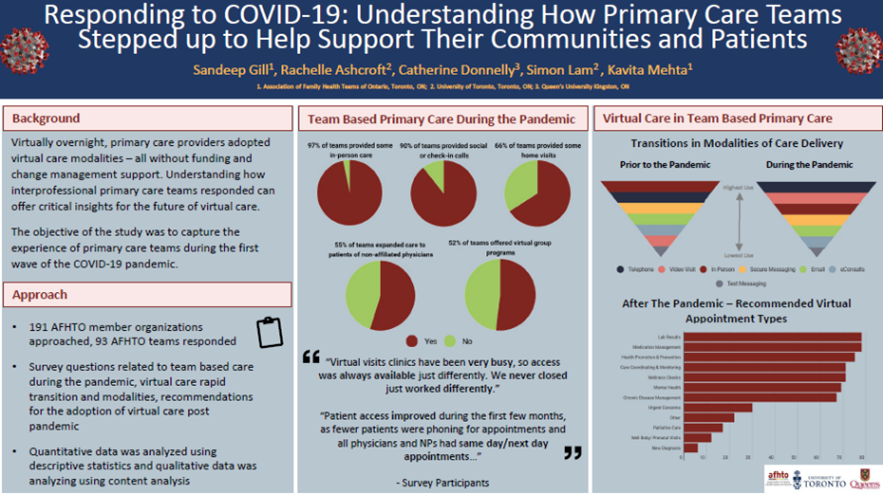
    On Friday, Oct. 23, AFHTO along with our research partners presented at Trillium Research Day demonstrating the value of primary care teams’ response to COVID-19 and patients’ experience with virtual care. Posters and presentations are now on our site. A special thank you to our teams to participating in this very important work!


    Primary care patient/client virtual care experience survey

    In August, we launched the Primary Care Patient/Client Virtual Care Experience Survey, for teams to implement. As a reminder, we will be collecting aggregate responses from your team to this survey the week of November 1st, here.
    Another option of patient experience data collection is to provide the survey link created by Women’s College Hospital Institute of Health Systems Solutions and Virtual Care (WIHV). WIHV is conducting a third-party evaluation of virtual care in the COVID-19 era on behalf of the Ontario Ministry of Health.

    NOTE: Participation in this survey should only take 10-15 minutes and includes the option to enter a draw for one of four $50 gift cards to Amazon, the Bay or Shoppers Drug Mart. This data will go directly with WIHV and you will not have access to the data.  

    This research will be important as the Ministry looks at the future of virtual care – please spread the word and encourage your patients to participate!


    #StopTheSpread

    #StopTheSpread communications toolkit

    The Ontario Hospital Association launched a social media campaign that we encourage members participate in. The #StopTheSpread of COVID-19 campaign is targeting three audience groups: (1) ages 20-30, (2) broad audience 40s+, and (3) health care workers. Find a communications toolkit on our site.


    Provider virtual care experience survey

    Women’s College Hospital Institute of Health Systems Solutions and Virtual Care (WIHV) is conducting a third-party evaluation of virtual care in the COVID-19 era on behalf of the Ontario Ministry of Health. The objectives are to provide the Ontario Ministry of Health anonymous feedback on:

    • Healthcare Provider experiences with and preferences for virtual care during the pandemic;
    • The types and features of virtual services which provide the most value for healthcare providers;  
    • The clinical utility and appropriate uses of virtual services in Primary Care; and
    • Policy recommendations related to virtual care services in Primary Care for the provincial government.  

    You can participate in providing feedback by filling this short 10-15 mins online survey, which includes the opportunity to enter a draw to win one of four $50 electronic gift cares to the Bay, Shoppers Drug Mart or Amazon. Your participation will remain completely anonymous and confidential. Feel free to reach out to Jamie Fujioka (Jamie.fujioka@wchospital.ca) if you have any questions or concerns.

    This research will be important as the Ministry looks at the future of virtual care – please spread the word and we really encourage you to participate!


    IHP experience during COVID-19

    We are now six months since the initial restrictions of COVID-19 and Queen’s University researchers are interested in hearing about your experiences working in Family Health Teams during this time. You are invited to participate in a brief web-based survey to understand the evolving experiences of interprofessional health care providers in Family Health Teams in Ontario during the COVID-19 pandemic. Click on the link here to complete the web-based survey.

    And here’s the earlier survey results for your review as well.


    Fecal immunochemical test kit update and reminder regarding breast cancer and cervical screening

    As of October 20, 2020, primary care providers can expand screening with the fecal immunochemical test (FIT) to all eligible people at average risk for colorectal cancer.  

    Due to ongoing COVID-19 safety precautions and potential delays in FIT kit mailing, people may experience delays in receiving a FIT kit. To avoid longer wait times, Ontario Health (Cancer Care Ontario) asks that primary care providers do not batch fax requisitions.

    Reminder regarding breast cancer and cervical screening
    Ontario Health (CCO) is recommending that routine breast and cervical screening tests be resumed in a gradual manner. As a reminder, primary care providers are encouraged to consider initiating cervical screening at age 25, which is aligned to best evidence.

    If you have any questions about resuming cancer screening, please contact cancerinfo@ontariohealth.ca.


    Top ten flu Q & A and more

    Updates recently released include:

    We continue to update several pages on our site with resources and news:


    HPCO 2021 conference call for abstracts

    Hospice Palliative Care Ontario is now accepting submissions for workshop, poster, and oral paper presentations for their virtual conference, April 18-20, 2021. The 2021 conference theme is The New Normal of Hospice Palliative Care in a Pandemic World. For complete details and to submit visit their site. Deadline Dec. 4.


    CEP type 2 diabetes tools and academic detailing
    CEP has just launched clinical tools and opportunity for one-on-one clinical education (academic detailing) visits on type 2 diabetes: non-insulin pharmacotherapy and providing care during COVID-19.


    Processing Trauma Experiences With Palliative Care Clients And Their Families, Nov. 4 – Dec. 2, 2020

    Join the HPCO in this 5-part series intended for all sectors of hospice palliative care. Focuses for sessions include work with veterans, refugees and first nations.
    Learn more here.


    Strengthening Families Together Virtual Series, Nov. 5 – 26, 2020

    Caregivers providing support to someone living with schizophrenia or a psychosis related illness are invited to this 4-session family education group.
    More details can be found here.


    Health Promotion Ontario conference, Nov. 5- 26, 2020
    The Annual Health Promotion Ontario conference will be a free virtual experience this year. There will be a four-part webinar series on Health Promotion in a Global Pandemic in November. Find out more here.


    Diabetes Care and Management for Ontario, Nov. 12, 2020

    This HeathcareRounds virtual event will be a discussion with leaders devoted to the health and care of those living with diabetes to discuss next steps and action items.
    Find out more here.


    Race, Racism, And COVID-19: The Institute For Pandemics Inaugural Lecture, Nov. 24, 2020
    This panel will explore evidence and examine the implications for using policy and other strategies to dismantle structural racism.
    Learn more here.


    Osgoode Professional Development, Oct. 5, 2020 – Apr 28, 2021
    AFHTO is partnering with York University’s OPD to provide members 10% off a variety of health law programs for professional development. For discount code and course offerings, click here.

  • High and Sustained Participation in a Multi-year Voluntary Performance Measurement Initiative Among Primary Care Teams

    Research paper published in the International Journal of Health Policy and Management

    Abstract

    Background: The province of Ontario, Canada has made major investments in interdisciplinary primary care teams. There is interest in both demonstrating and improving the quality of care they provide. Challenges include lack of consensus on the definition of quality and evidence that the process of measuring quality can be counter-productive to actually achieving it. This study describes how primary care teams in Ontario voluntarily measured quality at the team level.

    Methods: Data for this 4-year observational study came from electronic medical records (EMRs), patient surveys and administrative reports. Descriptive statistics were calculated for individual measures (eg, access, preventive interventions) and composite indicators of quality and healthcare system costs. Repeated measures identified patient and practice characteristics related to quality and cost outcomes.

    Results: Teams participated in an average of 5 of 8 possible iterations of the reporting process. There was variation between teams. For example, cervical cancer screening rates ranged from 21 to 86% of eligible patients. Rural teams had significantly better performance on some indicators (eg, continuity) and worse on others (eg, cancer screening). There were some statistical but small changes in performance over time.

    Conclusion: High, sustained voluntary participation suggests that the initiative served a need for the primary care teams involved. The absence of robust data standards suggests that these standards were not crucial to achieve participation. The constant level of performance might mean that measurement has not yet led to improvement or that measures used might not accurately reflect improvement. The data reinforce the need to consider differences between rural and urban settings. They also suggest that further analysis is needed to identify characteristics that teams can change to improve the quality of care their patients experience. The study describes a practical, sustainable real-world approach to performance measurement in primary care that was attractive to interdisciplinary teams.

    Authors:

    • Carol Mulder, InfoAccess Consulting
    • Jennifer Rayner, Alliance for Healthier Communities

    Relevant Links:


  • The Role of Social Workers in Interprofessional Primary Healthcare Teams: Study

    Research paper published in HEALTHCARE POLICY Vol.16 No.1, 2020

    Abstract

    Background: In Ontario, Canada, social workers are employed in a number of primary healthcare (PHC) settings such as Community Health Centres (CHCs) and Family Health Teams (FHTs). However, many aspects of social work practice within PHC settings are unknown.

    Objectives: The objectives of our study are to determine the amount of social work services provided in CHCs and FHTs, identify the types of services that social workers provide in CHCs and FHTs and ascertain the methods social workers use to deliver services in CHCs and FHTs.

    Method: An analysis of a cross-sectional data set obtained from a survey conducted in June 2016 in Ontario was performed.

    Results: The majority of practices (84.2%) had a social worker, although several practices also hosted other types of mental health workers. In virtually all practices with social workers, they (and individuals designated as mental healthcare providers) were also involved in practice level efforts to support mental healthcare delivery. In several practices, the care they delivered extended beyond that related directly to mental healthcare, ranging from preventive care and health promotion (64.5%) to palliative care (16.8%). In several practices, these workers also offered group appointments related to healthy behaviour (43.6%) and self-management (~33%).

    Interestingly, the role of social workers in practices where they were the sole designated mental healthcare worker was not meaningfully different from practices where other mental health professionals work.

    Conclusions: In PHC, social workers deliver or support the delivery of mental healthcare, but their role extends beyond that domain to encompass a broader set of services that contribute to the individual’s health and wellbeing.

    Authors:

    • Vela Tadic, Bruyère Academic Family Health Team
    • Rachelle Ashcroft, Factor-Inwentash Faculty of Social Work, University of Toronto
    • Judith Belle Brown, Department of Family Medicine, Schulich School of Medicine and Dentistry
      Western University
    • Simone Dahrouge, Bruyère Research Institute, C.T. Lamont Primary Health Care Research Centre

    Relevant Links: