Tag: evidence of value

  • Chronic noncancer pain management: Integration of a nurse-led program in primary care

    Chronic noncancer pain management

    Integration of a nurse-led program in primary care
     

    Research article published in Canadian Family Physician March 2023, 69 (3) e52-e60

    Abstract

    Problem addressed Chronic noncancer pain is often excessively managed with medications (most notably opioids) instead of nonpharmacologic options or multidisciplinary care—the gold standards.

    Objective of program To offer an effective alternative to pharmacologic management of chronic noncancer pain in primary care.

    Program description Patients 18 years of age or older with chronic noncancer pain were referred by family physicians or nurse practitioners in a family health team (outpatient, multidisciplinary clinic) in Ottawa, Ont. A registered nurse used the Pain Explanation and Treatment Diagram with patients, taught self-management skills (related to habits [smoking, consumption of alcohol, diet], exercise, sleep, ergonomics, and psychosocial factors), and referred patients to relevant resources.

    Conclusion A nurse-led chronic pain program, initiated without extra funding, was successfully integrated into a primary care setting. Among the participating patients in the pilot project, outcomes related to pain intensity, pain interference with daily living, and opioid use were encouraging. This program could serve as a model for improving chronic noncancer pain management in primary care.

    Chronic noncancer pain affects approximately 1 in 5 Canadians and leads to substantial social and economic costs.15 In 2019 it was estimated that 7.6 million Canadians were affected, with an estimated sum of direct and indirect costs related to chronic pain of $38.2 billion to $40.3 billion.1 By 2030 these numbers are expected to increase to 9 million people affected and $52 billion to $55 billion in associated costs.1 For chronic pain management, nonpharmacologic options and multidisciplinary care are recommended as gold standards.68 Self-management is central to such programs, as it empowers patients to adopt behaviour, strategies, and skills to improve their quality of life.911 In Canada most multidisciplinary clinics for chronic pain are located in hospitals, and access can be limited by long wait times.12 Family physicians or nurse practitioners are at the front lines of managing chronic pain, yet they often lack either the time or resources they need to access a multidisciplinary team with expertise in chronic pain.1315

    As an unfortunate result, care of patients with chronic pain often relies on prescription drugs, most notably opioids.16 Indeed, Canada has the second-highest rate of opioid prescribing per capita worldwide (after the United States) when measured as defined daily doses and the highest rate when reported as morphine equivalent (MEQ) dispensed,17,18 and opioid abuse and overdose have become serious public health concerns.19 While initiatives have aimed to address existing shortcomings in chronic pain management,17 there is still a clear need and opportunities to develop better approaches in primary care to serve these patients.

    Authors:

    • Metasebia Assefa, Research Project Coordinator, Children’s Aid Society
    • Isabelle LeClerc, Bruyère Academic FHT
    • Dr. Elizabeth Muggah, Bruyère Academic FHT
    • Prof. Raywat Deonandan, University of Ottawa
    • Charles Godbout, Bruyère Research Institute
    • Prof. Hillel M. Finestone, University of Ottawa

    Click here for the full article

  • Bits & Pieces: member stories and more

    Bits & Pieces: member stories and more

    Your Weekly News & Updates


    In This Issue  
    • Member stories
    • Canada’s national nature prescription program, PaRx, celebrates two years in Ontario
    • New Long COVID resources from the OCFP and more
    • New resource for social prescribing
    • Project on women and hypertension
    • 2023 OCFP award nominations now open
    • Evidence of value- financial counselling during baby checkups
    • Farewell card for Kavita
    • Upcoming events including Sickle Cell Disease: A New Quality Standard for High-Quality Care in Ontario and more

    Member stories

    City Of Kawartha Lakes FHTCity Of Kawartha Lakes Family Health Team To Receive Almost $110,000 Additional Base Funding For This Year

    “MPP Laurie Scott made the announcement today. Scott says the provincial government is providing $8.1 million in new annualized base funding to enhance access to primary care in key regions of the province. This funding will support various interprofessional primary care organizations, including 18 Family Health Teams (FHTs), 2 Community Health Centres (CHCs) and 2 Nurse Practitioner Led-Clinics (NPLCs), to continue the delivery of high-quality care that Ontarians know and deserve.”

    If your team is receiving new base funding as well and you’re able to share details, please contact us so we can promote it.

    Peterborough FHTPeterborough Newcomer Health Clinic helps immigrants and refugees transition to Canada’s health care system


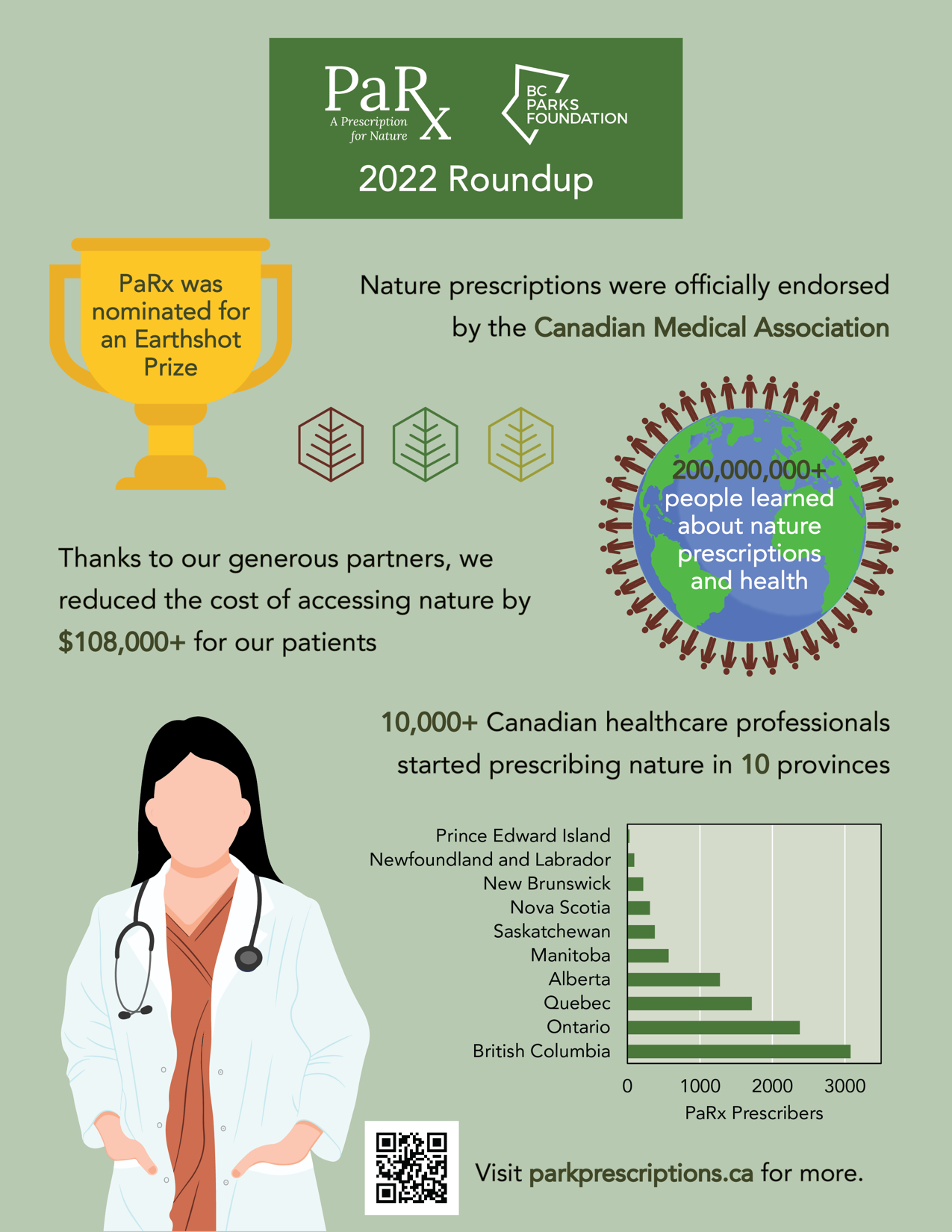
    Parx 2022 roundup. Text reads- PaRx was nominated for an Earthshot Prize. Nature prescriptions were officially endorsed by the Canadian Medical Association. 200,000,000+ people learned about nature prescriptions and health


    Canada’s national nature prescription program, PaRx, celebrates two years in Ontario

    Research shows how important nature contact is for health, including reduced rates of anxiety, depression, respiratory and cardiovascular disease. To help connect Canadians to the health benefits of nature, the BC Parks Foundation launched PaRx in 2020, starting in British Columbia, then expanding to every province across the country including Ontario in February 2021. From physiotherapists and physicians to nurses and counsellors, over 10,000 prescribers are registered across the country. Learn more about their progress here.

    You can visit www.parkprescriptions.ca for more information on nature prescriptions and to register to become a prescriber.


    New Long COVID resources from the OCFP and more

    Recent updates include:

    We continue to update multiple pages on our site with resources and news:

    Novel Coronavirus (COVID-19) Updates– the original page, with news and updates. You can find links to related pages here as well.


    New resource for social prescribing

    The CEP has launched a new resource for social prescribing, which includes practical tips, talking points and tangible next steps to integrate social prescribing into your practice. It supports primary care clinicians to provide more holistic, patient-centred care and connect those in need to a wide range of non-clinical services in the community, ultimately improving health outcomes. 


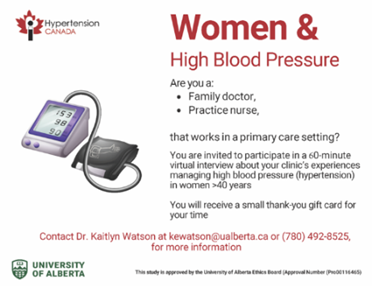
    women & high blood pressure eligibility criteria


    Project on women and hypertension

    “Management of high blood pressure seems simple in that there is strong evidence of its reduction on hospitalizations and mortality. However, hypertension control is not improving but declining. There is a disconnect between the evidence-based guidelines available and primary care practice. The purpose of this study is to gain insight into the barriers and enablers for family physicians, practice nurses/nurse practitioners, and women living with high blood pressure.”

    Hypertension Canada is focusing on the point of care and treatment process when a woman with high blood pressure attends a family physician clinic. They’re seeking:

    • Women who self-identify as over 40yrs old living with high blood pressure.
    • Family physicians, nurse practitioners, or practice nurses working in primary care.

    This would involve a one-time 30-60min interview (virtual or by phone), a small thank you gift will be provided. For more information contact, Dr Kaitlyn Watson, kewatson@ualberta.ca and (780) 492 3454.


    2023 OCFP award nominations now open

    Help shine a spotlight on the outstanding work and accomplishments of family doctors by nominating a colleague for an OCFP Award. Find out more here.


    Evidence of value- financial counselling during baby checkups

    “When you expand the team that’s providing care for families in early childhood, you can make the well-child experience more meaningful. And when people find things more meaningful, they come”. Read ‘How financial counseling at the pediatrician’s office can help families thrive’-NPR.


    Farewell card for Kavita
    If you would like to join us in wishing our current CEO Kavita Mehta farewell with your own best wishes, please leave your message to her on this e-card before her last day on Friday, March 10, 2023: https://ellacard.com/sign/6166bcff-87e1-4bd2-bcb6-fdae8226a1a7.


    Sickle Cell Disease: A New Quality Standard for High-Quality Care in Ontario, Feb. 22, 2023
    This session will introduce Ontario Health’s recently released Sickle Cell Disease quality standard and describe how it can drive QI and improve care for Ontarians across the health system. Register here.


    Long COVID, Feb. 24, 2022
    57th in the series “Changing the way we work” on Friday, February 24, 2023, at 7:55-9:15 am, hosted by UofT and OCFP. Register here.


    Strategies to Increase Client and Family Engagement, Feb. 27, 2023
    Hosted by RNAO and presented by Victorian Order of Nurses (VON). Register here.


    Sensemaking Population Health Management in Ontario Health Teams: A Diabetes Example, Feb. 28, 2023
    HSPN OHT webinar hosted by Dr. Walter Wodchis, Principal Investigator at HSPN,
    Co-Founder IFIC Canada and Professor at IHPME. Register here.


    Together We Care 2023, Mar. 27- 29, 2023
    Together We Care is the largest and most comprehensive learning and networking experience for professionals in long-term care and retirement living. Find out more here.

  • Bits & Pieces: The experience of primary care teams during the early phase of COVID-19 and more

    Bits & Pieces: The experience of primary care teams during the early phase of COVID-19 and more

    Your Weekly News & Updates


    In This Issue  
    • The experience of primary care teams during the early phase of COVID-19
    • Member stories
    • Evidence of value- Enhanced Primary Care Diabetes (EPCD) team model
    • Corrected link – Healthcare Excellence Canada Opportunity: Partnering on Appropriate Virtual Care
    • Ontario Caregiver Organization 2022 Spotlight Report
    • Updated Post-Covid-19 Condition guidance, vaccination deserts and more
    • Help shape the future of virtual health care in Ontario
    • Comparison of bleeding risk between Rivaroxaban and Apixaban in patients with atrial fibrillation
    • Upcoming events including COVID Therapeutics and more


    The experience of primary care teams during the early phase of COVID-19

    Now published in BMC Primary Care are the results of “The experience of primary care teams during the early phase of COVID-19: A qualitative study of primary care practice leaders in Ontario, Canada”.

    Seventy-one Executive Directors from across all regions of Ontario were interviewed for the study, representing 37% of the AFHTO member clinics. Four themes were identified in the data: i) Complexities of Virtual Care, ii) Continuation of In-person Care, iii) Supporting Patients at Risk, and iv) Stepping up and into New Roles.

    Thank you to all the EDs and Admin Leads who provided your insights. Read more here.


    Member stories

    Espanola FHT – nurse wins prestigious award

    North Simcoe FHT- New clinic offers help for those with COVID-19, flu symptoms

    St. Michael’s Hospital Academic FHT – What the rest of the country can learn from Ontario’s family doctor payment model


    Evidence of value- Enhanced Primary Care Diabetes (EPCD) team model

    Staff clinician group with access to the model found to improve their diabetes care quality, but more research needed- “Evaluation of an Enhanced Primary Care Team Model to Improve Diabetes Care”, The Annals of Family Medicine, November 2022


    Corrected link – Healthcare Excellence Canada Opportunity: Partnering on Appropriate Virtual Care

    The Partnering on Appropriate Virtual Care collaborative will support primary care practices, organizations, and multidisciplinary teams from across Canada to determine when and how virtual care should be used in their respective healthcare settings. Participants will receive up to $20,000 in seed funding to develop a framework that supports shared decision-making with patients, ensuring choices around virtual care are based on patient needs and capabilities, their care requirements and clinician capacity. This program runs between January and November 2023 and involves a range of online learning and design activities. Learn more about the program and how to apply here.
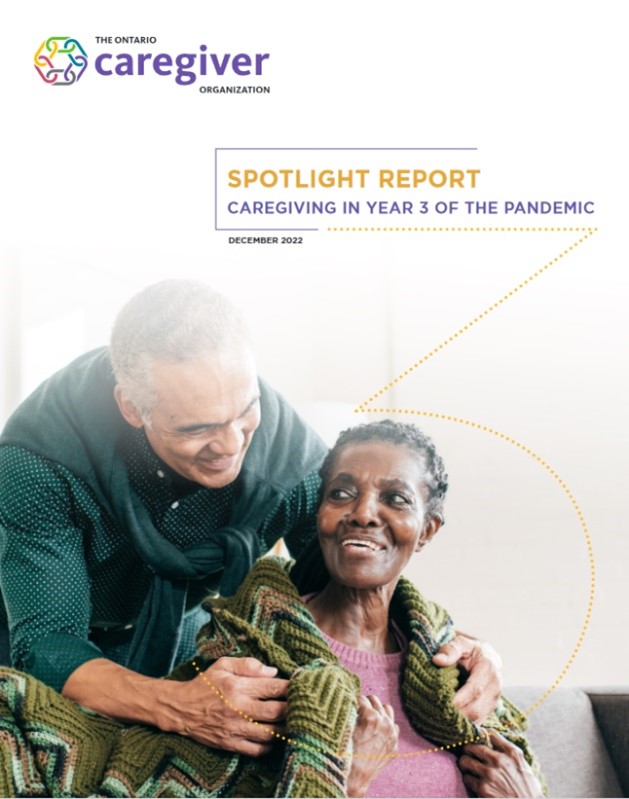

    a black man with greying hair places a throw blanket on the shoulders of an older black woman sitting in front of him as they smile at each other


    Ontario Caregiver Organization 2022 Spotlight Report

    One in four caregivers say their caregiving responsibilities have become more difficult since the easing of Covid-19 restrictions.

    Each year, the Ontario Caregiver Organization looks at the caregiving experience in Ontario and how family caregivers are coping in their role. Although much has changed since 2021’s report, what hasn’t changed is the impact caregiving is having on caregivers. Read the full report here.


    Updated Post-Covid-19 Condition guidance, vaccination deserts and more

    Recent updates include:

    We continue to update multiple pages on our site with resources and news:

    Novel Coronavirus (COVID-19) Updates– the original page, with news and updates. You can find links to related pages here as well.


    Help shape the future of virtual health care in Ontario

    Help shape the future of virtual health care in Ontario! We are looking for patients and caregivers in Ontario to take a 15 to 20-minutes survey on the experiences and expectations with virtual care appointments as a patient or caregiver with a doctor, nurse, or another healthcare professional in a family practice. This study from the University of Toronto and the Bruyére Research Institute is led by Dr. Rachelle Ashcroft and Dr. Simone Dahrouge.

    To take the survey, please click one of the links below:

    As part of our recruitment efforts, we are offering primary care clinics the opportunity to receive a personalized survey link and provide a custom report on the experiences of your patients. If this opportunity interests you, please contact Simon Lam, research coordinator, at sck.lam@utoronto.ca.


    Comparison of bleeding risk between Rivaroxaban and Apixaban in patients with atrial fibrillation

    Dr. Lana Castellucci, Thrombosis Physician and General Internist at The Ottawa Hospital, is leading the COBRRA AF trial (COmparison of Bleeding Risk between Rivaroxaban and Apixaban in patients with Atrial Fibrillation). The aim is to evaluate the safety and bleeding risks of apixaban compared to rivaroxaban for stroke prevention in atrial fibrillation (AF) and atrial flutter (AFL). Current guidelines do not support using one agent over another, but data suggests apixaban has lower bleeding risks. This trial will be the first to directly compare these anticoagulants for bleeding events in AF and to determine the safest treatment.
    We invite you to refer your patients with newly diagnosed AF/AFL to The Ottawa Hospital Thrombosis Unit to be considered for participation. Materials:

    Please note, these documents are meant for staff only, and not for the patients. Please let us know if you have any questions. 


    Primary Care and COVID-19 Support CoP Monthly Call, Jan. to Jul. 2023
    The Community of Practice hosted by Ontario Health to support Primary Care and Covid-19, holds monthly calls, and the new registration link for the first 7 months in 2023 is available. Register here.


    ECHO Programs at UHN, starting Jan 12, 2023

    • Liver Starting Jan. 16
    • Concussion Resumes Jan. 18
    • Chronic Pain/Opioids Starting Jan.12
    • Rheumatology Starting Jan. 14

    Register here.


    COVID Therapeutics, Jan. 20, 2023
    55th in OCFP and UofT’s series “Changing the way we work” on Friday, January 20, 2023, at 7:55-9:15 am. Register here.


    Introduction to CARF Network Standards for OHTs, Jan. 24, 2023
    CARF Canada is hosting a complimentary webinar to describe the relevance of their Network standards for organizations working in partnership for service delivery. Register here.


    OCFP 2023 Family Medicine Summit, Jan. 27-28, 2023
    Features two livestream days on Jan 27 & 28, plus additional pre-recorded sessions. Find out more here.


    ECHO Ontario Conference 2023, Jan. 27, 2023
    Virtual event, titled Integrated Health Systems and the ECHO Model: Lessons Learned in Ontario. Register here.
  • Evaluation of an Enhanced Primary Care Team Model to Improve Diabetes Care

    Research article published in The Annals of Family Medicine November 2022, 20 (6) 505-511

    Evaluation of an Enhanced Primary Care Team Model to Improve Diabetes Care

    Abstract

    PURPOSE Primary care practices manage most patients with diabetes and face considerable operational, regulatory, and reimbursement pressures to improve the quality of this care. The Enhanced Primary Care Diabetes (EPCD) model was developed to leverage the expertise of care team nurses and pharmacists to improve diabetes care.

    METHODS Using a retrospective, interrupted-time series design, we evaluated the EPCD model’s impact on D5, a publicly reported composite quality measure of diabetes care: glycemic control, blood pressure control, low-density lipoprotein control, tobacco abstinence, and aspirin use. We examined 32 primary care practices in an integrated health care system that cares for adults with diabetes; practices were categorized as staff clinician practices (having physicians and advanced practice providers) with access to EPCD (5,761 patients); resident physician practices with access to EPCD (1,887 patients); or staff clinician practices without access to EPCD (10,079 patients). The primary outcome was the percentage of patients meeting the D5 measure, compared between a 7-month preimplementation period and a 10-month postimplementation period.

    RESULTS After EPCD implementation, staff clinician practices had a significant improvement in the percentage of patients meeting the D5 composite quality indicator (change in incident rate ratio from 0.995 to 1.005; P = .01). Trends in D5 attainment did not change significantly among the resident physician practices with access to EPCD (P = .14) and worsened among the staff clinician practices without access to EPCD (change in incident rate ratio from 1.001 to 0.994; P = .05).

    CONCLUSIONS Implementation of the EPCD team model was associated with an improvement in diabetes care quality in the staff clinician group having access to this model. Further study of proactive, multidisciplinary chronic disease management led by care team nurses and integrating clinical pharmacists is warranted.

    Authors:

    • Joseph R. Herges, Mayo Clinic
    • John C. Matulis, Mayo Clinic
    • Dr. Maya E. Kessler, Mayo Clinic
    • Lisa L. Ruehmann, Mayo Clinic
    • Kristin C. Mara, Mayo Clinic
    • Dr. Rozalina G. McCoy, Mayo Clinic

    Relevant Links:


  • The experience of primary care teams during the early phase of COVID-19

    Research article published in BMC Primary Care 23, 294 (2022)

    The experience of primary care teams during the early phase of COVID-19: A qualitative study of primary care practice leaders in Ontario, Canada

    Abstract

    Background

    The COVID-19 pandemic has caused a rapid shift to virtual care in primary care practices around the globe. There has been little focus on the experiences of interprofessional teams through the lens of primary care practice leaders. The objective of this study was to examine the experience of primary care teams during the first wave of the COVID-19 pandemic from the perspective of primary care leadership.

    Methods

    Qualitative study using qualitative description methods. Executive Directors of interprofessional primary care teams belonging to the Association of Family Health Teams of Ontario (AFHTO) were invited to participate. Executive Directors were interviewed and the interview transcripts were analyzed using thematic analysis.

    Results

    Seventy-one Executive Directors from across all regions of Ontario were interviewed for the study, representing 37% of the AFHTO member clinics. Four themes were identified in the data: i) Complexities of Virtual Care, ii) Continuation of In-person Care, iii) Supporting Patients at Risk, and iv) Stepping up and into New Roles.

    Conclusions

    Primary care teams rapidly mobilized to deliver the majority of their care virtually, while continuing to provide in-person and home care as required. Major challenges to virtual care included technological infrastructure and unfamiliarity with virtual platforms. Advantages to virtual care included convenience and time savings. Virtual care will likely continue to be an important mode of primary care delivery moving forward.

    Authors:

    • Dr. Catherine Donnelly, Queen’s University
    • Christine Mills, Queen’s University
    •  Sandeep Gill, Association of Family Health Teams of Ontario
    • Kavita Mehta, Association of Family Health Teams of Ontario
    •  Dr. Rachelle Ashcroft, University of Toronto
  • Impact of Team-Based Care on Emergency Department Use

    Research article published in The Annals of Family Medicine January 2022, 20 (1) 24-31

    Impact of Team-Based Care on Emergency Department Use

    Abstract

    PURPOSE We sought to assess the impact of team-based care on emergency department (ED) use in the context of physicians transitioning from fee-for-service payment to capitation payment in Ontario, Canada.

    METHODS We conducted an interrupted time series analysis to assess annual ED visit rates before and after transition from an enhanced fee-for-service model to either a team capitation model or a nonteam capitation model. We included Ontario residents aged 19 years and older who had at least 3 years of outcome data both pretransition and post-transition (N = 2,524,124). We adjusted for age, sex, income quintile, immigration status, comorbidity, and morbidity, and we stratified by rurality. A sensitivity analysis compared outcomes for team vs nonteam patients matched on year of transition, age, sex, rurality, and health region.

    RESULTS We compared 387,607 team and 1,399,103 nonteam patients in big cities, 213,394 team and 380,009 nonteam patients in small towns, and 65,289 team and 78,722 nonteam patients in rural areas. In big cities, after adjustment, the ED visit rate increased by 2.4% (95% CI, 2.2% to 2.6%) per year for team patients and 5.2% (95% CI, 5.1% to 5.3%) per year for nonteam patients in the years after transition (P <.001). Similarly, there was a slower increase in ED visits for team relative to nonteam patients in small towns (0.9% [95% CI, 0.7% to 1.1%] vs 2.9% [95% CI, 2.8% to 3.1%], P <.001) and rural areas (‒0.5% [95% CI, –0.8% to 0.2%] vs 1.3% [95% CI, 1.0% to 1.6%], P <.001). Results were much the same in the matched analysis.

    CONCLUSIONS Adoption of team-based primary care may reduce ED use. Further research is needed to understand optimal team composition and roles.

    Authors:

    • Dr. Tara Kiran, St. Michael’s Hospital Academic FHT
    • Dr. Rahim Moineddin, Department of Family and Community Medicine, Faculty of Medicine, University of Toronto
    • Alexander Kopp, ICES
    • Dr. Richard H. Glazier, Institute of Health Policy, Management and Evaluation, University of Toronto

    Relevant Links:


  • Patients, clinicians benefit from team-based care model: Stanford study

    Research article published in Annals of Family Medicine September 2021, 19 (5) 411-418

    Primary Care 2.0: A Prospective Evaluation of a Novel Model of Advanced Team Care With Expanded Medical Assistant Support

    Abstract

    PURPOSE Assess effectiveness of Primary Care 2.0: a team-based model that incorporates increased medical assistant (MA) to primary care physician (PCP) ratio, integration of advanced practice clinicians, expanded MA roles, and extended the interprofessional team.

    METHODS Prospective, quasi-experimental evaluation of staff/clinician team development and wellness survey data, comparing Primary Care 2.0 to conventional clinics within our academic health care system. We surveyed before the model launch and every 6-9 months up to 24 months post implementation. Secondary outcomes (cost, quality metrics, patient satisfaction) were assessed via routinely collected operational data

    RESULTS Team development significantly increased in the Primary Care 2.0 clinic, sustained across all 3 post implementation time points (+12.2, +8.5, + 10.1 respectively, vs baseline, on the 100-point Team Development Measure) relative to the comparison clinics. Among wellness domains, only “control of work” approached significant gains (+0.5 on a 5-point Likert scale, P = .05), but was not sustained. Burnout did not have statistically significant relative changes; the Primary Care 2.0 site showed a temporal trend of improvement at 9 and 15 months. Reversal of this trend at 2 years corresponded to contextual changes, specifically, reduced MA to PCP staffing ratio. Adjusted models confirmed an inverse relationship between team development and burnout (P <.0001). Secondary outcomes generally remained stable between intervention and comparison clinics with suggestion of labor cost savings.

    CONCLUSIONS The Primary Care 2.0 model of enhanced team-based primary care demonstrates team development is a plausible key to protect against burnout, but is not sufficient alone. The results reinforce that transformation to team-based care cannot be a 1-time effort and institutional commitment is integral.

    Authors:
    Jonathan G. Shaw, Marcy Winget, Cati Brown-Johnson, Timothy Seay-Morrison, Donn W. Garvert, Marcie Levine, Nadia Safaeinili and Megan R. Mahoney

    Relevant Links:


  • Delivery of Patient Care in Ontario’s FHTs during the First Wave of COVID-19

    The Delivery of Patient Care in Ontario’s Family Health Teams during the First Wave of the COVID-19 Pandemic, HEALTHCARE POLICY, Vol.17 No.2, 2021

    Abstract

    Objective: The objective of this paper was to identify continuations and changes in care delivery methods in primary care teams during the COVID-19 pandemic.

    Design: The study used a cross-sectional, web-based survey comprising close-ended and open-ended questions.

    Setting: The setting comprised family health teams (FHTs) across Ontario, Canada.

    Participants: The participants included executive directors of FHTs or designates of their choosing.

    Survey: Descriptive statistics were derived from responses to close-ended questions, and responses to open-ended questions were coded using thematic analysis.

    Results: With 93 participants, the response rate was 48%. Participants reported the continuation of in-person care, the implementation of virtual care across FHTs and collaboration within these teams and their communities.

    Authors– Rachelle Ashcroft, PhD, Catherine Donnelly, PhD, Sandeep Gill, Maya Dancey, Simon Lam, Dr. Allan K. Grill, and Kavita Mehta

    Relevant Links


  • Bits & Pieces: AI podcast episodes, 5-11 yr old webinar materials and more

    Bits & Pieces: AI podcast episodes, 5-11 yr old webinar materials and more

    Your Weekly News & Updates


    In This Issue  
    • AI podcast episodes
    • COVID-19 vaccination for children 5-11 years old slides and video available
    • The Delivery of Patient Care in Ontario’s Family Health Teams during the First Wave of the COVID-19 Pandemic
    • Vaccine admin update, CoP resources and more
    • The BETTER Program: building on existing tools to improve chronic disease prevention and screening in primary care
    • OHT supports events calendar launched
    • RNAO seeking best practice panelists-deadline extended
    • Upcoming events including Digital Health Week webinars and more

    AI podcast episodes

    Following their panel at our annual conference, Drs. Mohamed Alarakhia and Ervin Sejdić spoke with HIROC on their latest episodes of the HealthCare Changemakers podcast about gaining trust and confidence in AI and automation and research respectively.

    You can listen to the episodes here or search your podcast app on your phone.


    COVID-19 vaccination for children 5-11 years old webinar title slideCOVID-19 vaccination for children 5-11 years old slides and video available
    On Nov. 29 we co-hosted this webinar with the Alliance for Healthier Communities and the Nurse Practitioner-Led Clinic Association. Dr. Janine McCready, infectious diseases physician at Michael Garron Hospital, shared details of the approved vaccine and addressed pressing questions such as eligibility, risks, and how to address parents’ concerns. The recording and slide deck are now available.


    The Delivery of Patient Care in Ontario’s Family Health Teams during the First Wave of the COVID-19 Pandemic

    Recently published in Healthcare Policy, this article was authored by Rachelle Ashcroft, PhD, Catherine Donnelly, PhD, Sandeep Gill, Maya Dancey, Simon Lam, Dr. Allan K. Grill, and Kavita Mehta. You can read on Longwoods’ site or the pdf here.


    Vaccine admin update, CoP resources and more

    Recent updates include:

    We continue to update several pages on our site with resources and news:


    The BETTER Program: building on existing tools to improve chronic disease prevention and screening in primary care

    Teams are invited to learn more about The BETTER Program, which aims to improve chronic disease prevention and screening in primary care settings through a comprehensive, individualized approach provided by a Prevention PractitionerTM, which a regulated healthcare provider on a team can train to be through this program.

    It is an innovative, evidence-based program that focuses on prevention and screening of cancer (breast, cervical, colorectal), heart disease, and diabetes. It also addresses lifestyle risk factors, such as physical activity, smoking, alcohol, and diet. The program was developed by primary care providers for primary care providers.

    Teams can learn more about the program here.


    OHT supports events calendar launched

    The Ministry of Health, in partnership with the Rapid Improvement Support and Exchange (RISE) team, and partners in the OHT Central Program of Supports have launched the OHT Supports Events Calendar.
     
    The calendar now offers one central online location for teams at all stages of implementation to easily find information on learning and engagement events offered through the OHT Central Program of Supports and other health-system partners (e.g., webinars, information sessions). You can sign up directly for bi-monthly updates on upcoming events and access resources from past events.


    RNAO seeking best practice panelists-deadline extended

    The Registered Nurses’ Association of Ontario (RNAO) is seeking nominations for expert panel members for an upcoming new edition best practice guideline on Person-And Family-Centred Care, Third Edition. They are looking for 1 to 3 family physicians to be a volunteer on this panel which extends over 18 months.

    Please see attached letter for more information and if you are interested please let us know at info@afhto.ca by noon December 8th so we can inform the RNAO.


    OntarioMD Digital Health Week webinars, Dec. 2, 2021

    There are two webinars, both on Dec. 2:


    Clinician burnout: an epidemic within a pandemic. How can digital health help? Dec. 2, 2021

    Hosted by eHealth Centre of Excellence, with multiple speakers including Dr. Kevin Samson, Family Physician at East Wellington FHT. Register here.


    Q&A with Dr. Kieran Moore and Dr. Janine McCready, Dec. 3, 2021
    Hosted by OCFP, this is the 33rd in the series ‘Changing the way we work’ on Friday, December 3rd at 8:00-9:00am. Register here.


    Understanding vulnerabilities in children and families post-pandemic, Dec. 3, 2021
    Hosted by the Dalla Lana School of Public Health, this will be the second keynote in a series of upcoming lectures focused on future pandemic readiness. Register here.


    Bounceback refresher webinars, Dec. 7-15, 2021
    Do you or your staff need a refresher on the BounceBack program and eligibility criteria? Attend an upcoming webinar in English or French. Links to resources also available. Register here.


    Primary Care Data Reports for OHTs, Dec. 8, 2021
    Hosted by Drs. Michael Green and Rick Glazier, INSPIRE-PHC. Find out more here.

  • Annual Report 2021 (Post-Pandemic Primary Care: Respond, Recover, Rebuild)

    It has been a challenging 20 months, and primary care teams have been leaders.

    Throughout this pandemic, teams adjusted to new circumstances and continued to provide comprehensive care while extending reach to support their communities. They were leaders in organizing assessment centres, conducting tests, and administering COVID-19 vaccines. They collaborated with their partners to help keep communities safe, while keeping their doors open to provide care to their patients and others who needed it most.

    We have seen primary care teams respond to the challenges the pandemic presented. 

    They are working to recover, having faced extraordinary circumstances.

    And they are part of an important and foundational rebuild of our health and social systems. 

    This pandemic laid bare the inequities and the fragmentation in our healthcare system. As we continue with health system restructuring, there is an opportunity to build back even better than before the pandemic with the principles of equity and support for the most vulnerable at the forefront. 

    AFHTO’s annual report speaks to the response, the recovery, and the rebuild of teams during this pandemic and how we have been supporting this work.

    The 2021 annual report can be read here: Post-Pandemic Primary Care: Respond, Recover, Rebuild