Blog

  • Thames Valley FHT and partners look to break down homelessness health care barriers

    Thames Valley FHT and partners look to break down homelessness health care barriers

    Global News Posted an article January 12, 2023

    By Andrew Graham 

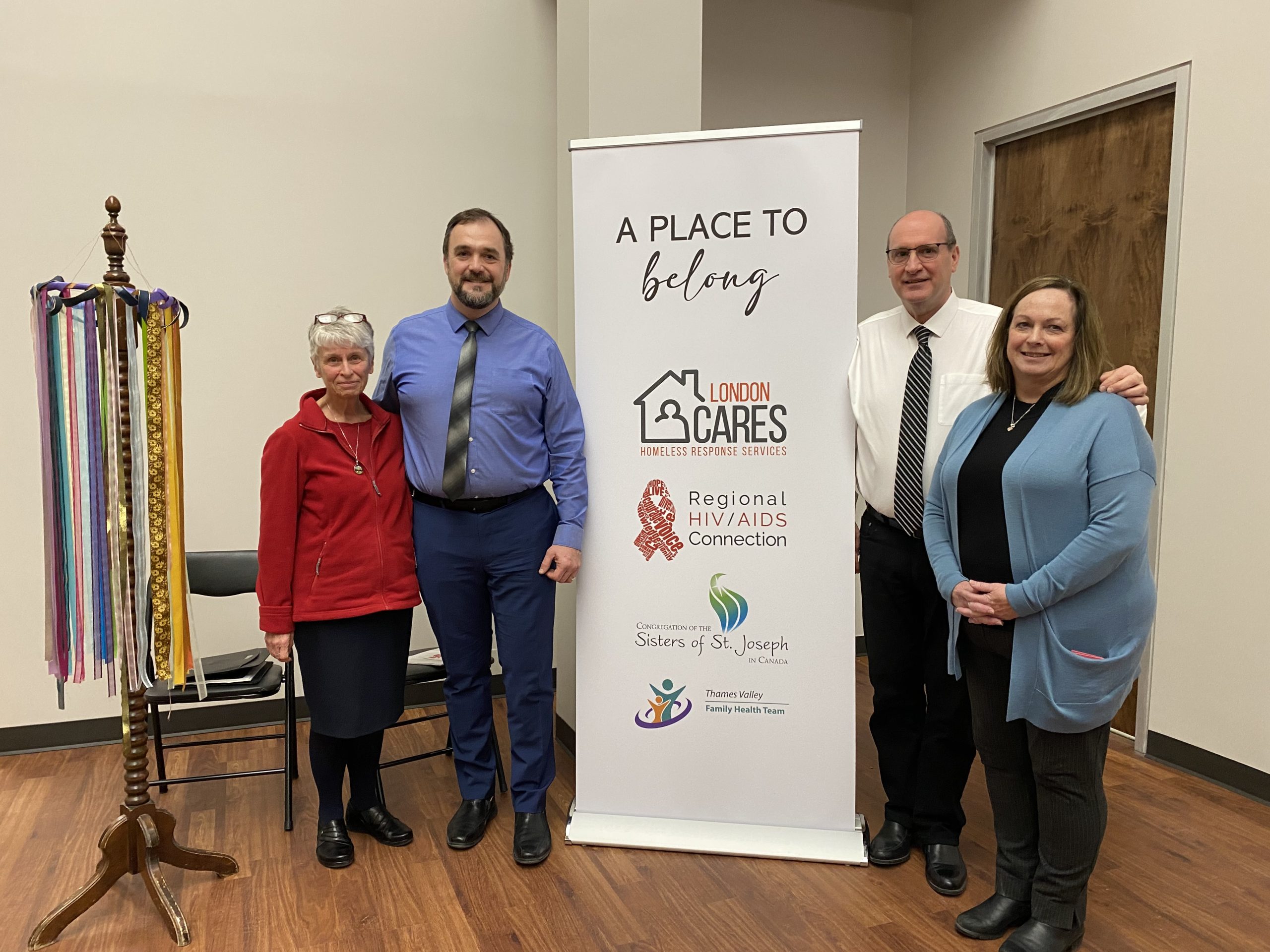
    Officials are gearing up to launch a facility next week that aims to break down barriers for the London, Ont., homeless population through a new collaboration that embeds a health-care provider with local social services organizations.

    It’s called the Community Hub and those leading its operation say its mission is to provide a place to belong for marginalized members in the community.

    Located at 602 Queens Ave., the Hub will be run by London Cares Homeless Response Services (London Cares), the Congregation of the Sisters of St. Joseph, the Regional HIV/AIDS Connection (RHAC) and the Thames Valley Family Health Team (TVFHT).
    The Hub was born out of a renovation at 602 Queens Ave., a three-story, 38,000 sq. ft. building that was a church before it became an early home for Info-Tech Research Group.
    Last year, the Sisters of St. Joseph, RHAC and London Cares opened up St. Joe’s Café inside the building, which served meals for as low as $0.50 for those in need.

    That work evolved into what the Hub has planned, but a $3 million retrofitting project was needed to make way for a new kitchen, an eating area, an elevator and a renovated communal meeting space. Click here for a short video

    Click here for the full article

  • QI in Action eBulletin #125: Patient and Family support for pregnancy loss

    In this Issue:

    • Patient with a pregnancy loss? There is support – for you, and for families
    • Primary care clinicians can directly refer frontline health workers to psychological practitioners for MOH-covered psychological treatment
    • Mental Health Resources
    • CMHA Ontario’s Your Health Space
    • The Indigenous Voice | Daadibaajimo
    • Virtual Care Guidance Statements Checklist for Clinicians and other resources
    • Upcoming Events


    Patient with a pregnancy loss? There is support – for you, and for families
    Content developed by Pregnancy and Infant Loss (PAIL) Network

    Lisa Marie Buccella stands in front of a group of health care workers and shares tips for engaging with patients experiencing possibly one of the worst events of their lives: losing a baby.

    As a parent who has had a loss, she provides feedback on what wasn’t very helpful: Never start a sentence with “At least you have other children…” or “Just be grateful for…”. The room is clearly engaged and pipe up with questions. Families with an experience of pregnancy and infant loss will also share the importance of being connected with meaningful support, and how validating it feels for a professional to offer information and a referral.  

    Offered by Sunnybrook’s Pregnancy and Infant Loss (PAIL) Network, the workshop is just one example of a resource for professionals to help support bereaved parents and families during a loss. PAIL Network also offers suggestions for communication with families, memory making, forming bereavement committees, and practical information and handouts for families on issues like lactation after loss and employment leave.

    For families living in Ontario, PAIL Network organizes peer-led group and individual support services at no cost. The supports are comprehensive, including groups for each trimester of loss, and groups focused on infant/neonatal loss, SIDS, termination of pregnancy, pregnancy after loss, partners in grief and grief after abortion. Referring a family for support can be done online by any health care or service professional through a secure form that is sent directly to PAIL Network and ensures that a family will be contacted to be connected with peer support online or over the phone.

    We encourage you to check out their resources and consider signing up for a session as well as ordering handouts to support families. For more information, visit Pregnancy and Infant Loss (PAIL) Network.

    Primary care clinicians can directly refer frontline health workers to psychological practitioners for MOH-covered psychological treatment
    Content below developed by Ontario Psychological Association

    Primary care providers can now refer patients directly to psychologists from their Electronic Medical Record system (EMR) enabling increased access to timely specialized mental health services. The new development is made possible through a partnership between the Ontario Psychological Association and Ontario’s eServices Program which saw the integration of the Ocean and Strata Health e-referral platforms thereby allowing family physicians, nurse practitioners, and other primary care providers to connect with psychologists.
     
    The Covid-19 Psychological Support Program, funded by the Ministry of Health, ensures that frontline health workers can receive up to 12 psychotherapy sessions with a registered psychologist or psychological associate at no cost. Primary care clinicians wishing to learn more can email opa@psych.on.ca or read our e-referral guidelines for more details. For a demo, please click here.

    Mental Health Resources
    Webinars

    Select Resources

    CMHA Ontario’s Your Health Space
    Just a reminder that the Canadian Mental Health Association, Ontario has launched Your Health Space, a free mental health service for Ontario’s health care organizations. This program provides the training, resources, and tools needed to encourage complex conversations about stress and burnout and promote psychological health and safety in health care workplaces.

    Your Health Space offers self-directed modules and live workshops, the latter of which can be tailored to your organization’s unique needs. This programming is delivered through three distinct spaces designed to address the needs of 1) Leaders, 2) Health Care Workers, and 3) Support Staff working within an organization. Furthermore, Your Health Space has a team of trainers across Ontario that are available to facilitate workshops virtually or in person, at your workplace. Upon completion of the program, primary care teams will receive a digital badge and individuals will receive a digital certificate.

    If you are an organizational leader interested in bringing this free program to your workplace, please visit www.yourhealthspace.ca or contact yourhealthspace@ontario.cmha.ca.

    The Indigenous Voice | Daadibaajimo
    Content developed by IPHCC

    The IPHCC recently launched a public facing newsletter titled: Indigenous Voice | Daadibaajimo to keep the audience informed on how we are improving Indigenous health outcomes and supporting the advancement and evolution of Indigenous primary health care services throughout Ontario. This newsletter is designed for both non-Indigenous and Indigenous audiences as it entails specific content and resources to promote education and awareness about Indigenous Peoples. To learn more about how the IPHCC is shaping Indigenous health care, subscribe to our newsletter here or send an email to communications@iphcc.ca. Click here to view the past issue.

    Virtual Care Guidance Statements Checklist for Clinicians and other resources
    The Virtual Care Guidance Statements Checklist for Clinicians and other support tools for the Clinically Appropriate Use of Virtual Care Guidance in Primary Care are now live on the Ontario Health website. They are currently available in English and French. For feedback/questions, email PCP.Gudance@ontariohealth.ca.

    Upcoming Events

    ECHO Ontario Child and Youth Mental Health
    Beginning January 19, 2023, 12:00-1:00 pm
    Many Ontarian children and youth live in remote and underserved communities. Eighteen percent of Ontarians live in rural areas, where only 2% of the province’s child psychiatrists live. ECHO Ontario CYMH aims to change diagnostic, prescribing, treatment and referral practices of Primary Care Providers (PCPs) who are caring for children and youth with mental health problems. Register here.


    In Case You Missed It: Check out eBulletin #124 or other back issues here!
    Questions? Comments? Contact us at improve@afhto.ca.
  • Bits & Pieces: The experience of primary care teams during the early phase of COVID-19 and more

    Bits & Pieces: The experience of primary care teams during the early phase of COVID-19 and more

    Your Weekly News & Updates


    In This Issue  
    • The experience of primary care teams during the early phase of COVID-19
    • Member stories
    • Evidence of value- Enhanced Primary Care Diabetes (EPCD) team model
    • Corrected link – Healthcare Excellence Canada Opportunity: Partnering on Appropriate Virtual Care
    • Ontario Caregiver Organization 2022 Spotlight Report
    • Updated Post-Covid-19 Condition guidance, vaccination deserts and more
    • Help shape the future of virtual health care in Ontario
    • Comparison of bleeding risk between Rivaroxaban and Apixaban in patients with atrial fibrillation
    • Upcoming events including COVID Therapeutics and more


    The experience of primary care teams during the early phase of COVID-19

    Now published in BMC Primary Care are the results of “The experience of primary care teams during the early phase of COVID-19: A qualitative study of primary care practice leaders in Ontario, Canada”.

    Seventy-one Executive Directors from across all regions of Ontario were interviewed for the study, representing 37% of the AFHTO member clinics. Four themes were identified in the data: i) Complexities of Virtual Care, ii) Continuation of In-person Care, iii) Supporting Patients at Risk, and iv) Stepping up and into New Roles.

    Thank you to all the EDs and Admin Leads who provided your insights. Read more here.


    Member stories

    Espanola FHT – nurse wins prestigious award

    North Simcoe FHT- New clinic offers help for those with COVID-19, flu symptoms

    St. Michael’s Hospital Academic FHT – What the rest of the country can learn from Ontario’s family doctor payment model


    Evidence of value- Enhanced Primary Care Diabetes (EPCD) team model

    Staff clinician group with access to the model found to improve their diabetes care quality, but more research needed- “Evaluation of an Enhanced Primary Care Team Model to Improve Diabetes Care”, The Annals of Family Medicine, November 2022


    Corrected link – Healthcare Excellence Canada Opportunity: Partnering on Appropriate Virtual Care

    The Partnering on Appropriate Virtual Care collaborative will support primary care practices, organizations, and multidisciplinary teams from across Canada to determine when and how virtual care should be used in their respective healthcare settings. Participants will receive up to $20,000 in seed funding to develop a framework that supports shared decision-making with patients, ensuring choices around virtual care are based on patient needs and capabilities, their care requirements and clinician capacity. This program runs between January and November 2023 and involves a range of online learning and design activities. Learn more about the program and how to apply here.


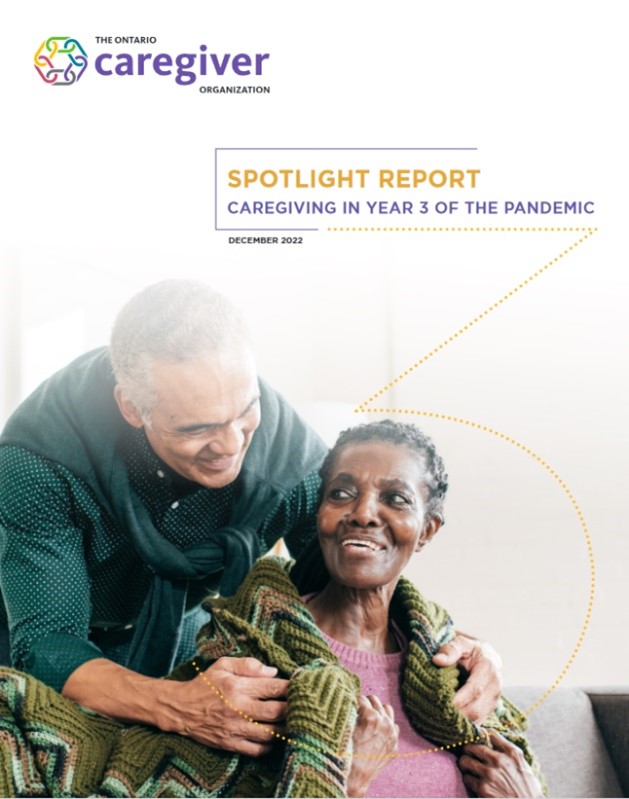
    a black man with greying hair places a throw blanket on the shoulders of an older black woman sitting in front of him as they smile at each other


    Ontario Caregiver Organization 2022 Spotlight Report

    One in four caregivers say their caregiving responsibilities have become more difficult since the easing of Covid-19 restrictions.

    Each year, the Ontario Caregiver Organization looks at the caregiving experience in Ontario and how family caregivers are coping in their role. Although much has changed since 2021’s report, what hasn’t changed is the impact caregiving is having on caregivers. Read the full report here.


    Updated Post-Covid-19 Condition guidance, vaccination deserts and more

    Recent updates include:

    We continue to update multiple pages on our site with resources and news:

    Novel Coronavirus (COVID-19) Updates– the original page, with news and updates. You can find links to related pages here as well.


    Help shape the future of virtual health care in Ontario

    Help shape the future of virtual health care in Ontario! We are looking for patients and caregivers in Ontario to take a 15 to 20-minutes survey on the experiences and expectations with virtual care appointments as a patient or caregiver with a doctor, nurse, or another healthcare professional in a family practice. This study from the University of Toronto and the Bruyére Research Institute is led by Dr. Rachelle Ashcroft and Dr. Simone Dahrouge.

    To take the survey, please click one of the links below:

    As part of our recruitment efforts, we are offering primary care clinics the opportunity to receive a personalized survey link and provide a custom report on the experiences of your patients. If this opportunity interests you, please contact Simon Lam, research coordinator, at sck.lam@utoronto.ca.


    Comparison of bleeding risk between Rivaroxaban and Apixaban in patients with atrial fibrillation

    Dr. Lana Castellucci, Thrombosis Physician and General Internist at The Ottawa Hospital, is leading the COBRRA AF trial (COmparison of Bleeding Risk between Rivaroxaban and Apixaban in patients with Atrial Fibrillation). The aim is to evaluate the safety and bleeding risks of apixaban compared to rivaroxaban for stroke prevention in atrial fibrillation (AF) and atrial flutter (AFL). Current guidelines do not support using one agent over another, but data suggests apixaban has lower bleeding risks. This trial will be the first to directly compare these anticoagulants for bleeding events in AF and to determine the safest treatment.
    We invite you to refer your patients with newly diagnosed AF/AFL to The Ottawa Hospital Thrombosis Unit to be considered for participation. Materials:

    Please note, these documents are meant for staff only, and not for the patients. Please let us know if you have any questions. 


    Primary Care and COVID-19 Support CoP Monthly Call, Jan. to Jul. 2023
    The Community of Practice hosted by Ontario Health to support Primary Care and Covid-19, holds monthly calls, and the new registration link for the first 7 months in 2023 is available. Register here.


    ECHO Programs at UHN, starting Jan 12, 2023

    • Liver Starting Jan. 16
    • Concussion Resumes Jan. 18
    • Chronic Pain/Opioids Starting Jan.12
    • Rheumatology Starting Jan. 14

    Register here.


    COVID Therapeutics, Jan. 20, 2023
    55th in OCFP and UofT’s series “Changing the way we work” on Friday, January 20, 2023, at 7:55-9:15 am. Register here.


    Introduction to CARF Network Standards for OHTs, Jan. 24, 2023
    CARF Canada is hosting a complimentary webinar to describe the relevance of their Network standards for organizations working in partnership for service delivery. Register here.


    OCFP 2023 Family Medicine Summit, Jan. 27-28, 2023
    Features two livestream days on Jan 27 & 28, plus additional pre-recorded sessions. Find out more here.


    ECHO Ontario Conference 2023, Jan. 27, 2023
    Virtual event, titled Integrated Health Systems and the ECHO Model: Lessons Learned in Ontario. Register here.

  • Evaluation of an Enhanced Primary Care Team Model to Improve Diabetes Care

    Research article published in The Annals of Family Medicine November 2022, 20 (6) 505-511

    Evaluation of an Enhanced Primary Care Team Model to Improve Diabetes Care

    Abstract

    PURPOSE Primary care practices manage most patients with diabetes and face considerable operational, regulatory, and reimbursement pressures to improve the quality of this care. The Enhanced Primary Care Diabetes (EPCD) model was developed to leverage the expertise of care team nurses and pharmacists to improve diabetes care.

    METHODS Using a retrospective, interrupted-time series design, we evaluated the EPCD model’s impact on D5, a publicly reported composite quality measure of diabetes care: glycemic control, blood pressure control, low-density lipoprotein control, tobacco abstinence, and aspirin use. We examined 32 primary care practices in an integrated health care system that cares for adults with diabetes; practices were categorized as staff clinician practices (having physicians and advanced practice providers) with access to EPCD (5,761 patients); resident physician practices with access to EPCD (1,887 patients); or staff clinician practices without access to EPCD (10,079 patients). The primary outcome was the percentage of patients meeting the D5 measure, compared between a 7-month preimplementation period and a 10-month postimplementation period.

    RESULTS After EPCD implementation, staff clinician practices had a significant improvement in the percentage of patients meeting the D5 composite quality indicator (change in incident rate ratio from 0.995 to 1.005; P = .01). Trends in D5 attainment did not change significantly among the resident physician practices with access to EPCD (P = .14) and worsened among the staff clinician practices without access to EPCD (change in incident rate ratio from 1.001 to 0.994; P = .05).

    CONCLUSIONS Implementation of the EPCD team model was associated with an improvement in diabetes care quality in the staff clinician group having access to this model. Further study of proactive, multidisciplinary chronic disease management led by care team nurses and integrating clinical pharmacists is warranted.

    Authors:

    • Joseph R. Herges, Mayo Clinic
    • John C. Matulis, Mayo Clinic
    • Dr. Maya E. Kessler, Mayo Clinic
    • Lisa L. Ruehmann, Mayo Clinic
    • Kristin C. Mara, Mayo Clinic
    • Dr. Rozalina G. McCoy, Mayo Clinic

    Relevant Links:


  • The experience of primary care teams during the early phase of COVID-19

    Research article published in BMC Primary Care 23, 294 (2022)

    The experience of primary care teams during the early phase of COVID-19: A qualitative study of primary care practice leaders in Ontario, Canada

    Abstract

    Background

    The COVID-19 pandemic has caused a rapid shift to virtual care in primary care practices around the globe. There has been little focus on the experiences of interprofessional teams through the lens of primary care practice leaders. The objective of this study was to examine the experience of primary care teams during the first wave of the COVID-19 pandemic from the perspective of primary care leadership.

    Methods

    Qualitative study using qualitative description methods. Executive Directors of interprofessional primary care teams belonging to the Association of Family Health Teams of Ontario (AFHTO) were invited to participate. Executive Directors were interviewed and the interview transcripts were analyzed using thematic analysis.

    Results

    Seventy-one Executive Directors from across all regions of Ontario were interviewed for the study, representing 37% of the AFHTO member clinics. Four themes were identified in the data: i) Complexities of Virtual Care, ii) Continuation of In-person Care, iii) Supporting Patients at Risk, and iv) Stepping up and into New Roles.

    Conclusions

    Primary care teams rapidly mobilized to deliver the majority of their care virtually, while continuing to provide in-person and home care as required. Major challenges to virtual care included technological infrastructure and unfamiliarity with virtual platforms. Advantages to virtual care included convenience and time savings. Virtual care will likely continue to be an important mode of primary care delivery moving forward.

    Authors:

    • Dr. Catherine Donnelly, Queen’s University
    • Christine Mills, Queen’s University
    •  Sandeep Gill, Association of Family Health Teams of Ontario
    • Kavita Mehta, Association of Family Health Teams of Ontario
    •  Dr. Rachelle Ashcroft, University of Toronto
  • Espanola FHT nurse wins prestigious award

    The Sudbury Star Published an article on December 29, 2022

    By Helen Morley

    On Thursday, Dec. 15, the Espanola Regional Hospital and Health Centre announced that Chelsea Gagnon a registered practical nurse, working in the Family Health Team, is the recipient of the 2022 WeRPN Michael & Werner Geidlinger Award of Excellence in Palliative Care.

    The announcement states, “She was recognized for having helped many patients and families during their palliative care journeys, as well as advocating for them, providing the best quality of care and helping to meet the patients’ needs and goals.”

    According to Gagnon’s bio on the WeRPN (Registered Practical Nurses Association of Ontario) home page, she began her career as a personal support worker (PSW) at a group home for clients with disabilities. To expand her knowledge, Gagnon decided to pursue a career in nursing at Sault College.

    Upon graduation in 2017, Gagnon returned to her hometown of Espanola. She works in the Family Health Team, with the complex and palliative support team. To train for her role Gagnon took several courses, including Pallium’s Learning Essential Approaches to Palliative Care (LEAP) courses.

    Along with two other nurses, Gagnon and her team, “assess the needs of patients in the community and provide support to individuals with life-limiting illness.” This is a role she has fulfilled for the past year.

    She explains, “We wanted to go into these people’s homes and get to know them so we could provide them with the best quality of life for the time they have.”

    The goal of Gagnon and the complex and palliative support team is to get patients into the program as early as possible so they can, “best support patients’ wishes, follow them along their journeys and assist them in transitioning at the end of life.” They provide, “holistic care that goes beyond a sole focus on patients’ physical ailments, but rather looks at their overall wellbeing, including their mental, spiritual and emotional health.”

    Click here for the full article

  • Year End Message from AFHTO’s President and Board Chair

    Year End Message from AFHTO’s President and Board Chair

    Sara Dalo smiling. Wearing snakeskin blouse.

    Normally I take the month of December for reflection on the past year, but this year was different. Interestingly, I spent the majority of the year overthinking my purpose and goals and brainstorming restorative ways to help my team recover and look ahead.

    Over the year, I have been humbled with personal reflections shared by friends and colleagues; their experiences and reflections helped me get through the challenges that accompanied the recovery phase of the pandemic.

    The AFHTO conference is always a reminder of the exceptional efforts that our members are capable of. All work showcased through concurrent and poster presentations, along with the remarkable initiatives recognized through the Bright Lights, are only a glimpse of the work on the ground, so thank you for all the initiatives you take to help our primary care teams evolve to better serve our communities.

    Examples of the impressive work included, but is not limited to redesigning roles, partnering to offer needed services, and measuring success to demonstrate effectiveness. These examples are strategies that are being leveraged to address identified gaps, while demonstrating value. Congratulations on continuously demonstrating the importance and value of primary care.

    My transition from acute care to a team-based primary care environment 10 years ago was enlightening and it continues to be. Since then, I’ve been promoting team-based care as an effective model for continuous and comprehensive patient-centred care. I need to thank all team members, from administration to front line staff, for helping people see the value in team-based care through their interprofessional collaboration and leadership!

    Let’s continue to demonstrate our value, so that our political decision makers can appreciate the importance of investing in team-based primary care! In addition to presenting at conferences, other opportunities to promote team-based primary care include op-eds, articles, interviews and participating in research studies.

    As we continue to work through the HHR challenges, let’s remain positive through focusing on what is in our immediate control. Identifying strategies through seeking guidance and advice from our team members and OHTs can help us overcome these challenges. We are fortunate to have a strong association that continues to support us through trying times as well as our accomplishments. The advocacy, strong governance and communication shared through AFHTO is invaluable and continues to serve us well as we navigate through life’s unprecedented challenges.

    I would like to take this opportunity to recognize the tremendous amount of work put in by the AFHTO team to support its members throughout the year. The bittersweet news of Kavita’s departure is saddening, but I am sure I speak on behalf of the membership when I commend her for her exceptional leadership and dedication to quality and integrity as she advanced the primary team-based care platform over the last seven years at AFHTO. We wish you all the best in your new venture of this next chapter!

    I would also like to acknowledge the contributions of Beth MacKinnon as she also has decided it is time for her to pursue a new chapter in her life. Beth has spearheaded our advocacy work by helping decision makers appreciate our primary care goals at both the provincial and federal level. Thank you for your dedication over the years, Beth. You will be missed!

    Finally, I’d like to thank Raveen for contributions in the short time she has been with us. Raveen has been accepted into medical school and has decided to pursue that dream. Congratulations Raveen, we hope to see you practice in team-based care in the near future!

    While I appreciate these departures are a lot to digest, we must view these as opportunities to adapt ourselves to the changes that await us. Here’s to our future. Let’s do what we do best- support one another as we navigate the road ahead.

    Thank you again to you all. Wishing you all a Merry Christmas and joyous Holiday Season and a most prosperous and healthy New Year! Enjoy this special time with your loved ones.

    Respectfully,

    Sara's signature


    Sara Dalo,

    President and Board Chair
    Association of Family Health Teams of Ontario

  • COVID-19 Vaccination Information

    Originally posted January 4, 2021. Last updated December 20, 2022 *NEW*

    Resources related to COVID-19 vaccinations based on most recent information shared with AFHTO.


    Government Resources (Provincial and Federal)

    General Resources 
    *NEW*
     
    Guidance documents and clinical resources 
    Planning Immunization for Specific Groups


    NGO and Non-Profit Resources 

    Guidance documents and clinical resources
    Supporting Patients: Shareables
    Information

    Human Resources

    Recommendations
    Policies and Papers

    Webinars

    Some resources have restricted access: * Members-only resources** Triad-only resources

    Return to: Novel Coronavirus (COVID-19) Updates

    Disclaimer: The information in this resource centre represents general guidance developed by AFHTO and their partners, gathered through a rapid, non-systematic scan of relevant and valuable guidelines with an intent to support you in a timely fashion. The information reflects best knowledge at the time of writing and is subject to revision based on rapidly changing circumstances and conditions. As new best practice evidence emerges, recommendations may evolve. The resources above should be considered supplementary guidance and are not meant to replace clinical judgement or organizational directives.

  • Sending warm wishes and cheer| Holiday hours inside

    Sending warm wishes and cheer| Holiday hours inside

    Season’s Greetings

    Snow drifting on a blurred background with sunlight streaming and an evergreen branch in the foreground

    HOLIDAY HOURS

    The AFHTO office will be open Dec. 19- 23, but with significantly reduced staff. The office will close Dec. 26, and reopen on Jan. 3, 2023. We will be monitoring the info@afhto.ca inbox for urgent items only during this time.

    Our very best wishes of the season. Please stay warm and safe.

  • QI in Action eBulletin #124: Celebrating the Resilience of Teams in 2022, QIPs 2023-2024

    In this Issue:

    • Thank You to our Wonderful Teams
    • Celebrating Teams: Collaborating to Improve Palliative Care
    • Celebrating Teams: Filling Gaps in the Community
    • Healthcare Excellence Canada: Partnering on Appropriate Virtual Care
    • Physician Consultations on PHIPA Changes
    • Support Tools for Clinically Appropriate Use of Virtual Care Guidance in Primary Care
    • Quality Improvement Plans (QIPS) 2023/24
    • Farewell and Thank You from Raveen Bahniwal
    • Upcoming Events


    Thank You to our Wonderful Teams
    2022 has been a difficult year for primary care and we want to thank our teams for their resilience and capacity to adapt to the constant challenges that came their way. You have all continued to support not only your patients but non-rostered patients in your communities, collaborated with partners to advance your programs and continued to advocate for the ongoing expansion of team-based care. We aren’t able to highlight all the wonderful work for teams in 2022 in this short newsletter, but we encourage you all to read our Annual Report and explore our Bright Lights Nominees and Award Winners.

    Celebrating Teams: Collaborating to Improve Palliative Care

    Care for Palliative End of Life Patients with Bancroft FHT

    Content developed by Bancroft FHT
    In April 2022 the Bancroft Community Family Health Team formed a partnership and collaboration with North Hastings Hospice in Bancroft Ontario to provide an alternative level of care to their palliative end of life patients and residents of the community.

    Through the System Navigation Program, patients can be referred directly from physicians, nurse practitioners, Home and Community Care Services, Hospitals, and other community support agencies. The Palliative System Navigator RN will complete the initial intake process by meeting with the patient to discuss their end-of-life care and wishes. The nurse will then make the appropriate arrangements for the patient, coordinating in home services or admission to Hospice House in collaboration with one of the BCFHT FHO physicians.

    The goal is to provide effective, quality, compassionate, and coordinated care to palliative end of life patients and community residents in an appropriate setting while at the same time reducing hospital admissions. For any questions, please email mkelly@bancroftfht.com.

    Couchiching FHT Streamlines Access to Palliative Care Resources

    Couchiching FHT has provided leadership and resources to the Couchiching Palliative Care Working Group for several years. With the creation of the Couchiching Ontario Health Team (COHT), this working group was able to leverage the strong collaboration within the COHT to make incredible strides towards accomplishing their goals.

    This group of service providers and system users has created a central referral system which went live in February 2022. There is one referral form to access all palliative care services in the sub-region and a list of primary care practitioners who will accept non-rostered palliative patients, so no palliative patient in Couchiching is going without primary care. In addition, they have streamlined and coordinated resources to reduce duplication and make it easier for patients and their caregivers to find the right resources at the right time. For more information, please email a.munday@cfht.ca.

    Celebrating Teams: Filling Gaps in the Community

    Community Newborn Program at the Belleville NPLC

    Content provided by Belleville NPLC
    The purpose of the Community Newborn program is to provide follow up care to newborns who do not have a primary care provider in the community. Infants are seen by the program staff within 72 hours of discharge from the hospital. The Community Newborn Program consists of a Nurse Practitioner-Paediatrics, a Registered Nurse, and an Admin Support who each work 20 hours per week to support patients in this program. The NP and RN provide routine follow up care and non-emergent assessments for the infants up until 6 months of age. They also provide routine vaccinations for siblings of their infant patients who also do not have a primary care provider. For any inquiries about this program, please email admin@bnplc.ca.

    Prenatal and Well Baby Program at Barrie and Community FHT

    The Prenatal and Well Baby (PNWB) Program provides prenatal and well-baby care for women and children (up to the age of 6) without a family physician in the Barrie and surrounding area. The program has nurses, nurse practitioners, physicians and lactation consultants that provide care, education and referrals into community supports. The program also performs tongue tie releases and has a paediatrician available for consultation.

    Throughout the pandemic, the PNWB Program and Breastfeeding Services continued to see patients daily for essential care. During the pandemic, the Barrie area has seen an influx of new residents. Many of these new community members do not have a family doctor close to home, and the PNWB clinic is a place they can receive this essential service in the community they live. For more information, please click here and for any questions, please email jthomas@bcfht.ca.

    Healthcare Excellence Canada Opportunity: Partnering on Appropriate Virtual Care
    The Partnering on Appropriate Virtual Care collaborative will support primary care practices, organizations, and multidisciplinary teams from across Canada to determine when and how virtual care should be used in their respective healthcare settings. Participants will receive up to $20,000 in seed funding to develop a framework that supports shared decision-making with patients, ensuring choices around virtual care are based on patient needs and capabilities, their care requirements and clinician capacity. This program runs between January and November 2023 and involves a range of online learning and design activities. Learn more about the program and how to apply here.

    Physician Consultations on PHIPA Changes
    The Ministry of Health is seeking physicians interested in participating in a focus group to talk about their experiences with the Personal Health Information Protection Act, 2004 (PHIPA). This work is part of the Ministry’s Dialogue on Data engagement strategy. Your knowledge and experience will inform the development of a data strategy report to the Ontario Health Data Council that will be seen by the Minister of Health, the Information and Privacy Commissioner of Ontario, and many other important stakeholders. Click here to learn more. Focus groups will take place January 17 to 19, from 12-1 pm and we are looking for 20 physician volunteers spread over the three days. If you are interested in participating, please email info@afhto.ca.

    Support Tools for Clinically Appropriate Use of Virtual Care Guidance in Primary Care
    The two patient-facing support tools for the Clinically Appropriate Use of Virtual Care Guidance in Primary Care are now live on the Ontario Health website. The patient-facing tools, ‘Learning about Virtual Care Options’ and ‘Checklist for Use of Virtual Care’, are currently available in English and French. There is work underway to translate the patient-facing tools into additional languages. This will be made available on the Ontario Health website when ready. For feedback/questions, email PCP.Gudance@ontariohealth.ca.

    Quality Improvement Plans (QIPs) 2023/24
    Ontario Health announced the start of the Quality Improvement (QIP) program cycle for 2023/24. This year’s QIPs will continue to focus on a small number of quality issues that are important to the health care system, such as issues that have been particularly impacted by COVID-19 and need our attention to help support health system recovery.

    Priority indicators have been developed in consultation with the Ministry of Health, Ministry of Long-Term Care, and other teams across Ontario Health; however, organizations may also choose to focus on local issues that are important to their communities. Ontario Health encourages organizations to work on improving equity and supporting cultural safety and responsiveness. Organizations can choose to add custom indicators aimed at improving equitable access to care and/or share goals in the Narrative section.

    QIP Navigator, the online QIP development and submission platform, has been updated for this year’s submission and is now open for 2023/24 QIP submissions. Organizations can download pre-populated templates and current performance will be pre-populated with administrative data in January where available. Ontario Health will be hosting drop-in sessions on Zoom which are optional and will provide you with an opportunity to ask questions about the QIP program, QIP Navigator and learn about available quality improvement resources. QIPs must be submitted by March 31, 2023. Please email QIP@ontariohealth.ca if you have any questions or concerns.

    Planning Resources:

    Farewell and Thank You
    To end this ebulletin with some bittersweet news, I will be leaving AFHTO at the end of December to begin medical school in January. Thank you to all our members and partners for sharing your stories and initiatives with me. It was a pleasure for me to bring you these monthly ebulletins and KTE webinars. I will truly miss this community but hope our paths cross again someday. Stay tuned to the next ebulletin in January and have a wonderful holiday season. –Raveen Bahniwal, Quality Improvement and Knowledge Translation Specialist

    Upcoming Events

    HSPN: IFIC Canada and Health System Performance Network Virtual Community

    Tuesday, December 20, 2022, 12-1:30 pm
    Integration is the lever to enable population health and well-being. A key component of integration is the role of partnering with the volunteer sector to improve outcomes for our patients, caregivers, and our population. In this session, we will take a deep dive to learn firsthand about the role of engaging the volunteer sector from the perspectives of policymakers, researchers, and a person with lived experience. This session will discuss the available evidence, the volunteer sector’s role in policy, and share approaches and practical examples of local work that engages with the volunteer sector. Register here.

    ADVANCE Special Topic Series- Balancing Task and Process in Leading Integrated Care Systems
    Monday, January 9, 2023, 12-1 pm
    Developing integrated care systems often requires newly constituted intersectoral teams to form and rapidly engage in mutually reinforcing activities of integration, while attending, in parallel, with the processes by which these new teams engage in collaborative leadership, decision-making and/or system improvement. Professor Robin Miller, based at the University of Birmingham, will discuss the promise and pitfalls of collaborative leadership within integrated care systems and how attending to process can support inter-sectoral teams to achieve the aim of collaborative governance. To register, click here.


    In Case You Missed It: Check out eBulletin #123 or other back issues here!
    Questions? Comments? Contact us at improve@afhto.ca.