Category: Uncategorized

  • Mandatory Vaccines in the Workplace – Policy Update from Maria McDonald

    November 1, 2022

    Here is an update from Maria McDonald, McDonald HR Law, for employers on mandatory vaccines in the workplace. 

    1. Employers do not have to legally justify vaccination requirements for new hires. It is the employer’s prerogative to require vaccination against COVID as a condition of hire. An employer can refuse to hire based on vaccination status without any legal ramification, subject to the limited medical and religious exemptions under the Ontario Human Rights Code. However, the employer will have to consider non-legal factors such as:

    • Recruitment and staffing pressures. 
    • What current staff will think and feel if the new hires don’t have to be vaccinated (especially if current employees were subject to a mandatory vaccination policy in 2021)

    2. The legal and operational issue for employers is will they force employees to get booster doses for the fall/winter of 202/2023. There is no need to forecast beyond that, as we have no idea where we will be in spring of 2023.

    3. There are reasons/arguments for and against mandatory booster doses:

    a) COVID-19 continues to be a significant concern (the following are Ontario numbers as of October 15, 2022)

    • The number of reported cases are approximately 10,000 per week (and we know this is under reported)
    • There are still 450 to 500 hospitalizations per week
    • The number of weekly deaths are at approximately 70 

    b) Vaccinations reduce hospitalizations and deaths

    • The rates of hospitalizations and deaths are highest among those who are not vaccinated.
    • Booster doses have proven to be effective in reducing hospitalization and deaths among those who have been vaccinated.
    • However, this has to be kept in perspective:
      • The majority of hospitalizations are people 60+ years old
        • age 60 to 79 = 160
        • age 80+ = 230
        • Total 190 out of 464 hospitalizations
    • The majority of deaths are also 60+ years old 
      • age 60 to 79  = 22 deaths
      • age 80+ =  47 deaths
      • total 69 out of 72 deaths
    • The people most impacted are likely 70+. As such, employees under 70 (the majority of employees) are not the most impacted by COVID. 

    c) The evidence that vaccination curbs or reduces transmission is not clear and has not been established. As such, employers cannot justify mandatory booster doses based on reduced transmission 

    d) Employers require mandatory booster doses based on:

    •  the science that booster doses will help keep their staff safe and reduce likelihood of hospitalizations and deaths.
    •  The MOH recommendation that All Ontarians aged 12 and over are encouraged to stay up to date with their vaccinations and get a bivalent booster dose at a recommended interval of six months after their last dose, as evidence shows that vaccine protection decreases over time.  https://www.ontario.ca/page/covid-19-vaccines. 

    4. State of the law in Ontario

    • There is support for mandatory booster doses in a recent arbitration decision out of British Columbia. The union argued the mandatory vaccination policy (which did not require boosters) should not be enforced any further because:
      •    The science does not support that vaccines reduce transmission
      •    There are anti-viral drugs to reduce the impact of COVID
      •    PPE measures etc. are a less intrusive way to keep people safe

    • The arbitrator accepted the evidence that vaccines do not reduce transmission. But it nonetheless upheld the mandatory vaccination policy on the basis that:
      •    Vaccines keep employees safe from COVID 
      •    The policy was following the recommendation of public health

    • We don’t know if this decision will be followed in Ontario.
    • In the case described above, the employer had never terminated an employee. They instead put employees on an unpaid leave of absence.

    5. Considerations for employers 

    • There are certainly rational justifications for employers to implement mandatory boosters.
    • The justifications will be personal employee safety and an available workforce.
    • The policy cannot be justified on reduced transmission (at least right now, subject to new evidence).
    • The mood and morale of their current workforce – do they need such a policy to keep people? Will it cause current employees to leave? 
    • Their staffing and recruitment issues. Are they desperate for new hires and will a mandatory booster policy help or hinder this?

    Just as with the original vaccination policies, we do not know if a court will allow an employer to terminate with cause (and no payment of termination payments) for failure to get a booster because there is no case law on this. Even if there was, each case would have to be determined on its own facts, so even if an employer does implement a mandatory policy, termination for cause is still going to be a legal risk.
     

  • Ministry Communications Toolkit, OCFP Resources and Science Table Brief on Primary Care Webinar

    Dear Members,

    As we move into another fall season where we are seeing hospital emergency department surges due to an increase in respiratory viral illnesses in Ontario, it’s even more critical to ensure everyone gets their flu shot and stays up to date on their COVID19 booster shots. Flu shots for the general public should be available as of November 1st through primary care offices and pharmacies – if you are having issues with accessing your vaccines, please connect with your PHU to facilitate distribution. As we prepare for what may be a difficult fall, we wanted to share with you some resources and tools you may find helpful.

    From the Ministry of Health
    The Ministry has developed a toolkit of communication resources with key messages and materials to help ensure Ontarians have a clear understanding of the COVID-19 booster dose recommendations and the importance of why and when they should receive a booster dose. Booster doses are recommended to everyone aged five and over to help restore protection that may have decreased since their last dose:


    • Individuals aged five and over who are not considered high risk for severe COVID-19 illness are recommended to receive a booster dose six months since their last dose.
    • It’s strongly recommended that the following individuals get a booster dose after three months:

    The toolkit includes:

    The Ministry has shared the most recent slide deck from October 14, 2022, which contains the provincial dashboard on COVID vaccination by age groups and priority populations. Note that Page 4 contains a Flow Diagram for COVID-19 Booster Vaccination – When Should you get a Booster Dose that may be helpful when counseling patients.  

    The Ministry also shared the Indigenous Vaccination Dashboard which lays out the rollout of the COVID-19 vaccine to Indigenous adults, including Operation Remote Immunity. This includes First Nations, Métis, Inuit, and urban populations 5+. The IPHCC has done tremendous work in addressing vaccine hesitancy and increasing vaccination in the Indigenous communities using culturally safe learnings and approaches. Members are encouraged to read through the work done to date and to utilize the rich resources that are available for use.

    Other updated Ministry of Health resources you may find helpful:

    •  COVID-19 vaccine guidance (MOH, October 13) (EN, FR)
      • Monovalent Pfizer-BioNTech Primary Series for 6 months –4 years
      • Updated recommendations for those who are pregnant and/or breastfeeding (alignment with NACI)
      • Bivalent Pfizer-BioNTech booster for 12 years and older (available this week in Ontario)
      • “There is no preference between bivalent Pfizer-BioNTech and bivalent Moderna for booster doses in individuals 18 years of age and older”
    • Storage and handling of Pfizer-BioNTech’s COVID-19 vaccines (MOH, updated October 13) (EN)
    • COVID-19 vaccine consent and notice form (MOH, updated October 6) (EN, FR)
    • COVID-19 guidance: Long-term care homes, retirement homes, and other congregate living settings for public health units (MOH, updated October 6) (EN, FR)
    • COVID-19 provincial testing guidance (MOH, updated October 6) (EN, FR)

    Other Helpful Tools and Resources from the OCFP

    The Ontario College of Family Physicians (OCFP) has developed several tools that you may find helpful when managing patients with respiratory symptoms in your clinics:

    From Ontario Health
    As noted in our October 6th communique to EDs and admin leads, Ontario Health had sent out a memo on October 3 on Evusheld, a therapy against COVID-19. The memo was for healthcare providers and outlines what Evusheld is, who can receive Evusheld, and how to access it for eligible patients. It also includes a link to a revised toolkit for providers who may be prescribing or administering Evusheld.

    If you have not seen it, the memo with all the resource links can be found here – EN FR.  The memo also references the following resources:

    • Information about Evusheld (tixagevimab and cilgavimab): Reference for health care providers who may be prescribing or administering Evusheld EN
    • Patient handout on Evusheld EN FR

    Events and Webinars

    Breakfast Webinar: Highlights and Implications of the Ontario Science Table’s Brief on Primary Care
    On October 3, 2022, the Ontario COVID-19 Science Advisory Table (OST) released its final brief, a 3-part exploration of how primary care responded to and was affected by the pandemic, and implications for ongoing health system planning and policy:

    Join on November 30th at 7:45 a.m. to 8:45 a.m. to hear from key primary care leaders as they share some of the more significant findings and implications. Panelists include:

    • Dr. Imaan Bayoumi: Assistant Professor of Family Medicine and Public Health Sciences at Queens University, Family Physician, Member of the Ontario Science Table
    • Dr. Danielle Martin: Chair of the Department of Family and Community Medicine at the University of Toronto, Family Physician at Women’s College Hospital, Member of the Ontario Science Table
    • Dr. Noah Ivers: Family Physician at Women’s College Hospital, Scientist at the Women’s College Research Institute, Associate Professor in the Department of Family and Community Medicine at the University of Toronto, Member of the Ontario Science Table
    • Dr. Jennifer Rayner: Director of Research and Evaluation at the Alliance for Healthier Communities, Adjunct Research Professor at Western University, Contributor to the Ontario Science Table Briefs on Primary Care

    IPAC for Non-clinical Staff (PH Ontario)
    This course is designed specifically for people who don’t have formal health care training and work in a congregate living environment. It will provide learners with the IPAC knowledge they need to keep themselves, their patients, and their co-workers safe from infections in workplaces like shelters, group homes, residential treatment centres and other facilities. Participants will learn how to conduct a risk assessment, perform proper hand hygiene, when and how to use personal protective equipment safely, the basics of administrative and environmental infection control measures, and best practices for outbreak management. Click here to learn more.

    Thank you again for all you are doing to keep your patients and the community safe. If you need any assistance or have any questions, please do not hesitate to contact us. Stay safe and Happy Halloween.

    Yours in good health,

    The AFHTO Team

  • QI in Action eBulletin #122: Clinically Appropriate Use of Virtual Care in Primary Care

    In this Issue:

    • Phase One Guidance for Clinically Appropriate Use of Virtual Care in Primary Care
    • Wawa FHT in the News
    • Canada-Wide Study on Health Equity and Virtual Primary Care
    • Upcoming Events


    Phase One Guidance for Clinically Appropriate Use of Virtual Care in Primary Care
    Content below developed by Ontario Health and edited for length

    Dr. David Kaplan, Vice President, Quality, at Ontario Health, and Co-Chair of the Primary Care Expert Panel for Guidance for Clinically Appropriate Use of Virtual Care, explains how the guidance was developed, informed and why it can be a helpful resource for primary care clinicians.

    Q: Why is Ontario Health developing guidance for clinically appropriate use of virtual care?
    A:  As we know, the COVID-19 pandemic spurred the necessity for the health care system to pivot and rapidly adopt new ways of using available technology to reach patients and deliver care. While this was an extraordinary feat and has paved the way for the innovation we are seeing within health care, there have been reports of variation in practice and clinicians and patients alike have questions about the ‘best’ uses of virtual care. To address some of the questions about virtual care and put the learnings gleaned over the pandemic into practice, we, at Ontario Health, thought it would be helpful to build on the work previously conducted by the Ontario Telehealth Network (OTN) and provide some new guidance to clinicians around virtual care.

    The Ministry of Health provided funding to Ontario Health to undertake this work and develop guidance for clinically appropriate use of virtual care. While important for all specialties, we started with developing virtual care guidance for primary care because we felt it had the potential to reach more people across Ontario and have the most impact. Over time, Ontario Health will develop tailored guidance documents that apply to other specialties.

    Q: What does the guidance include?
    A: The Phase I Guidance is expected to be released this fall. These materials are intended to be used by primary care clinicians and lays the foundation for decision-making around use of virtual care, patient-centric approaches, and respecting clinicians’ comfort with virtual care. The guidance also outlines the supports available to both clinicians and patients related to virtual care. Patient-facing ‘tools’ have been developed to complement the guidance materials and can assist clinicians to explain virtual care, the various modalities of virtual care and support patients to decide if virtual care is appropriate for their needs. We want clinicians to feel confident in their decisions related to virtual care.

    Q: How has the guidance been developed?
    The development of the guidance was modeled after related work led by Ontario Health, such as Quality Standards and Person-Centred Virtual Cancer Care Clinical Guidance. A review of statements, policies and standards set out by professional regulatory agencies, an inventory of existing guidelines and evaluation of these guidelines against a method for determining strength of this guidance, and a scoping review was conducted. We also looked at available data to determine how virtual was being used in Ontario to help inform our work.

    A primary care-specific expert panel was also established to help give direction to this work and included a mixed membership of primary care physicians, nurse practitioners and patient partners. It was important to our project team to include people from each of the six Ontario Health regions so we could be inclusive of and capture how primary care exists and is practiced across the province.

    Q: How has the use of virtual care shifted?
    A: Before March 2020, clinicians had regularly used the telephone for sharing lab results and refilling medication prescriptions. Video was being used, but primarily by specialists in Ontario and only if certain conditions were met. It was also used by primary care clinicians, though on a smaller scale. Virtual care in this context wouldn’t have been considered ‘mainstream’ until the pandemic.

    Through work we conducted with INSPIRE-PHC, a research group based out of Queen’s University, we’ve been monitoring use of telephone and video primary care delivered by clinicians. Recent data demonstrates virtual care continues to see uptake and use in primary care settings. This is a formative time for the evolution of virtual care in primary care and Ontario Health’s guidance can support primary care clinicians to take a systematic, stepwise approach to planning and delivering virtual care.

    The Guidance for Clinically Appropriate Use of Virtual Care in Primary Care is expected to be released later this Fall and we will share once they are available.  

    Wawa FHT in the News
    In a twist on the traditional rural-to-urban referrals, Wawa FHT received a request for help from a nearby urban centre. With no providers delivering medical abortions in the city or surrounding area, Wawa FHT expanded their medical abortion program to include a virtual component and provide care to this underserviced urban population. The team won a 2022 Spotlight Bright Lights Award and has been featured on CBC News.

    Canada-Wide Case Study on Health Equity and Virtual Primary Care
    Dr. Jay Shaw is leading a project with the Canadian Network for Digital Health Evaluation that aims to gain insights into how primary care organizations across Canada have successfully incorporated health equity into virtual primary care design, implementation, and delivery. The Primary Care Research Network is inviting primary care organizations across Canada to participate in a 30-to-40-minute phone interview about how equity considerations were incorporated when they implemented virtual primary care. For more information, email the research coordinator, Simone Shahid, at WCH.

    Upcoming Events
    Guidance for Clinically Appropriate Use of Virtual Care
    Wednesday, November 9, 2022, 8-9 am
    Please join Dr. David Kaplan and Dr. Risa Bordman from the Primary Care Expert Panel – Guidance for Clinically Appropriate Use of Virtual Care, as they present the third of a 3-part series on the Guidance for Clinically Appropriate Use of Virtual Care.  Please register in advance.  

    Primary Care Report: Using Data for Improvement – a focus on using the opioid prescribing indicators to drive improvements in patient care
    Thursday, November 10, 2022, 12-1 pm
    Ontario Health is hosting a webinar for primary care providers on using the opioid prescribing indicators in the MyPractice: Primary Care report to drive improvements in patient care. Please REGISTER HERE to join the session. This is the fourth installment of an accredited series that will focus on using data from the MyPractice: Primary Care report for quality improvement. This 1-credit-per-hour Group Learning program has been certified by the CFPC and the Ontario Chapter for up to 1.0 Mainpro+Ⓡ credits.

    Supporting Caregivers Supports Patients- The Critical Role of Primary Care in Preventing Caregiver Burnout
    Thursday, November 24, 2022, 12-1 pm
    Primary care providers can play a key role in preventing burnout and enhancing caregiver well-being by initiating early interventions and connecting caregivers to support. Co-hosted by The Ontario Caregiver Organization and the Primary Care Collaborative, this webinar will include insights from a caregiver with lived experience, as well as examples of primary care initiatives across Ontario that are connecting caregivers to support. Click here to register.

    Highlights and Implications of the Ontario Science Table’s Brief on Primary Care
    Wednesday, November 30, 2022, 7:45-8:45 am
    On October 3, 2022, the Ontario COVID-19 Science Advisory Table (OST) released its final brief, a 3-part exploration of how primary care responded to and was affected by the pandemic, and implications for ongoing health system planning and policy. In this webinar, you will hear from a panel of primary healthcare experts who contributed to that brief, as they share some of the most significant findings and implications. To register, click here.

    Climate Conscious Inhaler Prescribing
    Thursday, December 8, 2022, 12-1 pm
    This webinar will explore the carbon footprint of healthcare systems and how inhalers contribute to it, examine two problems related to inhaler prescribing and imagine practice change that results in an immediate reduction in emissions: “high value, low carbon care”. To register, click here.


    In Case You Missed It: Check out eBulletin #121 or other back issues here!
    Questions? Comments? Contact us at improve@afhto.ca.

  • Bits & Pieces: highlights and implications of the Ontario Science Table’s brief on primary care and more

    Bits & Pieces: highlights and implications of the Ontario Science Table’s brief on primary care and more

    Your Weekly News & Updates


    In This Issue  
    • Highlights and implications of the Ontario Science Table’s brief on primary care, Nov. 30
    • Respiratory Therapist Week
    • Wawa FHT unveils new artwork on journey of Truth and Reconciliation
    • Hybrid workspace resources
    • Quality standard on medication safety recorded webinar
    • Upcoming events including Managing Influenza-like Illness this Fall and more


    Highlights and implications of the Ontario Science Table’s brief on primary care, Nov. 30

    On October 3, 2022, the Ontario COVID-19 Science Advisory Table (OST) released its final brief, a 3-part exploration of how primary care responded to and was affected by the pandemic, and implications for ongoing health system planning and policy. In this webinar, you will hear from a panel of primary healthcare experts who contributed to that brief, as they share some of the most significant findings and implications.

    Panelists:

    • Dr. Imaan Bayoumi
    • Dr. Danielle Martin
    • Dr. Noah Ivers
    • Dr. Jennifer Rayner

    Bring your own breakfast! Register here.


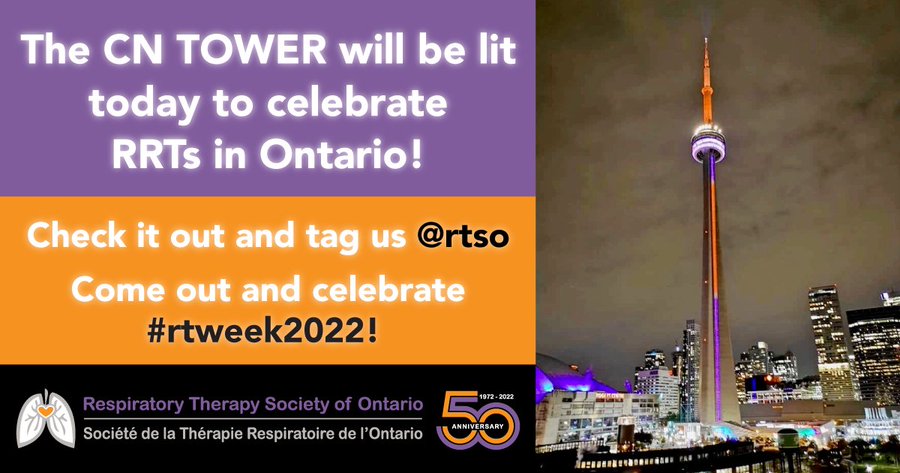
    text- The CN Tower will be lit today to celebrate RRTs in Ontario! Check it out and tag us @rtso Come out and celebrate #rtweek2022! Image to the right- CN tower lit in orange and purple

    Respiratory Therapist Week

    Thank you to all the respiratory therapists working in primary care teams, helping your patients breathe that much easier. RTSO is lighting Ontario landmarks this week in recognition. #RTWeek2022


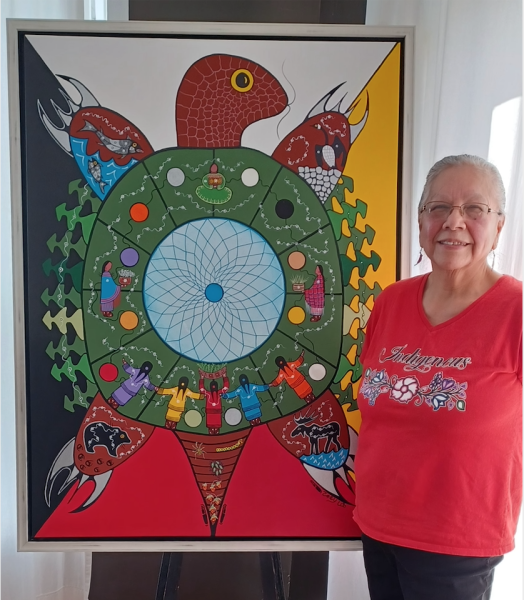
    The artist Zoey Wood-Salomon stands to the right of her piece, a turtle with people on the circumference of its shell


    Wawa FHT unveils new artwork on journey of Truth and Reconciliation
    On September 21, 2022, at Naturally Superior Adventures, Wawa FHT celebrated the unveiling of the clinic’s new painting. Learn more here.


    Hybrid workspace resources

    Resources shared by the Knowledge Institute on Child and Youth Mental Health and Addictions:


    Quality standard on medication safety recorded webinar

    Ontario Health and the Ontario College of Pharmacists co-hosted a webinar, “Introduction to the Medication Safety Quality Standard and the Assurance and Improvement of Medication Safety Program” on October 19, 2022. The session introduced OH’s recently released quality standard on medication safety and described how it can be used to drive quality improvement and improve care for people in Ontario throughout the health care system. The session also discussed how the Assurance and Improvement in Medication Safety (AIMS) program supports a culture of medication safety.

    The recorded webinar can be accessed by clicking here (passcode: OHOCP2022!).


    Helpful strategies to address mental health in children, Oct. 26, 2022

    Part of OCFP’s Practising Well COP. Find out more here.


    Managing Influenza-like Illness this Fall, Oct. 28, 2022

    51st in the series “Changing the way we work” on Friday, October 28, 2022, at 7:55-9:00 am. They’ll discuss how we can prepare for an anticipated increase in COVID, influenza, and other viral illnesses in the coming months. Hosted by OCFP & UofT. Register here.


    Guidance for Clinically Appropriate Use of Virtual Care, Nov. 9, 2022
    Join Dr. David Kaplan and Dr. Risa Bordman from the Primary Care Expert Panel – Guidance for Clinically Appropriate Use of Virtual Care, as they present the third of a 3-part series on the Guidance for Clinically Appropriate Use of Virtual Care.  This webinar is part of the Primary Care and COVID-19 Support CoP Monthly Series. Register in advance.


    OPHA 2022 Fall Forum, Nov. 8-9, 2022
    The Next Chapter: Building Upon Our Capacity and Resilience in Community and Public Health. Find out more here.


    Data To Action: Making Your Data Visible and Useful, Nov. 30, 2022
    Webinar on data visualization by TechSoup Connect Ontario Chapter. Register here.


    2023/24 cQIP Information Session, Nov. 23, 2022
    Hosted by Ontario Health, this will focus on the development and planning of collaborative Quality Improvement Plans (cQIPs) for FY 2023-24. Register here.

  • Bits & Pieces: strengthening mental healthcare delivery and more

    Bits & Pieces: strengthening mental healthcare delivery and more

    Your Weekly News & Updates


    In This Issue  
    • Strengthening mental healthcare delivery in primary care
    • October is Occupational Therapy Month
    • IPHCC Wise Practices Guide
    • OurCare national survey deadline extended to Oct. 25
    • Ontarians aged 12+ eligible for bivalent booster and more
    • Wound care champion program
    • Call for papers: International Conference on Integrated Care
    • Health Canada recorded webinar: exceptions to the prescription drug list
    • Upcoming events including social prescribing and more

    Strengthening mental healthcare delivery in primary care

    The OMA and the Primary Care Collaborative have released a joint policy paper with recommendations to strengthen mental healthcare delivery in primary care.

    The rate of new mental health and addiction diagnoses is increasing, exacerbated by the ongoing impacts of the pandemic. Approximately three-quarters of Canadians rely on their primary care provider to address their mental health needs, but there are longstanding system gaps that must be addressed to enhance the ability of primary care doctors to deliver mental health care. Read more here.


    Text in the middle of intertwined rope of different colours forming a heart. I 'heart' OT. October is #OTmonth in Canada

    October is Occupational Therapy Month

    Thank you to all the occupational therapists working in primary care teams, aiding patients’ mental health, and providing opportunities for seniors to age in place.


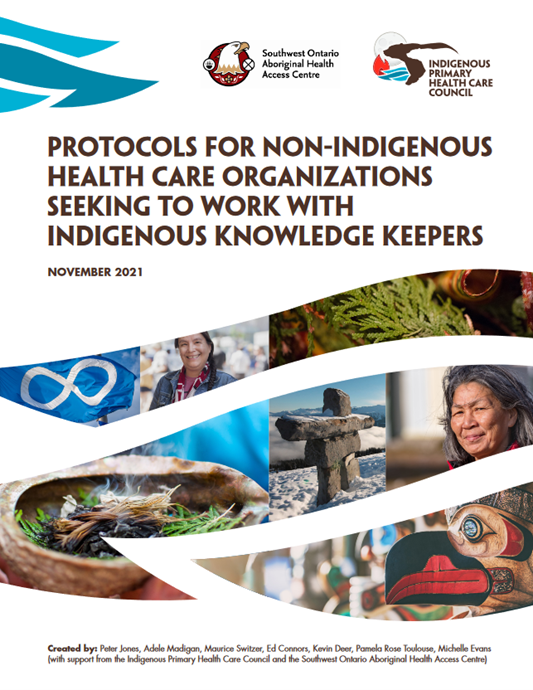
    Cover with IPHCC and SOAHAC logos at top. Below pictures of indigenous women, an inukshuk, smudging materials and a totem pole


    IPHCC Wise Practices Guide
    IPHCC has launched a guide titled Protocols for non-Indigenous health care organizations seeking to work with Indigenous Knowledge Keepers. As an expanded component of the Improving Indigenous Outcomes project, this Wise Practices Guide was developed to highlight how non-Indigenous partner organizations can safely and respectfully engage with Indigenous Elders and Knowledge Keepers. Find out more here.


    OurCare national survey deadline extended to Oct. 25

    Dr. Tara Kiran, a researcher from MAP Centre for Urban Health Solutions (Unity Health Toronto), and St. Michael’s Hospital Academic FHT physician, is leading an important project on the future of primary care. As part of the project, she is conducting a research survey to hear from people across Canada about their experiences and priorities. Study findings will be shared with policymakers and used to shape a blueprint for the future of primary care in Canada.

    Help the study team hear from as many people as possible. Use these materials to encourage patients and the public to take the 15-minute research survey. Deadline extended to Oct. 25.


    Ontarians aged 12+ eligible for bivalent booster and more

    Recent updates include:

    We continue to update several pages on our site with resources and news:


    Wound care champion program

    To help address the rising incidence of acute and hard-to-heal wounds, Wounds Canada and the Registered Nurses’ Association of Ontario (RNAO) are launching the Wound Care Champion Program (WCCP), designed to deliver evidence-informed, interdisciplinary novice-to-proficient level wound education to front-line clinicians. Two hundred spots in Ontario are being sponsored by the Ministry of Health for regulated health-care professionals in the home and community care sectors. Deadline Dec. 16.


    Call for papers: International Conference on Integrated Care

    The 23rd International Conference on Integrated Care (ICIC23) will take place in Flanders from 22-24 May 2023. They are accepting paper submissions on research, policy, practice or education and specifically related to the Conference Themes and the 9 Pillars of Integrated Care until Monday, 31 October. For more information visit www.integratedcarefoundation.org/ICIC23.


    Health Canada recorded webinar: exceptions to the prescription drug list

    Health Canada has a recorded webinar about the initial information-gathering consultation on exceptions to the Prescription Drug List. The consultation was launched on July 28 and will close on November 29, 2022.This recorded webinar provides information on how to submit your consultation feedback. You can access it here.

    Heath Canada would appreciate your feedback about which existing exceptions are still needed and why, as well as any possible impacts that could occur if drugs that are currently considered exceptions were to be added to the Prescription Drug List. You can access the consultation here.

    This work aims to ensure that exceptions to the Prescription Drug List meet the needs of patients, caregivers, and the modern health care system. If you have any questions or concerns, please contact policy_bureau_enquiries@hc-sc.gc.ca.


    Community of Practice: Infection Prevention and Control in Primary Care, Oct. 4- 31, 2022

    Quarterly (CoP) meetings hosted by Public Health Ontario to support Infection Prevention and Control (IPAC) programs in Primary Care settings.  

    Sessions will be held on several dates and times for different regions. Find out more here.


    Social Prescribing Conference: Current Practices & Community Conversations, Oct. 20, 2022
    Virtual conference hosted by the Alliance. Find out more here.


    HPV-related Cancer and Disease Prevention, Oct. 20, 2022
    Speaker: Dr. Vivien Brown MDCM, CCFP, FCFP, NCMP. Hosted by Merck. Register here.


    Practical Evidence for Informed Practice, Oct. 21-22, 2022
    Family medicine rapid fire conference. Find out more here.


    OPHA 2022 Fall Forum, Nov. 8-9, 2022
    The Next Chapter: Building Upon Our Capacity and Resilience in Community and Public Health. Find out more here.


    Internal Workplace Investigation Training, Nov. 15 & 17
    Virtual training opportunity for managers, board members and executives, taught by employment lawyer Maria McDonald and independent investigator Cleo Noxon. Find out more.

  • Annual Report 2022 (Reconnect and Reimagine: Moving Forward Together)

    There is significant strain and challenges facing the healthcare sector. We can move forward together in reimagining and rebuilding health care in Ontario, and this rebuild must start with primary care teams. 

    Integrated health neighbourhoods have proven effective around the world, and Ontario is aspiring towards this with Ontario Health Teams (OHTs). To deliver high-quality and patient-centred care, to build effective OHTs, and to address the acute and long-term impact of the pandemic, integrated health neighbourhoods must start with integrated, team-based primary care. 

    AFHTO’s report highlights this past year’s work to advocate for team-based primary care, to build primary care networks, and to support members in delivering the most patient-centred, high-quality care that is a fundamental piece of a sustainable healthcare system. The report also highlights work done by teams to care for their communities. 

    The 2022 annual report can be read here: Reconnect and Reimagine: Moving Forward Together


  • Congratulations to the Bright Lights 2022 Award Winners!

    Congratulations to the Bright Lights 2022 Award Winners!

    Bright Lights logo 2022- text in gold on dark purple background

    On October 12 AFHTO named the winners of our eleventh Bright Lights Awards at our ceremony at our annual conference. These innovators have improved access to primary care through their leadership, outstanding work and significant progress made toward improving the value delivered by interprofessional primary care teams throughout Ontario. Bright Lights Award winners are innovators and team players whose work has an impact on the healthcare system and in the lives of their patients and communities. 

    The review committees made up of AFHTO members chose the winners from among dozens of nominations. AFHTO gave awards for each of our four conference themes, as well as a spotlight award for excellent work by an underrepresented primary care team. The winners will receive a $750 education grant each courtesy of Boehringer Ingelheim. 

    In addition, AFHTO’s board presented an award to a physician leader who supported the public and healthcare professionals alike in a hard-hit community and continues to tirelessly advocate for ongoing support. 

    Board Award: Dr. Lawrence Loh
    In recognition of: Providing Leadership to Support the Vulnerable During the Pandemic

    This year, the board has recognized Dr. Lawrence Loh, the medical officer of health (MOH) for Peel Region, and new ED and CEO of CFPC, for his creation of a partnership model that will serve the community well beyond the pandemic.

    See the video for this award.

    The five recipients of Bright Lights Awards are listed below. Click on the links to read a summary of their achievements:

    1.    New Vision Family Health Team
    Award Category: It Takes a Team: Collaboration Inside and Out
    Achievement: New Vision ICT Geriatric Pilot Project

    New Vision FHT assembled an integrated care team for older, non-rostered adults in Waterloo, reducing the waitlist for a geriatrician and optimizing patient care.

    See the video for this award

    2.    Queen Square Family Health Team
    Award Category: Health Equity at the Centre
    Achievement: Nurse Practitioner-led Gender Clinic

    Led by Erin Ziegler, Queen Square FHT developed the Nurse Practitioner-led Gender Clinic to provide safe and gender-affirming primary care to transgender and non-binary individuals.

    See the video for this award

    3.    North York Family Health Team
    Award Category: Sustainable Solutions to Primary Care Problems
    Achievement: Creating the Colorectal Cancer Survivorship Program (CSP)

    North York FHT created the Colorectal Cancer Survivorship Program (CSP), which provides continuity of care for people who have been treated for cancer with an interprofessional team.

    See the video for this award

    4.    North Shore Family Health Team 
    Award Category: Mental Health and Addictions
    Achievement: Care coordination for patients who experience mental health struggles

    North Shore FHT used an increased approval for a part-time navigator position for intake, assessment and care coordination services for patients who experience mental health and/or socio-economic struggles. 

    See the video for this award

    5.    Wawa Family Health Team
    Award Category: Spotlight Award
    Achievement: Quality Patient Navigation Support

    Wawa Family Health Team expanded their Medical Abortion Program to include a virtual component, serving dozens of urban women, in addition to local patients.

    See the video for this award

    Congratulations to all our winners and nominees! And to see all our nominees please visit the 2022 Hall of Fame

    The call for nominations for the 2023 Bright Light Awards will go out in June 2023. All AFHTO members are welcome and encouraged to participate. 
     

  • D4-a Healing From The Inside, Out: Trauma Informed Mindfulness Training for PTSD

    D4a Healing From The Inside, Out: Trauma Informed Mindfulness Training for PTSD 


    Any questions regarding this Webinar can be sent to annu@annugaidhu.com

    4. Mental health and addictions

    • Release date: 
      • This webinar will be available for a limited time after the conference- don’t miss it on Wednesday October 12th during the conference!
    • Style: Workshop (session is structure for interaction and/or hands-on learning opportunities)
    • Focus: Balance between both (e.g. Presentation of a best-practice guideline that combines research evidence, policy issues and practical steps for implementation)
    • Target Audience: Leadership, Clinical providers

    Learning Objectives

    • Define trauma and identify principles of trauma-informed practice
    • Recognize how trauma shows up in body and behaviours
    • Practise scientifically supported mindfulness skills through grounding, sensory orienting, containment, self-soothing, resourcing, and self-compassion techniques
    • Identify the most common ways mindfulness interventions can be re-traumatizing

    Summary/Abstract
    In this workshop, participants will develop their capacity to respond effectively to those who have a history of trauma by recognizing the impacts of trauma on an individual and collective level through trauma-informed training with mindfulness. While there is growing research that supports the use of mindfulness and meditative practices to be helpful for people with trauma histories; without conscious awareness of individual considerations and safeguards in place, interventions and training approaches can be harmful and unintentionally re-traumatizing. Becoming Trauma-Informed begins with an understanding of trauma and recognizing its long-term effects on the health and well-being of individuals, families and communities
     

    Presenters

    • Amandeep Annu Gaidhu, M.A-CYC., RAP., ERYT. Child and Youth Worker, Registered Ayurvedic Practitioner and Yoga Therapist 
  • D4-b Implementation of an Adult ADHD Group through Interprofessional Collaboration on a Family Health Team Improves Functional Outcomes


    Any questions regarding this presentation can be sent to phillip.ferguson@mail.utoronto.ca

    4. Mental health and addictions

    • Release date: 
      • This webinar will be available for a limited time after the conference- don’t miss it on Wednesday October 12th during the conference!
    • Style: On-demand Webcast
    • Focus: Balance between both (e.g. Presentation of a best-practice guideline that combines research evidence, policy issues and practical steps for implementation)
    • Target Audience: Leadership, Clinical providers

    Learning Objectives

    • To learn about an 8-week group intervention for adults with ADHD that can be implemented in a Family Health Team setting.
    • To learn how interprofessional collaboration can enhance biopsychosocial treatment options available within a Family Health Team.
    • To learn how the virtual group environment can be adapted to promote sustained engagement of adult patients with ADHD. 

    Summary/Abstract
    An interprofessional team at the St. Michael’s Hospital Academic Family Health Team comprised of a psychologist, pharmacist, social worker, and learners co-facilitated an 8-week group therapy for adults with ADHD. The intervention, based on the Jeavons and colleagues (2018) Adult ADHD Treatment Handbook protocol, included psychoeducation, skills training, group discussions, videos, activities, and post-group chats. Treatment topics included understanding attentional and behavioural symptom impacts of ADHD and its common comorbidities, coping skills for managing ADHD-related impacts on impulsivity, mood, organization, time and money management, and interpersonal relationships. A pharmacist delivered a presentation related to the pharmacological management of ADHD. The program was delivered over Zoom, which offered both benefits and limitations that will be discussed. Results from a program evaluation and post-treatment outcome measures will be presented. Preliminary qualitative data from post-treatment evaluations indicated that engagement with peers and a neurodivergent facilitator helped participants better understand how their ADHD diagnosis impacted their lives and to feel hopeful, less isolated, and validated. Participants reported qualitative improvements in mood and quality of life, however quantitative analysis of preliminary data from the first two cohorts (N = 12) indicated non-significant changes in anxiety (GAD-7), depression (PHQ-9) and ADHD (ASRS) symptoms. Perceived improvements in quality of life were consistent with statistically significant decreases in ADHD-related functional impairment (WFIRS) in life skills, self-concept, and work domains. This psychosocial group treatment shows positive trends in quantitative outcome measures as well as qualitative feedback and is feasible to deliver in a primary healthcare setting.
     

    Presenters

    • Phillip Ferguson, Ph.D. Student Clinician, St. Michael’s Hospital Academic Family Health Team, OISE/University of Toronto   
    • Juliana Tobon, Ph.D., C.Psych., Psychologist, St. Michael’s Hospital Academic Family Health Team
  • D4 – Managing dementia at home: the Ontario Programs for Sustaining family caregivers

    D4 – Managing dementia at home: the Ontario Programs for Sustaining family caregivers


    Any questions regarding this presentation can be sent to Joel.Sadavoy@sinaihealth.ca

    4. Mental health and addictions

    • Release date: 
      • This webinar will be available for a limited time after the conference- don’t miss it on Wednesday October 12th during the conference!
    • Style: On-demand Webcast
    • Focus: Balance between both (e.g. Presentation of a best-practice guideline that combines research evidence, policy issues and practical steps for implementation)
    • Target Audience: Leadership, Clinical providers

    Learning Objectives

    • Understand nature of emotional burden and resulting, psychiatric and physical vulnerabilities of family caregiver
    • Learn practical office-based, effective methods of identifying caregivers ,  risk of impaired coping and decompensation (the D-CIG)
    • Learn and understand key components of an effective model of interventions for family caregivers (the CARERS model)
    • Learn method of successful community program scaling and accessibility models (The Ontario Enhancing Care for Ontario Care Partners Program)
    • Learn where and how to access care for family caregivers 

    Summary/Abstract
    This presentation describes the highly innovative Ontario Enhancing Care for Ontario Care Partners (EC) Program, a unique intervention which is led by the Reitman Centre for Alzheimer’s Support and Training at Sinai Health Toronto. EC is designed to sustain family caregivers (CGs) in managing dementia at home and is scaled to serve CGs throughout Ontario. EC is unique in employing manualized methods of intervention (CARERS) the effectiveness of which are well-researched and published, innovative training of clinician leaders and a model of scaling to reach large numbers of CGs. A network of 12 community partner sites and 26 delivery locations together with extensive online resources ensures accessibility across Ontario. All interventions are designed for both virtual and in-person modes of delivery. The program rationale is based on research data that CGs, especially women, are the hidden second patients in dementia care. The current scope of dementia care needs in the community and the unique role and needs of family caregivers (CGs) will be reviewed including the disproportionate stress-induced physical, mental and social consequences of caregiving, often poorly understood in the health system. Key evidence-based interventions of CARERS will be described and demonstrated with video excerpts, including addressing the emotional impact of dementia caregiving,  manualized therapeutic methods of innovative, therapeutic simulation-based communication training and problem solving technique. The Reitman Centre Dementia Caregiver Interview Guide (DCIG) designed to assist primary care practitioners in assessing CG risk of impairment and the scope and location of programs and methods of accessing Ontario services will be described. 
     

    Presenters

    • Joel Sadavoy, MD, FRCP, Founder of Geriatric Psychiatry, Professor of Psychiatry, Medical Director Reitman and EC programs, Reitman Centre Sinai Health and University of Toronto
    • Rhonda Feldman     PhD,  Clinician Reitman Centre     Reitman Centre Sinai Health


    Authors

    • Joel Sadavoy MD, Medical Director Reitman and EC programs 
    • Cheryl Miller Manager EC community programs 
    • Rhonda Feldman PhD clinician Reitman Centre 
    • Gita Lakhanpal Educator and clinician Reitman Centre