Author: admin

  • Bits & Pieces: speaking at today’s public hearing on The People’s Health Care Act & more

    Bits & Pieces: speaking at today’s public hearing on The People’s Health Care Act & more

    Your Weekly News & Updates


    In this Issue:  
    • Speaking at today’s public hearing on Bill 74: The People’s Health Care Act
    • AFHTO 2019 Conference: submit your presentation & poster abstracts
    • Webinars on governance, NPs & more- videos and slides
    • Primary health care articles
    • OHIP+ update
    • Save The Date – DC FHT RD Conference
    • Upcoming events regarding free psychotherapy and more

    Speaking at today’s public hearing on Bill 74: The People’s Health Care Act
    Later today our President and Chair Beth Cowper-Fung, Treasurer Dr. Allan Grill and CEO Kavita Mehta are presenting our submission on The People’s Health Care Act to the Standing Committee on Social Policy at the Ontario Legislature.

    One of only 30 invited presenters from more than 1400 submissions, they will emphasise the importance of team-based primary health care in these sweeping changes to Ontario’s healthcare system.

    We will post the submission later this week and include it in next week’s Bits & Pieces.


    AFHTO 2019 Conference: submit your presentation & poster abstracts
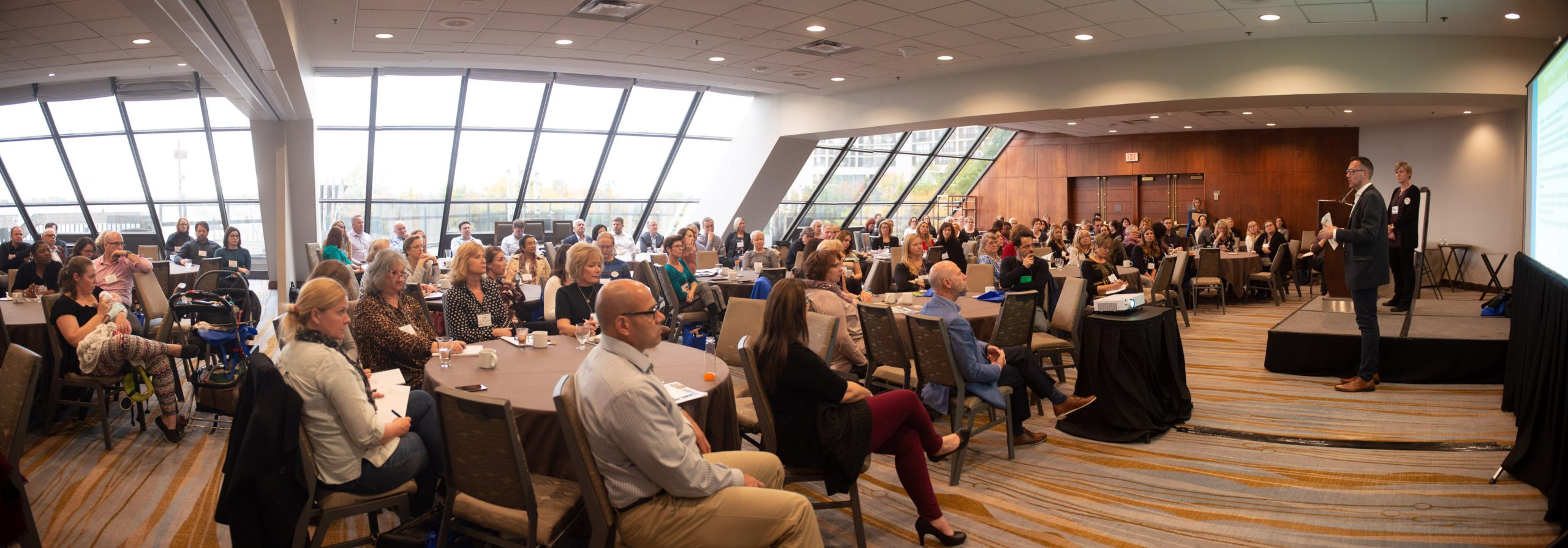
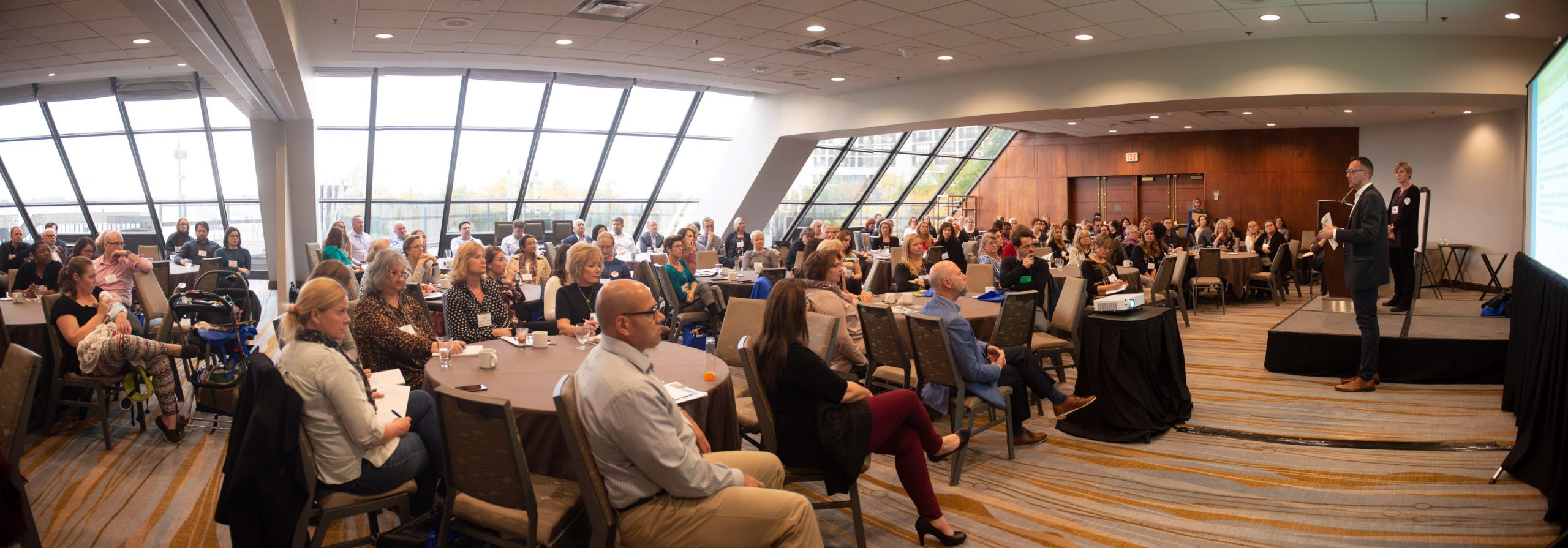
    2018 conference panorama

    What if that little program you’re quietly doing, reducing trips to the ER, relieving patients of unnecessary complications, could spread? It can, if you submit an abstract to present a concurrent session or poster in 6 core themes at the AFHTO 2019 Conference on September 19 & 20, 2019. Find out more here. Deadline Apr. 24, 2019.


    Webinars on governance, NPs & more- videos and slides
    If you missed recent webinars, slides, videos and other materials for the following are now available:


    Primary health care articles


    OHIP+ update
    The Ministry is hosting weekly webinars to provide an overview of the redesigned OHIP+ and to answer questions regarding changes to Ontario Drug Benefit program coverage for children and youth aged 24 years and under. The next webinar is on Wed. Apr. 3, 2019 from 12:15-1:00 pm.


    Save The Date – DC FHT RD Conference
    The 14th Annual Dietitians of Canada FHT RD Conference & RD Research Day will be held Oct. 17-18, 2019 in St. Catharine’s, ON. More details to come soon.


    Big White Wall and BounceBack: Free Psychotherapy Services for Adults And Youth With Mild To Moderate Depression And Anxiety, Apr. 4 & 11, 2019
    Attend this accredited webinar to learn more about these free mental health services. Register here.


    A Successful Nurse-Led Program in Primary Care for Patients with Chronic Pain, Apr. 18, 2019
    Learn about the feasible, evidence-based and cost-effective program based on self-management support for chronic non-cancer pain. Find out more here.


    Stroke and TIA Management Updated for Primary Care Providers in Windsor-Essex & Chatham Kent, May 1, 2019
    Join the afternoon session in Windsor to learn about updates to stroke and TIA management—aimed at NPs and physicians. Find out more here.


    NEDIC Body Image And Self-Esteem Conference, May 9-10, 2019
    Take part in NEDIC’s biennial body image and self esteem conference under the theme Radical Unlearning. Find out more here.

  • AFHTO 2019 Conference: submit your presentation & poster abstracts

    AFHTO 2019 Conference: submit your presentation & poster abstracts

    It’s time to show everyone what you can do.

    Present your ideas and initiatives at the AFHTO 2019 Conference:
           
    Health System Integration Built
    on the Foundation of Team-Based Primary Health Care

    Beautiful green tree with many-branching roots

    ‘Integration’ may be the word of the day, but primary care teams already embody it. Interprofessional comprehensive care creates a patient medical home that is the foundation for a high-performing health care system.

    With The People’s Health Care Act, and the introduction of Ontario Health Teams, team-based primary health care needs to demonstrate how much we truly provide patient-centred care. To do this we need to ask…what if?

    What if that little program you’re quietly doing, reducing trips to the ER, relieving patients of unnecessary complications, could spread?
    What if your peers in other small towns could learn more from your trial and error and go straight to better outcomes? What if this happened all across Ontario?


    It can, if you submit an abstract to present a concurrent session or poster in 6 core themes at the AFHTO 2019 Conference on September 19 & 20, 2019.

    AFHTO 2018 panorama

    The deadline to submit abstracts for concurrent sessions and posters is April 24, 2019 at 5:00 PM (EDT)

    Review submission guidelines

    Submit your abstract online

    Reduced registration fee for concurrent session presenters: For each approved concurrent session, up to 2 presenters will each be granted a $50 discount off the conference registration fee. Additional discounts apply for patients presenting at the conference. (Discount doesn’t apply for poster displays.)

    Conference key dates:

    • March 27, 2019          Applications for concurrent session and poster abstracts open
    • April 24, 2019             Deadline to submit concurrent session and poster abstract
    • June 2019                   Conference registration opens
    • Sep 19 & 20, 2019      AFHTO 2019 Conference

    Do you know anyone with interesting and innovative initiatives to share? Please forward this email to your colleagues, community partners and stakeholders to make sure everyone has an opportunity to present their initiatives.

    And don’t forget, the deadline to join a working group is now this Friday, March 29. Come behind the scene and become among the first to learn about new developments in the field, influence conference programming and discover the innovators in your areas of interest.

    For more information, you can contact us by phone (647-234-8605) or e-mail (info@afhto.ca).

  • Kincardine hospital outpatient lab services moving to Kincardine Family Health Team

    The Owen Sound Sun Times article published March 24, 2019

    By Rob GowanThe Owen Sound Sun Times

    The Kincardine hospital’s outpatient lab services will be moved to the Kincardine Family Health Team beginning on Thursday.

    Patients requiring blood work are being asked to attend the Hawthorne Community Clinic, which is located on the same property as the hospital. The move is part of the South Bruce Grey Health Centre’s Budget Recovery Action Plan, which was released in late January.

    Earlier this year, the SBGHC released the plan, designed to address a projected $1.9-million deficit, by moving some services between sites, shifting some testing to outside labs and some reduction in staff.

    The hospital does not receive funding for outpatient laboratory testing, so the decision was made to move the testing to the private community laboratory which is funded by the Ministry of Health and Long-Term Care. Laboratory testing for inpatients and emergency patients will remain in the hospital, it said in a news release from SBGHC.
    The change will allow laboratory staff to continue to collect samples from patients at the clinic, making for a relatively seamless transition for patients, the news release said.

    The collected samples will be sent to Life Labs for processing, allowing patients to access their own lab results online through Life Labs.

    Beginning Monday, outpatient collections will be available at the clinic 7:30 a.m. to 3 p.m. Monday to Friday, with hours extended to 3:30 p.m. after April 1.

    The Kincardine hospital is the first SBGHC site to make the transition, with transition dates for the Chesley, Durham and Walkerton hospital sites to be finalized in the coming weeks, the news release said.

    Click here to access The Owen Sound Sun Times article

  • Bits & Pieces: primary care leaders in health system restructuring, financial webinars & more

    Bits & Pieces: primary care leaders in health system restructuring, financial webinars & more

    Your Weekly News & Updates


    In this Issue:  
    • Primary care leaders in health system restructuring
    • Lots of MPPs and lots of meetings!
    • AFHTO 2019 working groups deadline now Mar. 29
    • Financial webinars starting Apr. 17
    • Caregiver support modules
    • Ministry updates including Erythromycin ophthalmic ointment shortage
    • Upcoming events regarding risk management and more

    Primary care leaders in health system restructuring
    There’s a lot of uncertainty about the changes coming to the health care system, and the role primary care teams could play in the restructuring. The expressions of interest for the first wave of Ontario Health Teams is expected soon, with likely a small number selected to start. Local conversations will continue, and teams can be collaborating with providers in their regions about the importance of team-based primary care in Ontario Health Teams. There is an opportunity for teams to be leaders.

    AFHTO will continue to keep teams updated through our website and our weekly newsletter. Please also register for the webinar with H&K Strategies on April 2 at noon to discuss what things look like at this time, expected timelines, and how teams can be leaders in system reform.


    Lots of MPPs and lots of meetings!

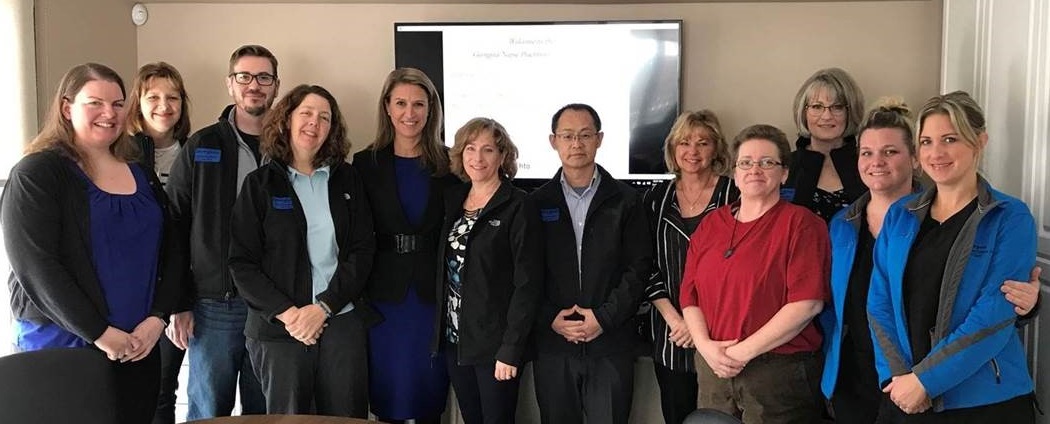
    Georgina NPLC with Caroline Mulroney
    <em>AFHTO president and board chair Beth Cowper-Fung, her team and a patient at the Georgina NPLC recently met with their MPP, the Hon. Caroline Mulroney</em>

    Teams continue to meet with their MPPs to share the value of team-based primary care in the community and the importance of it being key in the development of all Ontario Health Teams. Check out tools and key messages to communicate here.


    AFHTO 2019 working groups deadline now Mar. 29AFHTO conference hallway meeting

    The deadline to join a working group is now this Friday, Mar. 29. Pick the sessions your peers will see at our 2019 conference, Health System Integration Built on the Foundation of Team-Based Primary Health Care, and get a $50 discount off your registration fee. Deadline Mar. 29, 2019.


    Financial webinars starting Apr. 17
    AFHTO will be hosting a financial webinar series starting April 17, 2019. These webinars will be presented by the financial experts at Grant Thornton LLP and are open to:

    • Board members who may be interested in learning more about their fiduciary responsibilities related to financial management of their primary care organization
    • Physicians and Nurse Practitioners in leadership positions and who are also board members
    • Clinic Directors and Executive Directors who want a refresher or update on current trends in financial and risk management
    • Admin Leads and Finance Managers who want to stay on top of current trends in financial and risk management

    As Ontario’s primary health care system undergoes transformation, AFHTO members are being positioned through these financial webinars to continue to efficiently manage their primary care organizations. You can register for all six webinars or opt to select only topics of interest. All webinars will be recorded and made available to registered participants.


    Caregiver support modules
    Hospice Palliative Care Ontario has launched a comprehensive set of Caregiver Modules to provide informal caregivers with support, resources, and information they need. Topics include learning how to deal with their own emotions, learning how to make tough decisions, and being able to meet the appropriate physical, spiritual and cultural needs for the individual they’re taking care of.

    Anyone wishing to access the modules can do so by visiting the webpage, downloading the PDFs, or even listening along to the transcribed audio clips. The modules are free to access and available in English, French and First Nations.


    Ministry updates

    Erythromycin ophthalmic ointment shortage: memo from the Chief Medical Officer of Health is now available, along with relevant documentation.

    OHIP+: The Ministry is hosting weekly webinars to provide an overview of the redesigned OHIP+ and to answer questions regarding changes to Ontario Drug Benefit program coverage for children and youth aged 24 years and under. The next webinar is on Wed. March 27, 2019 from 12:15-1:00 pm.


    Governance Webcast Series: Risk Management, Mar. 27, 2019
    Join us to discuss risk management and the board’s role and leading practices in this. Register here.


    Big White Wall and BounceBack: Free Psychotherapy Services for Adults And Youth With Mild To Moderate Depression And Anxiety, Apr. 4 & 11, 2019
    Attend this accredited webinar to learn more about these free mental health services. Register here.


    A Successful Nurse-Led Program in Primary Care for Patients with Chronic Pain, Apr. 18, 2019
    Learn about the feasible, evidence-based and cost-effective program based on self-management support for chronic non-cancer pain. Find out more here.


    Stroke and TIA Management Updated for Primary Care Providers in Windsor-Essex & Chatham Kent, May 1, 2019
    Join the afternoon session in Windsor to learn about updates to stroke and TIA management—aimed at NPs and physicians. Find out more here.

  • How primary care is a prescription for healing hallway medicine

    The Toronto Star article published on Monday, March 25, 2019

    By Andrew Boozary, Michael Kidd & Aisha Lofters


    Medicine’s history is tied to the pursuit of a fix. If someone is ailing, they may seek to feel better, but almost always prefer a cure. And maybe now, more than ever, we all expect that cure to happen immediately.

    Our health system was designed to combat sickness, mostly in the hospital setting, and not to prevent sickness or support the relationships needed to thrive outside a clinic. This has built up serious pressure, and in some ways, this has always been primary care’s major challenge — our first point of contact with a family doctor, nurse practitioner or any other primary care provider, is grounded in treating an array of conditions, from back pain to dizziness, while also having to manage our long-term risks. Much of this work involves screening patients for things like high blood pressure or cancer, where the consequences of inaction may feel invisible.

    And the wins of primary care aren’t usually silver bullets or swift procedures, either. They might involve creating safe spaces and having tough conversations to better get at behaviour change. Or catching a worrying pattern of lab results early on to avoid a worse health outcome.

    Yet, in this era of Big Data that seeks tangible performance metrics, how do we measure things like the benefits of a relationship between a family doctor and patient? Or even begin to capture primary care’s secret ingredient: trust?

    There is a growing body of evidence that primary care can do a lot of good. Take for instance the idea of developing a lasting relationship with your primary care provider over time. It’s something the health care industry calls continuity — being able to see the same primary care provider regularly and hopefully build a deeper understanding of your individual health risks and needs.

    A recent study in the British Medical Journal showed that patients who were more closely followed by the same family physician fared better on serious matters, such as having to return to the hospital and the chance of dying altogether.

    Another study in JAMA, showed that regions with a greater number of primary care physicians were associated with lower death rates overall. In fact, areas that saw a specific increase in primary care doctors demonstrated greater population health benefits for diseases related to the heart or cancer.

    And why might this be? Interestingly enough — another study in the same medical journal this year — found that patients attached to a primary care provider were more likely to receive high value care and report better care experiences than those patients going without.

    This evidence from other jurisdictions can help us sharpen our focus here at home on potential solutions. But there are a few concerns that warrant close attention.

    Just this past year, a significant number of family medicine resident spots in Ontario went unmatched. Whether this is a harbinger for waning interest in the profession or just a blip is hard to say. However, dedicated investment in training a sufficient number of family doctors is much needed, while also ensuring they are able to serve communities in multidisciplinary settings. Simply put: high functioning primary care happens in teams. And they should look to integrate the needs of a community in whichever way possible to best deliver care.

    This coming week should see the launch of Ontario Health Teams — a proposal by the provincial government to integrate care for designated populations. As the details unfold, this direction could help bolster primary care as the bedrock of a high performing health system.

    Integration — whatever it is defined as — must be experienced by the patient. Nobody wants to feel like they’re falling through the cracks, especially when sick. Such a future could mean better co-ordinating care across a range of specialties, or even connecting patients to a bundle of social services involving food security or safe housing to ensure a healthier population.

    Currently, some of our sickest and most socially disadvantaged patients are not getting access to the benefits of team-based primary care. With a renewed population focus for Ontario Health Teams, innovative payment models that align social needs with high quality primary care could help bridge some of the gaps in our current system.

    The solution to Ontario’s hallway medicine will not be simple or quick, but may require the same hallmarks of good primary care — an upstream focus and incremental wins.


    Dr. Andrew Boozary (@drandrewb) is a family physician and assistant professor of policy innovation at the University of Toronto. Dr. Michael Kidd (@MichaelKidd5) is a family physician and the chair of the department of family and community medicine at the University of Toronto. Dr. Aisha Lofters (@AKLofters) is a family physician and clinician scientist at the University of Toronto department of family and community medicine.

    Click here to access The Toronto Star article

  • An Opportunity for Quality: The Need for Better Evaluation of Ontario FHTs

    An Opportunity for Quality: The Need for Better Evaluation of Family Health Teams in Ontario

    Article in Healthcare Quarterly 21(4) January 2019 : 28-31.doi:10.12927/hcq.2019.25744

    Special Focus on Building Effective Primary Care Systems

    Abstract

    In the past decade, primary care has undergone significant changes toward system improvement, which has improved patient outcomes and reduced costs. Family health teams (FHTs) were introduced in Ontario as part of primary care renewal. FHTs address a lack of capacity and integration among providers and service inaccessibility experienced by the population. We explore, the potential for positive impact of FHTs and the lack of built-in evaluation strategies to assess performance. We provide four suggestions to better support rigorous evaluation of FHTs. This commentary considers Ontario’s efforts to improve capacity, quality and evaluation in primary care through FHTs.

    Authors

    • Shannon L. Sibbald, PhD, Assistant Professor, Western University
    • Keri Selkirk, MBA, Centre for Organizational Effectiveness
    • Avinash Cherla
    • Vaidehi Misra, Faculty of Health Sciences, Western University

    Full article pdf here.


  • Erythromycin Ophthalmic Ointment Shortage Update

    Memo from Chief Medical Officer of Health

    Mar 19, 2019

    TO: Medical Officers of Health
    RE: Erythromycin ophthalmic ointment shortage

    We would like to take the opportunity to provide a further update to share new information regarding the ongoing national shortage of erythromycin ophthalmic ointment, indicated for the prophylaxis of ophthalmia neonatorum.

    We are aware that limited supply has returned to the market in February and March, with reported estimated end dates in March and April. We will keep monitoring the supply and will provide updates as they become available. Please continue to work with your LHIN Drug Shortages Lead for further information and to support reallocation requests.

    Based on this ongoing shortage we continue to urge hospitals to conserve and prioritize access to the highest risk cases (i.e. high risk sexual behaviour, partner with STI, is homeless/under housed, has new or multiple sexual partners or partner does, and/or no prenatal care).

    The Ministry of Health and Long-Term Care (MOHLTC) has engaged the Provincial Council for Child and Maternal Health (PCMCH) to leverage their expertise on provincial supports for the shortage. To this end, with involvement from the ministry, PCMCH’s Maternal-Neonatal Committee and London Health Sciences Centre have developed algorithms for screening and response to lab results in order to support local decision making.

    It should be noted that PCMCH advises at this time that there is no recommended safe alternative medication to be used prophylactically for newborns instead of erythromycin. Therefore, it is recommended that the supply of erythromycin be monitored closely, and if adequate supplies are not available, administration be based on the attending health care professional’s assessment of the situation. Attached to this letter are the algorithms that attending health care professionals may wish to take into consideration in making their assessments. They can also be downloaded from PCMCH’s website at the following link: http://www.pcmch.on.ca/erythromycin-ophthalmic-ointment/

    Additionally, in order to support newborn primary care, facilities should include a note in the newborn health record that is provided to parents indicating whether erythromycin ophthalmic ointment was administered. Parents and all neonatal healthcare providers should also be made aware of the symptoms of ophthalmia neonatorum and advised to monitor for these symptoms within the first four weeks of life and to seek medical treatment at any signs of infection.

    The ministry will provide updates as further information becomes available. We would also like to remind all healthcare professionals that once the supply of erythromycin is returned to normal stock levels, routine administration of the ophthalmic prophylaxis to the eyes of newborns should continue as required under Regulation 557 Communicable Diseases – General under the Health Promotion and Protection Act.

    We request that you share the information in this memo with hospitals and other health system partners (e.g. primary and emergency care; midwives) in your jurisdiction.

    Thank you for your assistance.
    David C. Williams, MD, MHSc, FRCPC
    Chief Medical Officer of Health

    c: Roxana Sultan, Executive Director, PCMCH

    Relevant Documents

    public://2019-03/1. Screening Algorithm – shortage of erythromycin 2019March14.pdf

    public://2019-03/2 Response to Lab Algorithm-shortage of erythromycin 2019March14.pdf

    public://2019-03/CMOH Memo Erythro Shortage.pdf

  • Data to Decisions eBulletin #85: Building Together Synopsis

    Data to Decisions eBulletin #85: Building Together Synopsis

    In this issue

    • Building Together: How to become a high-performing team Workshop Synopsis

    Building Together: How to become a high-performing team Workshop Synopsis

    On March 6th and 8th, 2019, 51 healthcare professionals working in primary care teams across Ontario came together in Ottawa and Toronto for the Building Together: How to become a high performing team workshop.

    Dr. Judith Belle Brown led the plenary session through an exploration of the foundational elements that teams are built on. These elements include having a common philosophy toward teamwork, strong relationships, open communication, and a shared commitment to good patient care. Dr. Brown also discussed the evolution of primary care teams throughout her research journey, as well as the preliminary results from the QI Enablers Study.

    Wisdom from the Field: Participants share ideas they plan on trying with their team.

    Throughout the day, participants learned about three pillars of teamwork identified from the QI Enablers Study that contribute to interdisciplinary collaborative teamwork in primary care. These pillars include leadership, team building and optimizing physical space. During these small group sessions, participants were able to brainstorm ideas on how they can strengthen these pillars within their teams. At the end of the day, individuals were able to vote on their favourite ideas they plan on bringing back to their teams.

    Leadership

    In small groups, participants were asked to answer the following questions:

    • What opportunities are there in your team to take part in leadership activities?
    • How can your team create opportunities for leadership?
    • How can your team share leadership within your team?
    • How can your team support leadership?

    Click here for the list of top ideas participants voted on to take back to their own teams.


    Team Building

    In small groups, participants were asked to answer the following questions:

    • What informal activities happen in your team?
    • Who leads them?
    • How do they make it happen?
    • What would it take for your team to have regular team meetings (e.g., time, location, who is involved)?
    • How can your team increase awareness of your team members’ scope of practices (through formal and informal activities)?

    Click here for the list of top ideas participants voted on to take back to their own teams.


    Optimizing physical space

    In small groups, participants were asked to answer the following questions:

    • What are the innovative strategies you have used to address issues with physical space?
    • Successful
    • Unsuccessful
    • What effective relationship building activities have you used to optimize your physical space?

    Click here for the list of top ideas participants voted on to take back to their own teams.

    More ideas from the small group sessions

    More ideas for Leadership

    More ideas for Team Building

    More ideas for Optimizing Physical Space

    We would like to thank everyone who came out to the sessions. If you have any questions or comments regarding the session or its content, please contact improve@afhto.ca.

    Thank you to our supporting partner
    We are grateful to our research partners at the Centre for Studies in Family Medicine, Western University, through the INSPIRE2-PHC program funded by the Ontario Ministry of Health and Long-Term Care. Our partners have provided practical support for the research and funding for the workshops.

    shulich logo


    In Case You Missed It: Check out eBulletin #84 or other back issues here!

    Questions? Comments? Connect with the QIDS team at improve@afhto.ca.

  • Bits & Pieces: Restructuring of the Health Care System webinar, Nutrition month & more

    Bits & Pieces: Restructuring of the Health Care System webinar, Nutrition month & more

    Your Weekly News & Updates


    In this Issue:  
    • Restructuring of the Health Care System: What You Need to Know
    • March is Nutrition Month!  
    • Reminder – AFHTO 2019 Conference call for working groups deadline Mar. 26
    • OHA board self-assessment tool
    • Health Quality Ontario updates
    • Reminder – deadline to sign up for Harvard ManageMentor Mar. 25
    • OHIP+ updates
    • Upcoming events such as a Collaborative Mentoring Network conference and more

    Restructuring of the Health Care System: What You Need to Know
    The health care system is undergoing a major structural overhaul. The People’s Health Care Act was introduced on February 28, the Ontario Health board of directors was announced on March 8, and the first Expression of Interest for Ontario Health Teams is expected soon.

    Join AFHTO and Hill+Knowlton Strategies on Tuesday, April 2, from 12 PM to 1:30 PM to discuss what this may look like, expected timelines, and how teams can be leaders in health system restructuring.


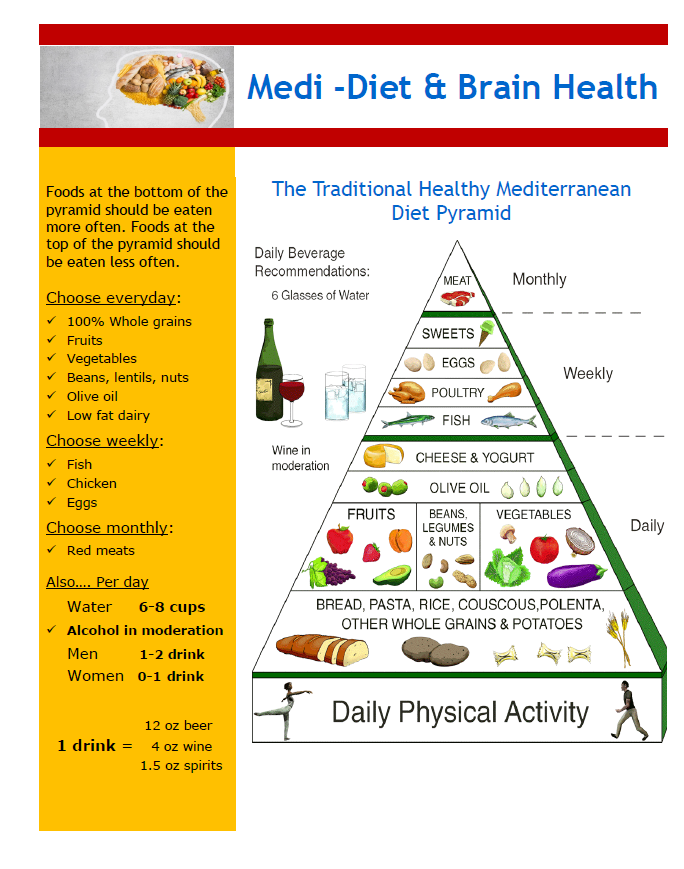
    March is Nutrition Month!  Medi Diet and Brain Health
    Please join our Registered Dietitians in celebrating the impact of good nutrition on our patients’ health outcomes. Primary health care dietitians provide medical nutrition therapy which can lower A1c by 1-2%, lower blood pressure as well as 1 medication.   

    The Mediterranean Diet gives evidence- based interventions. The recent SMILE and HELFIMED studies clearly demonstrate that the Medi Diet can also have a positive impact on mental health – depression. Please see the attached patient handout that highlights the link between Medi Diet and mental health.  

    There’s also a presentation created for waiting room monitors. Your Registered Dietitians are proud to serve our primary health care team patients!


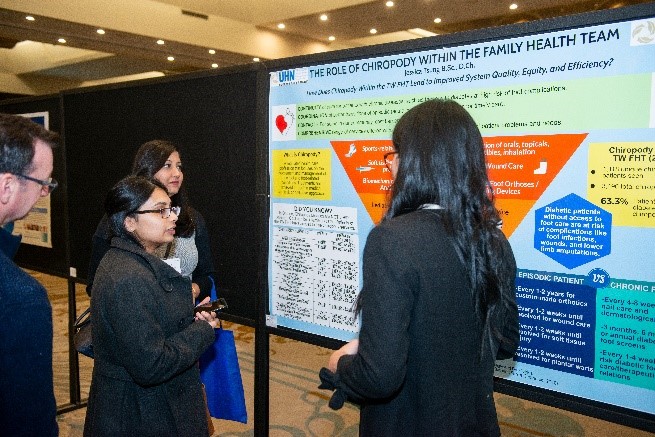
    2018 conference posterReminder – AFHTO 2019 Conference call for working groups deadline Mar. 26

    Get the scoop on the latest innovations in Ontario primary care. Join a working group today.

    We have officially launched our 2019 conference, Health System Integration Built on the Foundation of Team-Based Primary Health Care, and working group members also receive a $50 discount off their registration fee. Deadline Mar. 26, 2019.


    OHA board self-assessment tool
    Boards that self-assess can better identify the areas in which they are performing well as a board, areas for improvement and areas of concern. The Ontario Hospital Association is once again offering the Board Self-Assessment Tool, an online, questionnaire which must be completed by each board member individually. Free to OHA members, it’s available until June 4, 2019.


    Health Quality Ontario updates

    New quality standards:

    Health technology assessments:


    Reminder – deadline to sign up for Harvard ManageMentor Mar. 25
    Recently we had a lunch and learn session hosted in partnership with Harvard ManageMentor. The video is now on our members only site.

    For demo access:
    •    url:  http://courses.edls.com/login/dames_leads
    •    username: afhto_demo
    •    password: harvard (all lower case)

    If you have any questions about Harvard ManageMentor and/or Spark, please contact Candace Dames at cdames@edls.com or (647) 838 2555. If you’re interested in participating, please contact Bryn Hamilton, by March 25.


    OHIP+ updates
    The Ministry is hosting weekly webinars to provide an overview of the redesigned OHIP+ and to answer questions regarding changes to Ontario Drug Benefit program coverage for children and youth aged 24 years and under. The next webinar is on Wed. March 20, 2019 from 12:15-1:00 pm.
     
    Teleconference information will be available at this link 10 minutes prior to the start of the webinar. Please mute your phone by pressing *6 once you have dialed in. If you don’t have the latest version of Adobe installed on your device, please click on the link a few minutes early in the event you are prompted to update your software.

    Patient and pharmacist FAQs in English and French are also available on the Ministry’s website.


    Transforming Primary Care for Older Adults Living with Frailty, Mar 21, 2019
    Learn how to better care for older patients in this interactive webinar supported by the Canadian Frailty Network & AFHTO. Suitable for all team members. Register here.


    Governance Webcast Series: Risk Management, Mar. 27, 2019
    Join us to discuss risk management and the board’s role and leading practices in this. Register here.


    Leadership in Primary Care Collaborative Mentoring Network Conference, Mar. 25, 2019
    OCFP’s inaugural conference for the Leadership in Primary Care Collaborative Mentoring Network, ‘Connected Leadership for Greater Competence, Confidence and Capacity‘. Register here.


    A Successful Nurse-Led Program in Primary Care For Patients With Chronic Pain, Apr. 18, 2019
    Learn about the feasible, evidence-based and cost-effective program based on SMS. Held by the CNCP. Find out more here.


    Big White Wall and BounceBack: Free Psychotherapy Services For Adults And Youth With Mild To Moderate Depression And Anxiety, Apr. 4, 2019
    Attend this accredited webinar to learn more about these free mental health services. Register here.

  • Building Together: How to Become a High Performing Team – Post Workshop Synopsis

    Building Together: How to Become a High Performing Team – Post Workshop Synopsis

    Building Together: How to become a high performing Team

    Post Workshop Synopsis


    On March 6th and 8th, 2019, 51 healthcare professionals working in primary care teams across Ontario came together in Ottawa and Toronto for the Building Together: How to become a high performing team workshop. 

    Dr. Judith Belle Brown led the plenary session through an exploration of the foundational elements that teams are built on. These elements include having a common philosophy toward teamwork, strong relationships, open communication, and a shared commitment to good patient care. Dr. Brown also discussed the evolution of primary care teams throughout her research journey, as well as the preliminary results from the QI Enablers Study. 


    Wisdom from the Field: Participants share ideas they plan on trying with their team.

    Throughout the day, participants learned about three pillars of teamwork identified from the QI Enablers Study that contribute to interdisciplinary collaborative teamwork in primary care. These pillars include leadership, team building and optimizing physical space. During these small group sessions, participants were able to brainstorm ideas on how they can strengthen these pillars within their teams. At the end of the day, individuals were able to vote on their favourite ideas they plan on bringing back to their teams.


    Leadership

    In small groups, participants were asked to answer the following questions:

    1. What opportunities are there in your team to take part in leadership activities?
    2. How can your team create opportunities for leadership?
    3. How can your team share leadership within your team?
    4. How can your team support leadership?

    Click here for the list of top ideas participants voted on to take back to their own teams.

    Team Building

    In small groups, participants were asked to answer the following questions:

    1. What informal activities happen in your team?
    2. Who leads them?
    3. How they make it happen?
    4. What would it take for your team to have regular team meetings (e.g., time, location, who is involved)?
    5. How can your team increase awareness of your team members’ scope of practices (through formal and informal activities)?

    Click here for the list of top ideas participants voted on to take back to their own teams.


    Optimizing Physical Space

    In small groups, participants were asked to answer the following questions:

    1. What are the innovative strategies you have used to address issues with physical space?  
    2. Which were successful?
    3. Which were unsuccessful?
    4. What effective relationship building activities have you used to optimize your physical space?

    Click here for the list of top ideas participants voted on to take back to their own teams.


    More ideas from the small group sessions

    We would like to thank everyone who came out to the sessions. If you have any questions or comments regarding the session or its content, please contact improve@afhto.ca.


    Thank you to our supporting partner

    shulich and western logoWe are grateful to our research partners at the Centre for Studies in Family Medicine, Western University, through the INSPIRE2-PHC program funded by the Ontario Ministry of Health and Long-Term Care. Our partners have provided practical support for the research and funding for the workshops.


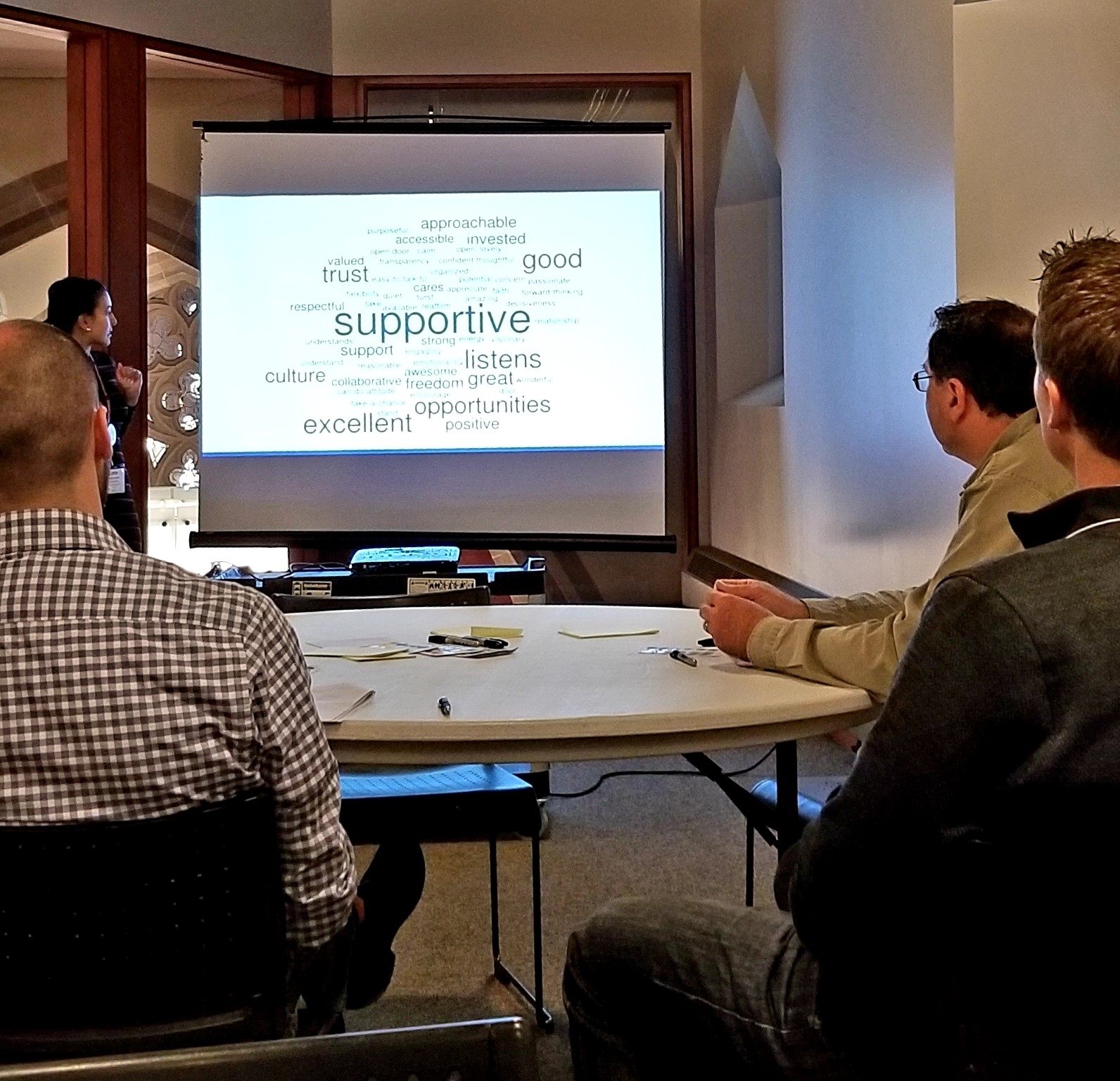
    leadership small-group session word cloud